

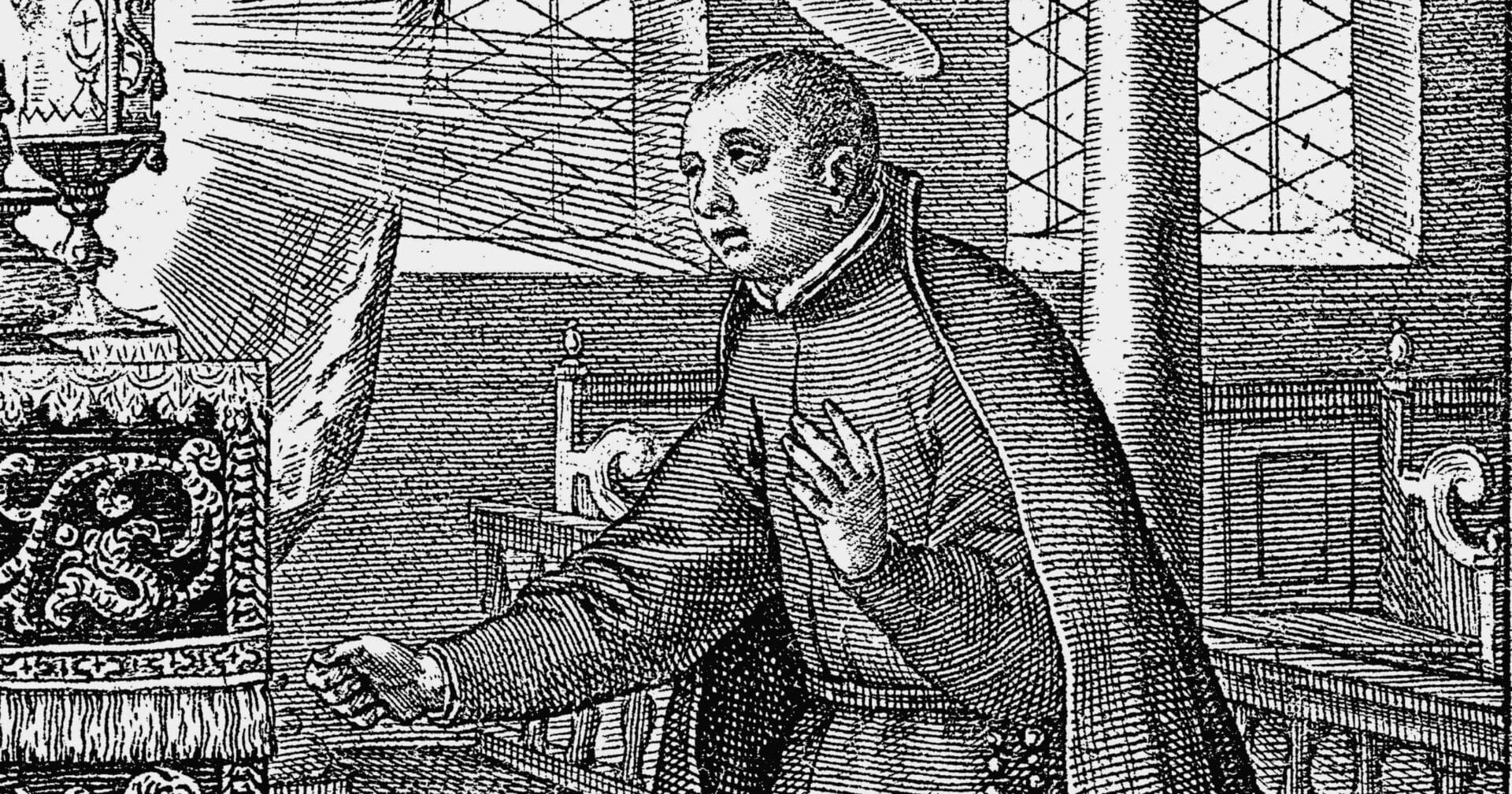
Saint Stanislaus, born in 1030, received his education in Gnesen and Paris. Following his ordination, he joined the cathedral at Cracow as a canon, archdeacon, and preacher. After the Cracow bishop’s death, Pope Alexander II appointed him as the diocese’s bishop.
During his tenure, King Boleslaus II aimed to consolidate his rule, leading a contentious expedition against Kiev. This action alienated many nobles, including the king’s brother, Ladislaus. Stanislaus stood with these dissenting nobles, clashing with the king.
Previously, Stanislaus had confronted Boleslaus over his abduction of a nobleman’s wife, warning of excommunication for his misconduct. The king vowed vengeance against the bishop. Aligning with the nobles against the king’s governance only intensified accusations of treachery from Boleslaus, culminating in a death sentence for Stanislaus.
Attempts by the king’s soldiers to execute the bishop during Mass at St. Michael’s chapel in Cracow failed due to their reluctance to invoke divine punishment. Boleslaus, undaunted, personally murdered the bishop in the church and ordered the dismemberment of his body.
Pope Gregory VII responded by placing Poland under interdict. Boleslaus was dethroned, fleeing to a Hungarian monastery in Osiak for penance. Pope Innocent IV canonized Stanislaus in 1253, solidifying his status as one of Poland’s patron saints.
Photo credit: Morphart Creation / Shutterstock.com
The post Saint Stanislaus appeared first on uCatholic.
Daily Reading

Saturday of the Twenty-sixth Week in Ordinary Time
Reading 1 Job 42:1-3, 5-6, 12-17 Job answered the LORD and said: I know that you can do all things,and that no purpose of yours can be hindered.I have dealt…
Daily Meditation
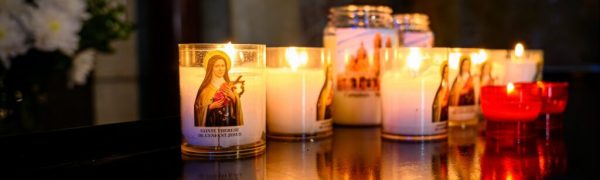
Choosing Littleness in a World of Greatness
Listen to this reflection in EnglishEscuchar esta reflexión en español Click here for daily readings The idea of being the least in today’s Gospel is difficult for me. Our society appears…