
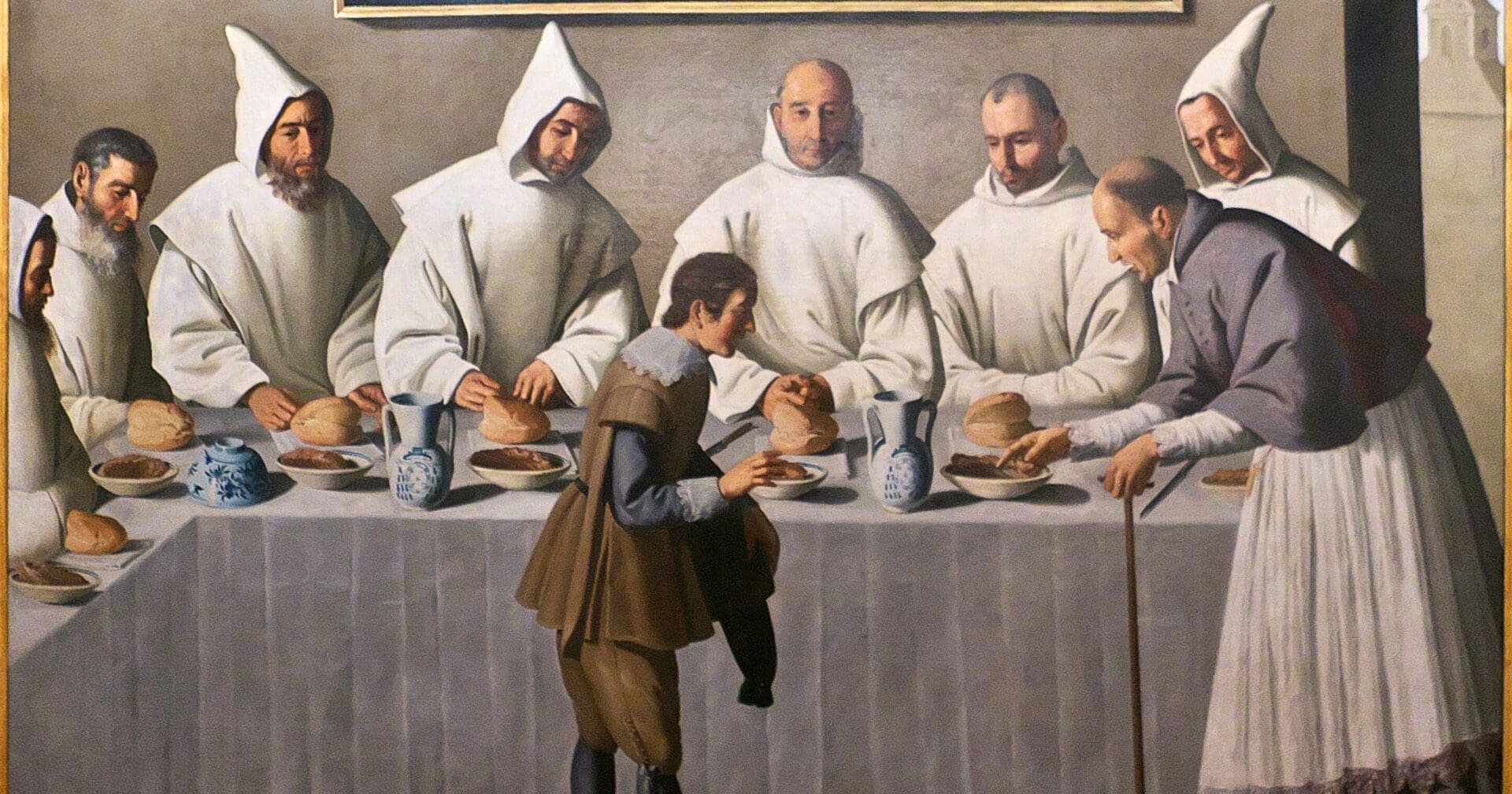
Hugh of Grenoble, bishop from 1052 to 1132, found himself navigating a minefield of corruption upon assuming his role. The ecclesiastical landscape was marred by the sale of Church offices, disregard for clerical celibacy, secular appropriation of Church assets, and widespread religious apathy or ignorance. Barely two years into his bishopric, Hugh sought refuge in monastic life, only to be summoned back by the pope to spearhead reform.
It’s perhaps his deep Church devotion and formidable resolve that rendered Hugh an effective reformist. He stood unwavering in disputes pitting Church against state, staunchly backing the papacy. Hugh’s preaching was marked by eloquence. He undertook the restoration of his cathedral, initiated urban enhancements in his diocese, and endured a period of exile with grace.
Hugh’s legacy is notably linked to his support of St. Bruno and the founding of the Carthusian Order.
Passing in 1132, Hugh’s sainthood was affirmed by canonization merely two years posthumously.
Photo credit: Public Domain via Wikimedia Commons

The post Saint Hugh of Grenoble appeared first on uCatholic.
Daily Reading

Friday of the Twenty-ninth Week in Ordinary Time
Reading 1 Ephesians 4:1-6 Brothers and sisters:I, a prisoner for the Lord,urge you to live in a manner worthy of the call you have received,with all humility and gentleness, with…
Daily Meditation

The Signs of Today
Listen to this reflection in EnglishEscuchar esta reflexión en español Click here for daily readings As soon as I begin lacing up my sneakers, my dog trots over to my…