
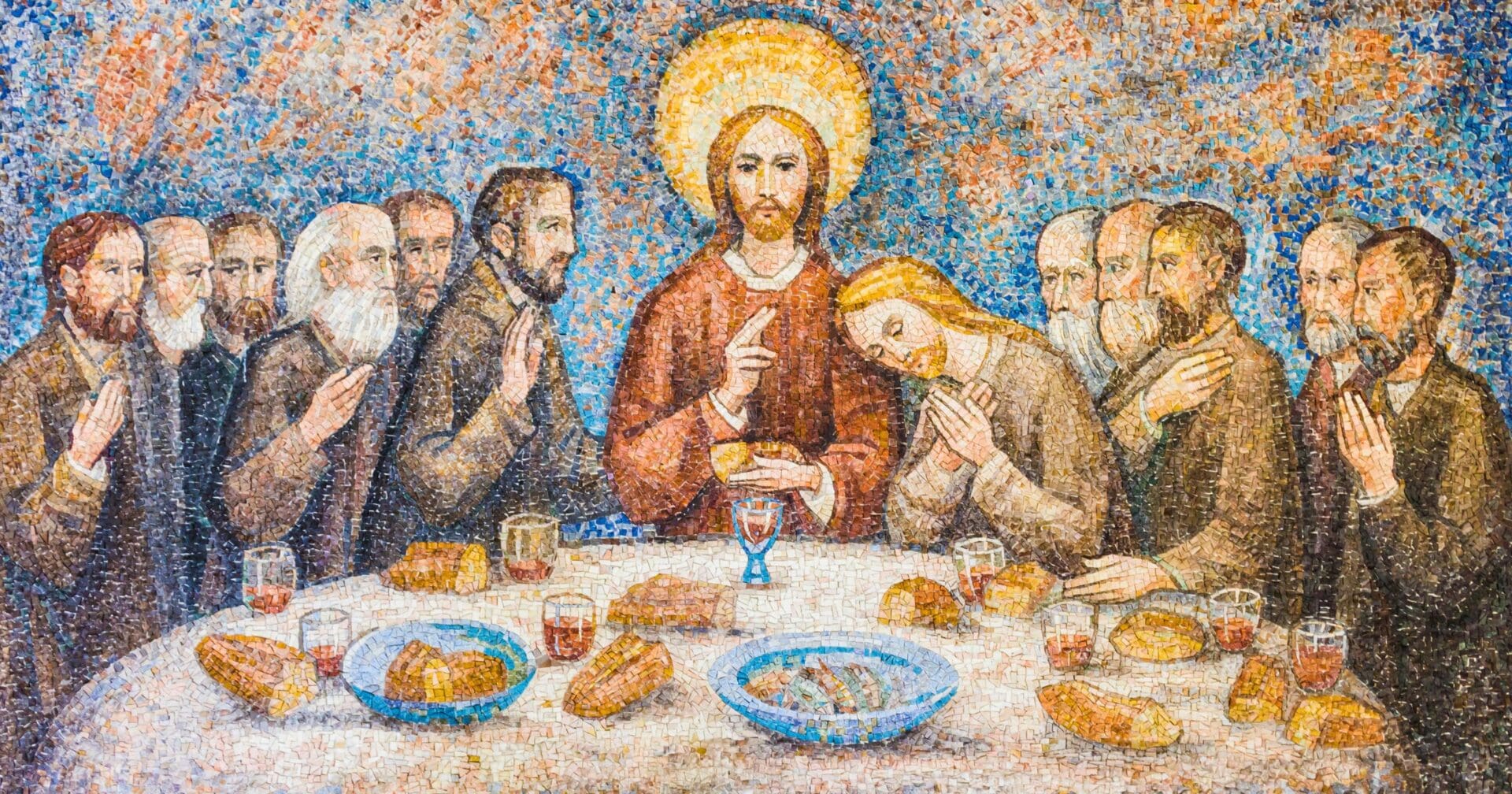
Maundy Thursday, a pivotal day in Holy Week, marks the Eucharist’s origin, standing as Holy Week’s most ancient ritual. In Rome, this day gained additional rites: the holy oils’ consecration and penitents’ reconciliation, practices tied to Easter’s imminent arrival and the need for spiritual readiness.
Liturgical unity is a hallmark of Maundy Thursday. It celebrates the Liturgy’s institution on this day, with the Chrism Mass and penitents’ reconciliation emphasizing preparation for Easter. Rome observed these ceremonies by day, contrasting with Africa, where Eucharist observances mirrored the Last Supper’s timing, occurring post-dinner.
The Council of Carthage’s Canon 24 exempts believers from fasting pre-communion on this day, linking the custom to the traditional pre-communion bath, seen as incompatible with fasting. Augustine mentions this, noting the day’s dual Eucharist offerings to accommodate fasters and non-fasters alike.
Maundy Thursday unfolds through joyous rituals: neophytes’ baptism, penitents’ reconciliation, holy oils’ consecration, feet washing, and the Eucharist commemoration. These varied ceremonies give the day its many names, each reflecting a specific solemnity.
Catechumens, before baptism, would recite the creed, a practice known as Redditio symboli. The feet washing (Pedilavium), traced to ancient rites, symbolized humility and service, occurring in many churches on this day.
The Exomologesis, or reconciliation of penitents, involved absolution from sins, a ritual rooted in Rome’s early Christian practices, as evidenced by Pope Innocent I’s correspondence.
The Olei exorcizati confectio ceremony involved consecrating the chrism for baptizing the newly initiated, a tradition established by the fifth century and documented across various liturgical texts.
The Anniversarium Eucharistiae shifted over time from a nocturnal to a morning celebration, responding to evolving liturgical preferences and culminating in the Missa praesanctificatorum, where a portion of the sacrament was reserved for the following day.
Maundy Thursday also sees the halting of bell ringing, the stripping of the altar post-vespers, and the observance of Tenebræ, the night office, marking the day’s end.
Editorial credit: Macthia / Shutterstock.com
The post Holy Thursday appeared first on uCatholic.
Daily Reading

Friday of the Twenty-ninth Week in Ordinary Time
Reading 1 Ephesians 4:1-6 Brothers and sisters:I, a prisoner for the Lord,urge you to live in a manner worthy of the call you have received,with all humility and gentleness, with…
Daily Meditation

More Than Many Sparrows
Listen to this reflection in EnglishEscuchar esta reflexión en español Click here for daily readings Today is the feast of St. Margaret Mary Alacoque, the French Visitation nun who brought…