
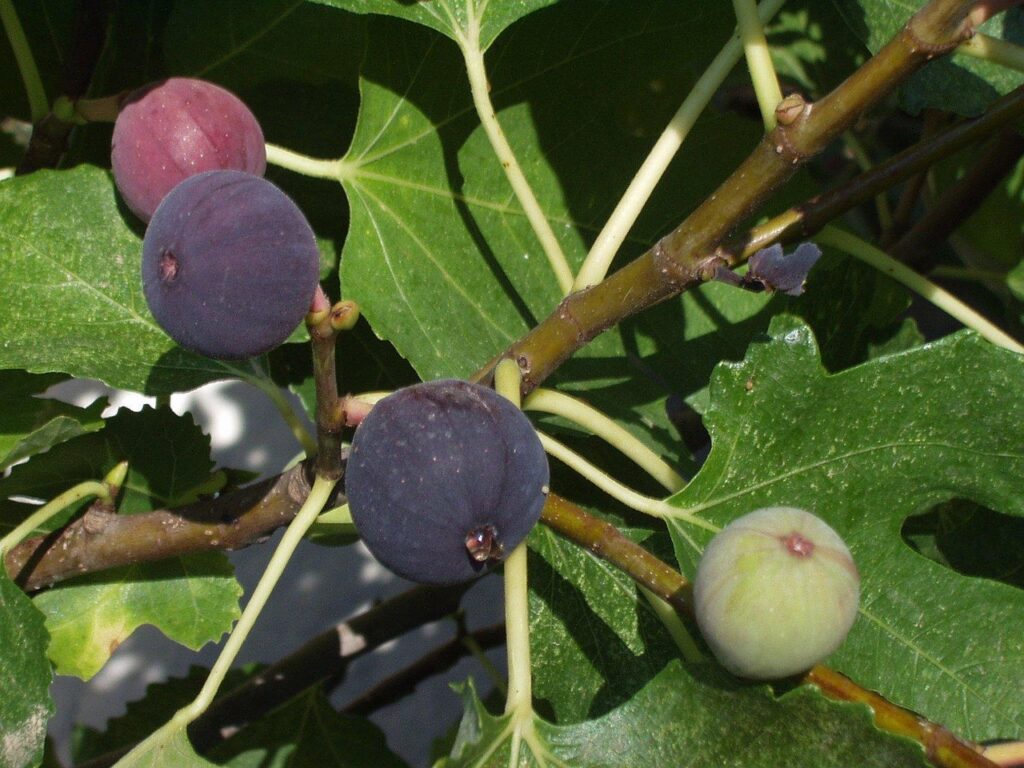
Now that we have celebrated Pentecost and it’s time for us to go out and spread the Good News, we come to today’s readings, and there’s a lot going on. But right here at the start, we need to make one thing clear: Jesus does not hate fig trees.
That fig tree on the way from Bethany to Jerusalem has the fortune — or misfortune, depending on how you look at it — of being a symbol. In today’s Gospel, Mark uses this incident in the way that many Old Testament prophets used the symbol of a barren fig tree to show Israel’s lack of faith. Jesus does the same, foreshadowing what He’s about to do in the temple area. When He arrived, “he began to drive out those selling and buying there.”
Then Jesus taught them by quoting Scripture: “Is it not written: My house shall be called a house of prayer for all peoples? But you have made it a den of thieves.”
He taught them, and He teaches us. A house of prayer is a place where we bring the faith we have and we ask God to help us increase that faith. Asking God for faith is far different than offering up doves for sale to sacrifice. Those outward sacrificial signs are meaningless if there’s no faith within us to support them. And so it is with that fig tree. It may be full of leaves, but the lack of figs means there’s nothing within it to produce good fruit.
Jesus goes on to teach them again when the disciples see the now-withered fig tree. “Have faith in God.” It’s simple, straightforward, to the point. True faith will help you move mountains. True faith will help you receive what you need through prayer. True faith will help you forgive, and thus also be forgiven.
Then, as Peter tells us in the first reading, true faith allows us to be serious, sober-minded and intensely loving of others. True faith allows us to be good stewards of God’s varied grace, allowing us to serve with the strength that God provides, far more fruitful than that cursed fig tree.
The point of our faith, as Peter tells us, is that God be glorified in all things through Jesus Christ, so that, when the end of all things is truly at hand for us, His glory is revealed to us and we may rejoice exultantly. Let’s get going!
Ahora que hemos celebrado Pentecostés y es hora de salir a difundir la Buena Nueva, llegamos a las lecturas de hoy, y hay mucho que considerar. Pero desde el principio, debemos dejar algo claro: Jesús no odia las higueras.
Esa higuera en el camino de Betania a Jerusalén tiene la fortuna —o la desgracia, según cómo se mire— de ser un símbolo. En el Evangelio de hoy, Marcos utiliza este incidente de la misma manera que muchos profetas del Antiguo Testamento usaron el símbolo de una higuera estéril para mostrar la falta de fe de Israel. Jesús hace lo mismo, prefigurando lo que está a punto de hacer en el templo. Cuando llegó, “se puso a arrojar de ahí a los que vendían y compraban”.
Luego Jesús les enseñó citando las Escrituras: “¿Acaso no está escrito: Mi casa será casa de oración para todos los pueblos? Pero ustedes la han convertido en una cueva de ladrones”.
Él les enseñó, y nos enseña a nosotros. Una casa de oración es un lugar donde llevamos la fe que tenemos y le pedimos a Dios que nos ayude a aumentarla. Pedirle a Dios fe es muy diferente a ofrecer palomas en venta para el sacrificio. Esos signos externos de sacrificio carecen de sentido si no hay fe en nuestro interior que los sustente. Y lo mismo ocurre con esa higuera. Puede estar llena de hojas, pero la falta de higos significa que no hay nada en ella que produzca buen fruto.
Jesús continúa enseñándoles de nuevo cuando los discípulos ven la higuera ya marchita. “Tengan fe en Dios”. Es simple, directo, al grano. La verdadera fe te ayudará a mover montañas. La verdadera fe te ayudará a recibir lo que necesitas a través de la oración. La verdadera fe te ayudará a perdonar y, por lo tanto, a ser perdonado.
Luego, como nos dice Pedro en la primera lectura, la verdadera fe nos permite ser serios, sensatos y amar intensamente a los demás. La verdadera fe nos permite ser buenos administradores de la gracia multiforme de Dios, permitiéndonos servir con la fuerza que Dios nos proporciona, mucho más fructíferos que aquella higuera maldita.
Como nos dice Pedro, el propósito de nuestra fe es que Dios sea glorificado en todas las cosas por medio de Jesucristo, para que, cuando el fin de todas las cosas esté verdaderamente cerca para nosotros, su gloria se nos revele y podamos regocijarnos con gran alegría. ¡Manos a la obra!
 Mike Karpus is a regular guy. He grew up in Michigan’s Upper Peninsula, graduated from Michigan State University and works as an editor. He is married to a retired Catholic school principal, raised two daughters who became Catholic school teachers at points in their careers, and now relishes his three young grandchildren. He serves on a Catholic school board and has served on pastoral councils, a building committee and a parish stewardship committee. He currently is a lector at Mass, a Knight of Columbus, vice president of a memorial scholarship committee and a board member of the local Habitat for Humanity organization. But mostly he’s a regular guy.
Feature Image Credit: Simon, pixabay.com/photos/figs-fig-tree-fruit-purple-751/
The views and opinions expressed in the Inspiration Daily blog are solely those of the original authors and contributors. These views and opinions do not necessarily represent those of Diocesan, the Diocesan staff, or other contributors to this blog.
Daily Reading

Friday of the Eighth Week in Ordinary Time
Reading 1 1 Peter 4:7-13 Beloved:The end of all things is at hand.Therefore be serious and sober-mindedso that you will be able to pray.Above all, let your love for one…
Saint of the Day
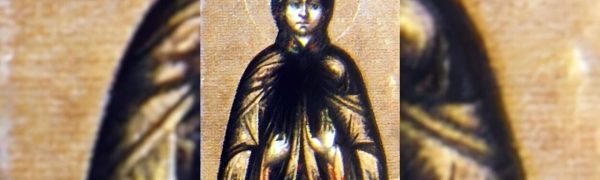
Saint Theodosia of Constantinople
Saint Theodosia was a nun who resisted iconoclasm in 729, leading to her arrest and execution for toppling an officer removing an icon. The post Saint Theodosia of Constantinople appeared