

This section of Matthew includes many parables about the Kingdom of God. It is interesting that of all the parables Jesus told, the parable of the weeds and the wheat is the one the Apostles needed a further explanation of. It would follow that this parable holds an especially important lesson for us all.
To give a brief recap, the parable of the weeds and the wheat refers to a landowner who sowed good wheat seed in his field. An enemy secretly sowed weeds among the wheat. Rather than try to pull up the weeds while the wheat was still growing, the owner instructed his workers to let them grow together. Only at harvest time would the weeds be separated from the wheat.
I found it interesting to hear the additional explanation Jesus gave to the harvesters. In the original parable, Jesus isn’t specific about who would be doing the harvesting. However in this expanded explanation, the harvesters are identified as the angels. Not us.
In many parables, we are the labors, like the labors in the vineyard from later in Matthew (Chapter 20). But in today’s Gospel, we are not the laborers or harvesters. We are not the ones who get to decide who is the wheat and who are the weeds. This has huge implications about how we conduct ourselves in our day-to-day interactions and relationships. Our job is not to judge. It is also not our job to assume anything about ourselves or others.
Think about how plants grow. A good sower knows the spacing, soil attributes, sunlight and moisture needs for each individual plant. A good sower sows with the intention of having a bountiful harvest. Weeds, on the other hand, crowd out the wheat. They steal root space, try to overshadow the young stalks, and squeeze nutrients out of the soil.
In order to participate in the coming of the Kingdom of God, our job from the perspective of today’s parable is to grow. To grow where we are, to grow with what has been provided to us, trusting that God is a good sower who provides for all our needs. Our job is not to concern ourselves with how well others are growing or whether they are growing at the same pace we are.
At the end of time, we will have to give an accounting of ourselves. Did we grow straight and tall like a stalk of wheat, using what we have been given while allowing others to grow alongside of us? Or, were we more like weeds, pushing others aside as we grasp for something intended for someone else? God alone will be the judge.
Esta sección de Mateo incluye muchas parábolas sobre el Reino de Dios. Es interesante que, de todas las parábolas que Jesús contó, fue la de la cizaña y el trigo sobre la cual los apóstoles necesitaron una explicación más detallada. Por lo tanto, esta parábola encierra una lección especialmente importante para todos nosotros.
En resumen, la parábola de la cizaña y el trigo se refiere a un terrateniente que sembró buena semilla de trigo en su campo. Un enemigo sembró cizaña en secreto entre el trigo. En lugar de intentar arrancar la cizaña mientras el trigo aún crecía, el dueño instruyó a sus trabajadores que la dejaran crecer juntas. Solo en la época de la cosecha se separarían la cizaña del trigo.
Me pareció interesante escuchar la explicación adicional que Jesús dio a los segadores. En la parábola original, Jesús no especifica quiénes se encargarían de la cosecha. Sin embargo, en esta explicación ampliada, los segadores se identifican como los ángeles, no como nosotros.
En muchas parábolas, somos los trabajadores, como los trabajadores de la viña que se describen más adelante en Mateo (capítulo 20). Pero en el Evangelio de hoy, no somos los obreros ni los cosechadores. No somos quienes decidimos quién es el trigo y quién la cizaña. Esto tiene enormes implicaciones en nuestra conducta en nuestras interacciones y relaciones cotidianas. Nuestra labor no es juzgar. Tampoco es nuestra labor asumir nada de nosotros mismos ni de los demás.
Piensa en cómo crecen las plantas. Un buen sembrador conoce el espaciamiento, las características del suelo, la luz solar y las necesidades de humedad de cada planta. Un buen sembrador siembra con la intención de obtener una cosecha abundante. La cizaña, en cambio, desplaza al trigo. Roba espacio para las raíces, intenta eclipsar los tallos jóvenes y absorbe los nutrientes de la tierra.
Para participar en la venida del Reino de Dios desde la perspectiva de la parábola de hoy, nuestra labor es crecer. Crecer donde estamos, crecer con lo que se nos ha dado, confiando en que Dios es un buen sembrador que provee para todas nuestras necesidades. Nuestra tarea no es preocuparnos por el crecimiento de los demás ni si crecen al mismo ritmo que nosotros.
Al final de los tiempos, tendremos que rendir cuentas. ¿Crecimos rectos y altos como una espiga de trigo, aprovechando lo que nos dieron mientras permitimos que otros crecieran junto con nosotros? ¿O fuimos más bien como la cizaña, dejando de lado a los demás mientras aferramos algo destinado a otro? Solo Dios será el juez.
Kate Taliaferro is an Air Force wife and mother. She is blessed to be able to homeschool, bake bread and fold endless piles of laundry. When not planning a school day, writing a blog post or cooking pasta, Kate can be found curled up with a book or working with some kind of fiber craft. Kate blogs at Faith Through a Focolare Focus and the link is https://katetaliaferro.substack.com.
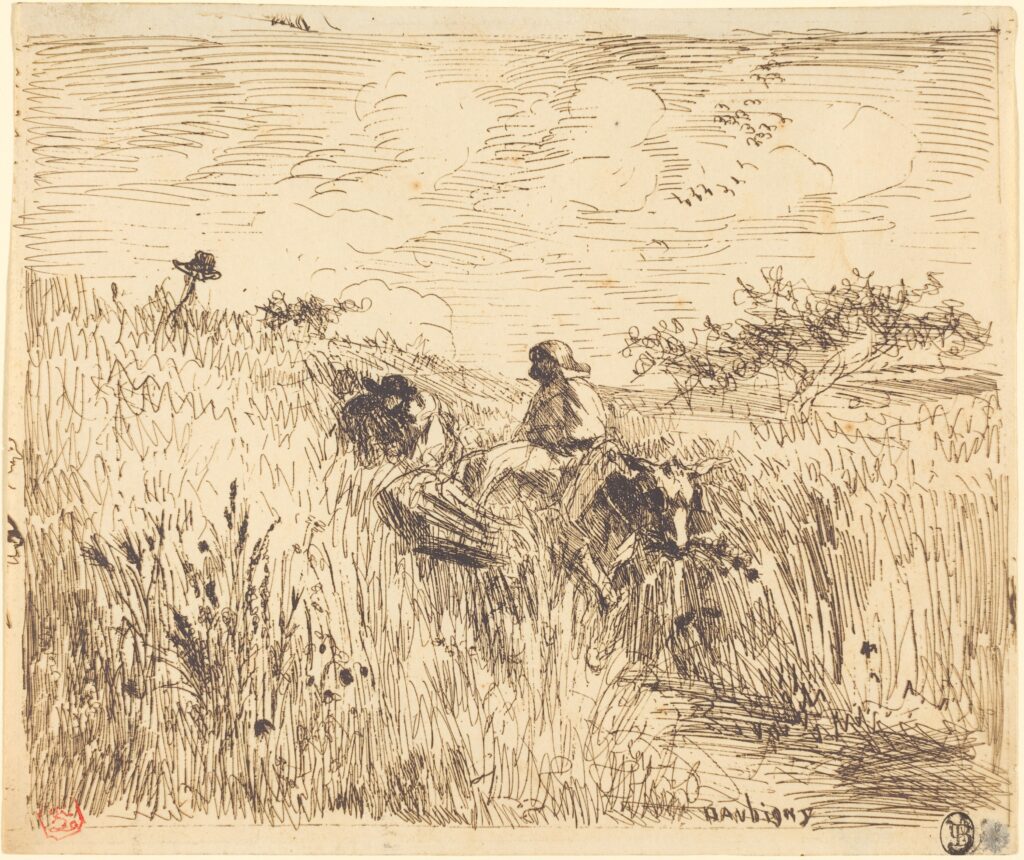
Feature Image Credit: Charles-François Daubigny, www.nga.gov/artworks/61196-path-through-wheat-field-sentier-dans-les-bles
The views and opinions expressed in the Inspiration Daily blog are solely those of the original authors and contributors. These views and opinions do not necessarily represent those of Diocesan, the Diocesan staff, or other contributors to this blog.
Daily Reading

Tuesday of the Seventeenth Week in Ordinary Time
Reading 1 Jeremiah 14:17-22 Let my eyes stream with tearsday and night, without rest,Over the great destruction which overwhelmsthe virgin daughter of my people,over her incurable wound.If I walk out…
Saint of the Day
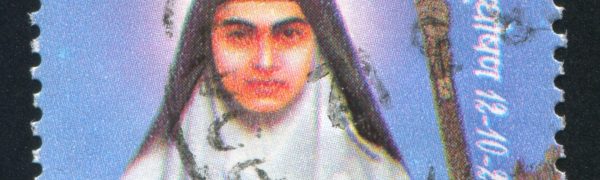
Saint Alphonsa
Saint Alphonsa of Bharananga is the first person of Indian origin and of the Syro-Malabar Catholic Church to be canonized as a saint. The post Saint Alphonsa appeared first on