
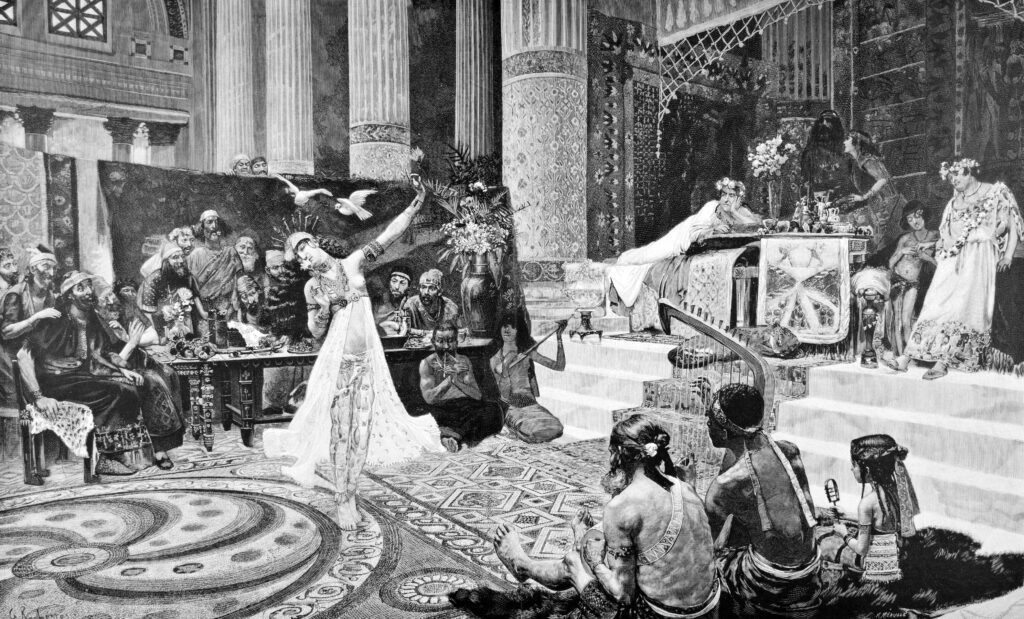
“But at a birthday celebration for Herod, the daughter of Herodias performed a dance before the guests and delighted Herod so much that he swore to give her whatever she might ask for” (Matt 14:6-7).
When Herod ordered the execution of John the Baptist, he knew he would be executing an innocent man. But caught in the heat of the moment, trapped by all that tantalizes the desires, Herod had made an illicit oath. To save face, it was an oath he would not rescind.
Minds can become clouded by the temptation to fulfil desires; decisions can become reactionary by the pressure to maintain perceived power. Conditions such as these might lead to making our own invalid oaths, for when right reasoning gets hijacked, our words can become careless.
Maybe it’s a parent yelling, “You’re grounded!” or a child yelling, “I hate you!” or a spouse spouting off before thinking “I didn’t mean what I said.” Even seemingly harmless phrases like “I would never….” or “Can you imagine…?” can bind us. Our words carry weight and they can cut deeply. It might not be within our range of power to have a man executed, but killing can occur in many ways: killing the spirit, killing honor, killing a relationship.
Herod, in all his power, was a man weakened by desire. Yet our desires, when not distorted, when directed rightly, are meant to point to the goodness of God. May we not be caught like Herod in the entanglement of oaths. Let us measure our words well.
“Pero llegó el cumpleaños de Herodes, y la hija de Herodías bailó delante de todos y le gustó tanto a Herodes, que juró darle lo que le pidiera” (Mateo 14, 6-7).
Cuando Herodes ordenó la ejecución de Juan el Bautista, sabía que estaba ejecutando a un hombre inocente. Pero, arrastrado por el arrebato del momento —atrapado por todo aquello que seduce los deseos—, Herodes había hecho un juramento ilícito. Para salvar las apariencias, fue un juramento que no revocaría.
La mente puede nublarse ante la tentación de satisfacer los deseos; las decisiones pueden volverse reactivas bajo la presión de mantener un poder percibido. Circunstancias como estas podrían llevarnos a hacer nuestros propios juramentos inválidos, pues cuando el razonamiento correcto es secuestrado, nuestras palabras pueden volverse imprudentes.
Tal vez sea un padre gritando: “¡Estás castigado!”, o un hijo gritando: “¡Te odio!”, o un cónyuge que habla sin pensar para luego decir: “No quise decir lo que dije”. Incluso frases aparentemente inofensivas como “Yo nunca…” o “¿Te imaginas…?” pueden atarnos. Nuestras palabras tienen peso y pueden herir profundamente. Quizás no esté a nuestro alcance ordenar la ejecución de un hombre, pero el acto de matar puede ocurrir de muchas maneras: matando el espíritu, matando el honor, matando una relación.
Herodes, con todo su poder, era un hombre debilitado por el deseo. Sin embargo, nuestros deseos —cuando no están distorsionados, cuando están bien orientados— tienen el propósito de apuntar hacia la bondad de Dios. Que no quedemos atrapados, como Herodes, en la maraña de los juramentos. Midamos bien nuestras palabras.
 Raine Pyne is a longtime public school educator. She is married to Greg, who is also an educator. Between them, they have five sons, three dogs, and one cat, plus hundreds of adolescent students and countless stacks of books. Raine is a former parish catechist and women’s retreat leader. She is a student at the Theology of the Body Institute and a member of the Word on Fire Institute’s Writing Community. She is passionate about learning, language, and the ever deepening journey of faith.
Feature Image Credit: Louis Fortune Méaulle, art.diocesan.com/stock-photo/salome-dancing-before-king-herod-26268/
The views and opinions expressed in the Inspiration Daily blog are solely those of the original authors and contributors. These views and opinions do not necessarily represent those of Diocesan, the Diocesan staff, or other contributors to this blog.
Daily Reading

Memorial of Saint Alphonsus Liguori, Bishop and Doctor of the Church
Readings for the Memorial of Saint Alphonsus Liguori, Bishop and Doctor of the Church Reading 1 Jeremiah 26:11-16, 24 The priests and prophets said to the princes and to all…
Saint of the Day
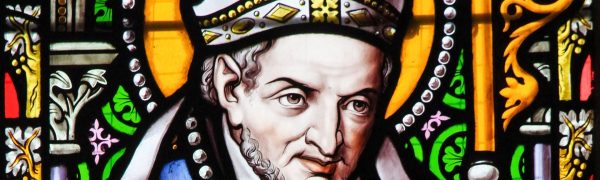
Saint Alphonsus Liguori
Saint Alphonsus Liguori was an Italian bishop, theologian, spiritual writer, and founder of the Redemptorists, a prominent religious congregation. The post Saint Alphonsus Liguori appeared first on uCatholic.