The Christians in Persia had enjoyed twelve years of peace during the reign of Isdegerd, son of Sapor III, when in 420 it was disturbed by the indiscreet zeal of Abdas, a Christian Bishop who burned the Temple of Fire, the great sanctuary of the Persians. King Isdegerd threatened to destroy all the churches of the Christians unless the Bishop would rebuild it.

As Abdas refused to comply, the threat was executed; the churches were demolished, Abdas himself was put to death, and a general persecution began which lasted forty years. Isdegerd died in 421, but his son and successor, Varanes, carried on the persecution with great fury. The Christians were submitted to the most cruel tortures.

Among those who suffered was St. Benjamin, a Deacon, who had been imprisoned a year for his Faith. At the end of this period, an ambassador of the Emperor of Constantinople obtained his release on condition that he would never speak to any of the courtiers about religion.

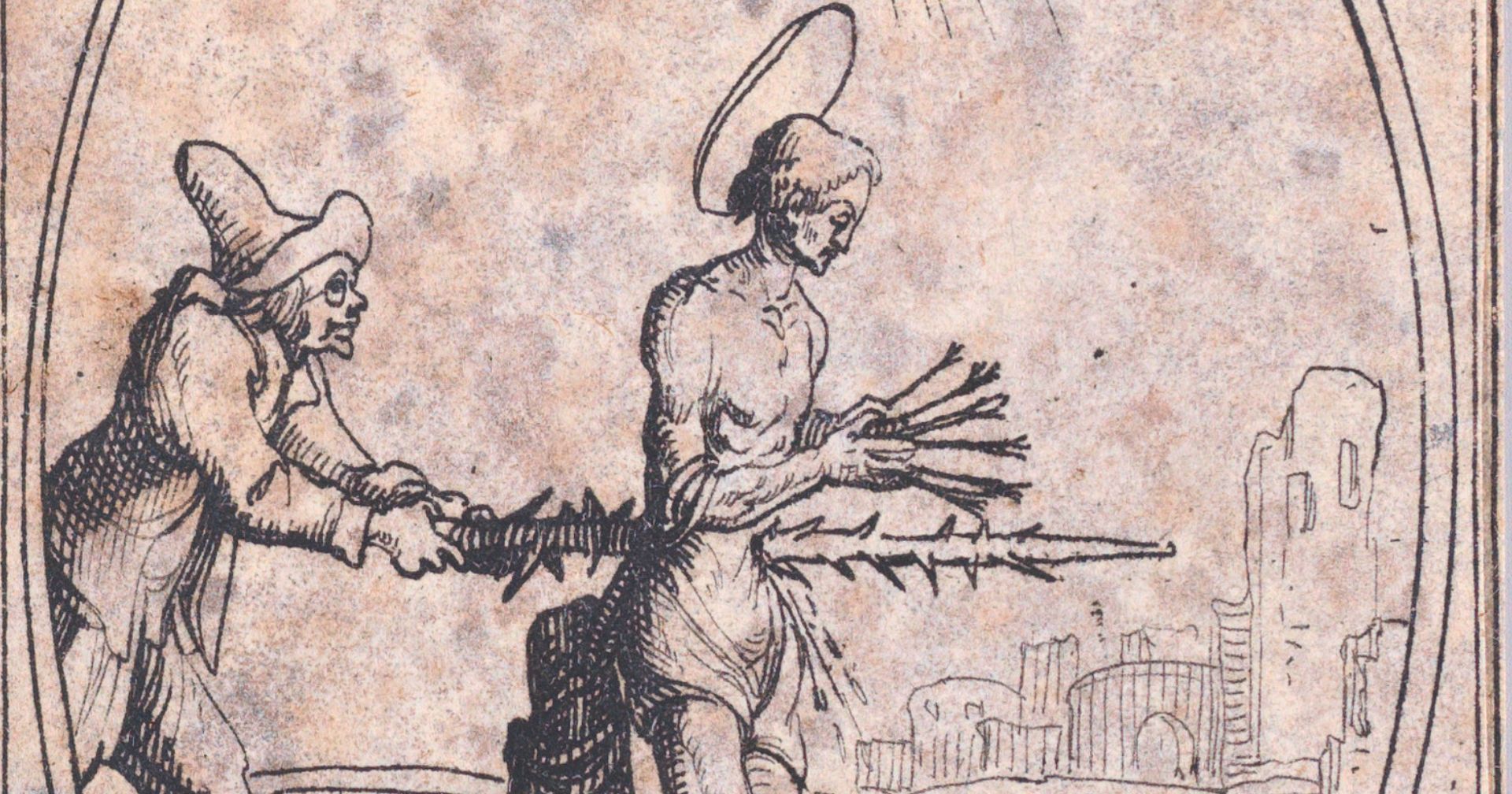
St. Benjamin, however, declared it was his duty to preach Christ and that he could not be silent. Although he had been liberated on the agreement made with the ambassador and the Persian authorities, he would not acquiesce in it, and neglected no opportunity of preaching. He was again apprehended and brought before the king. The tyrant ordered that reeds should be thrust in between his nails and his flesh and into all the tenderest parts of his body and then withdrawn. After this torture had been repeated several times, a knotted stake was inserted into his bowels to rend and tear him. The martyr expired in the most terrible agony about the year 424.

Photo credit: Public Domain via Wikimedia Commons

Love uCATHOLIC?
Get our inspiring content delivered to your inbox every morning – FREE!

The post Saint Benjamin the Deacon appeared first on uCatholic.

Daily Reading


Daily Meditation


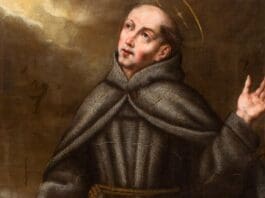
Saint Peter Regaldo lived at a very busy time. The Great Western Schism (1378-1417) was settled at the Council of Constance (1414-1418). France and England were fighting the Hundred Years’ War, and in 1453 the Byzantine Empire was completely wiped out by the loss of Constantinople to the Turks. At Peter’s death the age of printing had just begun in Germany, and Columbus’s arrival in the New World was less than 40 years away.

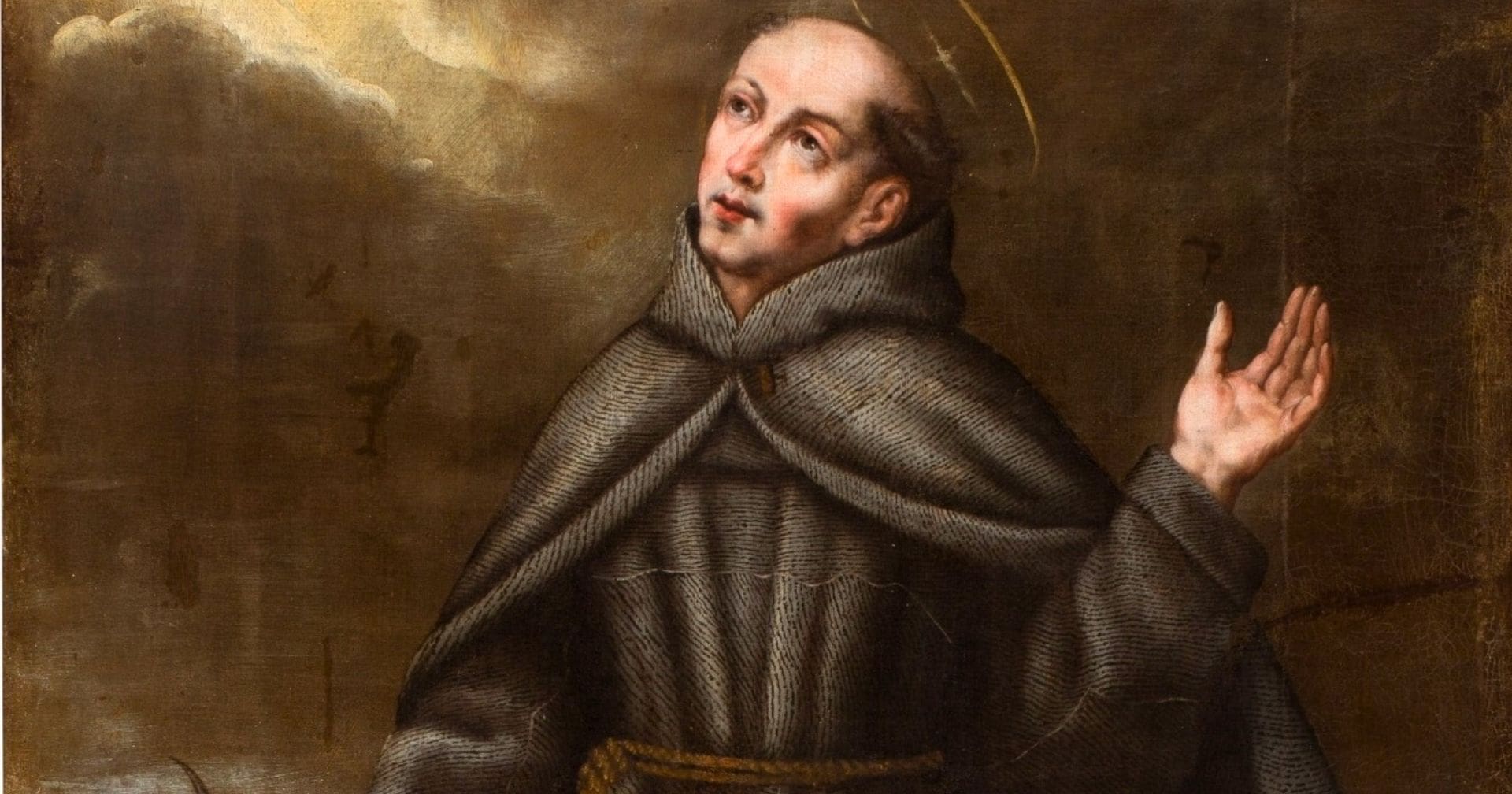
Peter came from a wealthy and pious family in Valladolid, Spain. At the age of 13, he was allowed to enter the Conventual Franciscans. Shortly after his ordination, he was made superior of the friary in Aguilar. He became part of a group of friars who wanted to lead a life of greater poverty and penance. In 1442 he was appointed head of all the Spanish Franciscans in his reform group.

Peter led the friars by his example. A special love of the poor and the sick characterized Peter. Miraculous stories are told about his charity to the poor. For example, the bread never seemed to run out as long as Peter had hungry people to feed. Throughout most of his life, Peter went hungry; he lived only on bread and water.

Immediately after his death on March 31, 1456, his grave became a place of pilgrimage. Peter was canonized in 1746.

Photo credit: Public Domain via Wikimedia Commons

Love uCATHOLIC?
Get our inspiring content delivered to your inbox every morning – FREE!

The post Saint Peter Regalado appeared first on uCatholic.

Daily Reading


Daily Meditation


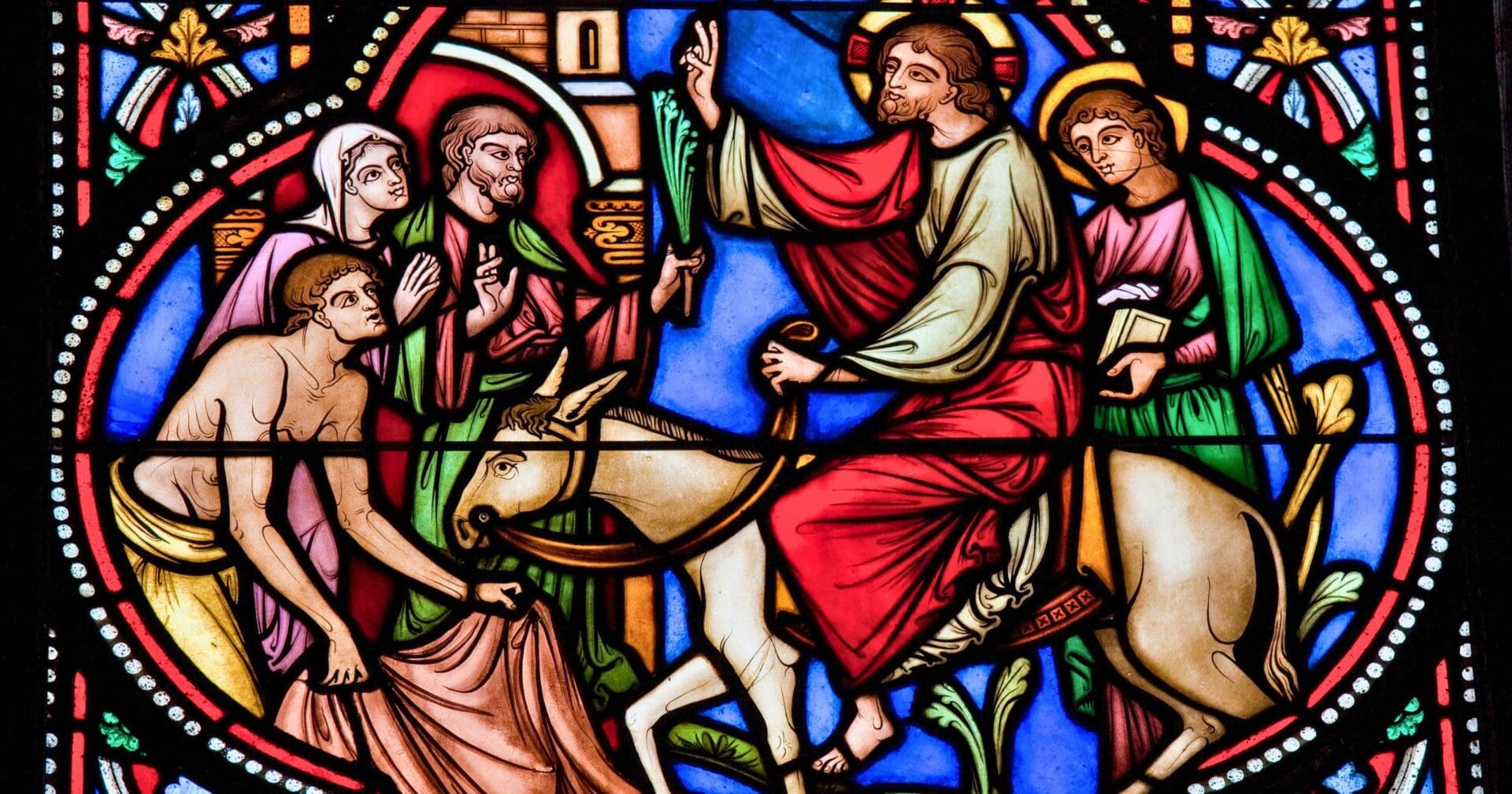
On Palm Sunday, also known as the Sunday of the Lord’s Passion, the Christian world steps into Holy Week, marking the commencement of a period steeped in profound religious significance. This day memorializes Christ’s majestic entry into Jerusalem, an event that saw the city’s inhabitants lay their garments on the streets, heralding him as their sovereign with shouts of “Hosanna to the Son of David; Blessed is he who comes in the name of the Lord!”

In the Western Church tradition, the observance of Palm Sunday begins with the blessing of palms. These palms, destined for the subsequent procession, are sanctified, setting the stage for the retelling of Jesus’ entry into Jerusalem. Should logistical constraints prevent an outdoor procession, a solemn entrance within the church suffices, maintaining the ceremonial essence.

The day’s hymns and psalms echo Christ’s kingly dignity, while Palm Sunday’s alternative moniker, Fig Sunday, hearkens back to the cursing of the fig tree by Christ, integrating a tradition of consuming figs. Across England, the day has borne various names like Olive or Branch Sunday and Sunday of the Willow Boughs, each reflecting local botanical substitutes for palms.

Customs around Palm Sunday have evolved distinctly across regions. In Slavic nations, for instance, the blessed palms traverse homes, fields, and outbuildings in a ritual seeking divine safeguarding and blessings on the land and its yield.

Historical accounts, such as that of the pilgrim Egeria, confirm the practice of Palm Sunday processions as far back as the 4th century in Jerusalem, indicating the deep-rooted tradition of commemorating this event. By the 8th century, texts like the Gallican Bobbio Missal already documented the palm blessing, symbolizing Christ’s triumph.

While the grandeur of the Middle Ages has given way to more subdued observances in the Western Church, the essence of Palm Sunday — reflective of Christ’s victory and anticipation of the Passion — remains unchanged. Notably, the ashes used on Ash Wednesday originate from the palms of the previous year’s Palm Sunday, linking the cycle of penitence and renewal to this significant day.

Editorial credit: jorisvo / Shutterstock.com

Love uCATHOLIC?
Get our inspiring content delivered to your inbox every morning – FREE!

The post Palm Sunday of The Lord’s Passion appeared first on uCatholic.

Daily Reading


Daily Meditation


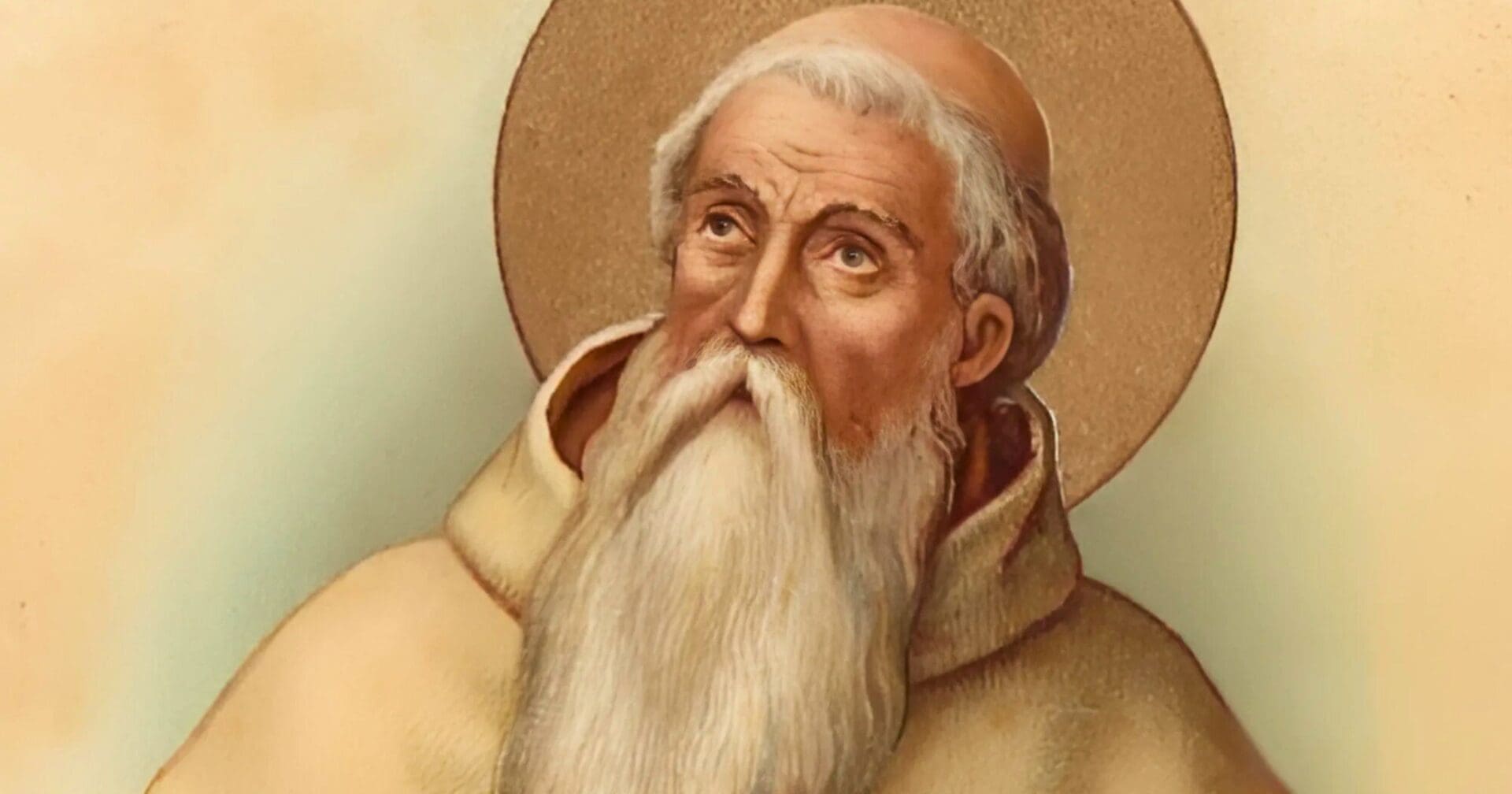
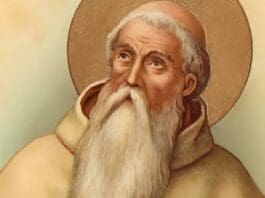
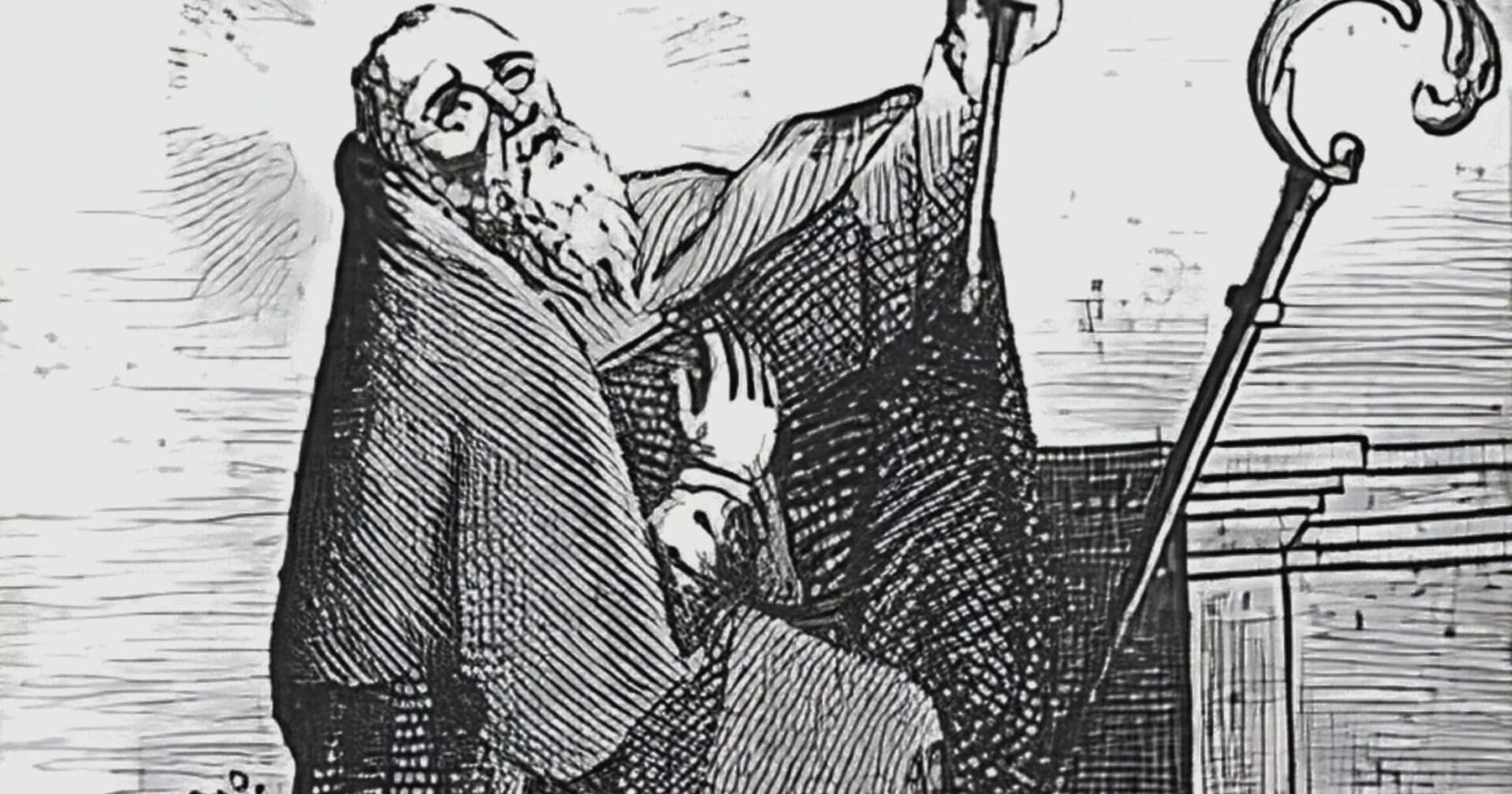
Saint Berthold seems to have had a connection with the beginnings of the Carmelite Order. He was a relative of Aymeric, the Latin patriarch of Antioch who was installed in Antioch during the crusades. At the time, there were a number of hermits from the West scattered throughout Palestine, and Berthold gathered them together, founded a community of priests who settled on Mount Carmel, and became their first superior.

There is a legend that he was born at Limoges in France, studied in Paris, and was ordained a priest there. According to the legend, he accompanied Aymeric on the crusades and found himself in Antioch when it was being besieged by the Saracens. Through his urgings, the Christians in Antioch turned to prayer and penance, and the city was delivered.

What is known for certain is that St. Berthold directed the building of a monastery and church on Mount Carmel and dedicated the church in honor of the prophet Elias, who had defeated the priests of Baal there and seen the vision of the cloud out over the sea. This is confirmed in a letter of Peter Emilianus to King Edward I of England in 1282.

Berthold lived out his days on Mount Carmel, ruling the community he had founded for forty-five years until his death about 1195. His example and way of life stamped the beginnings of the Carmelite Order, leading to the drawing up of the order’s rule by St. Albert, Latin patriarch of Jerusalem, about 1210. That rule was approved by Pope Honorius III in 1226 and it is this primitive rule that is considered the foundation of the Order of Mount Carmel.

But it seems to have been Berthold who first organized the monastic life of the hermits on Mount Carmel and governed them until his death. St. Brocard, who apparently was his successor, petitioned Albert to compose a rule for them, undoubtedly codifying and completing the work begun by Berthold.

Photo credit: Octave 444 via Wikimedia Commons

Love uCATHOLIC?
Get our inspiring content delivered to your inbox every morning – FREE!

The post Saint Berthold appeared first on uCatholic.

Daily Reading


Daily Meditation


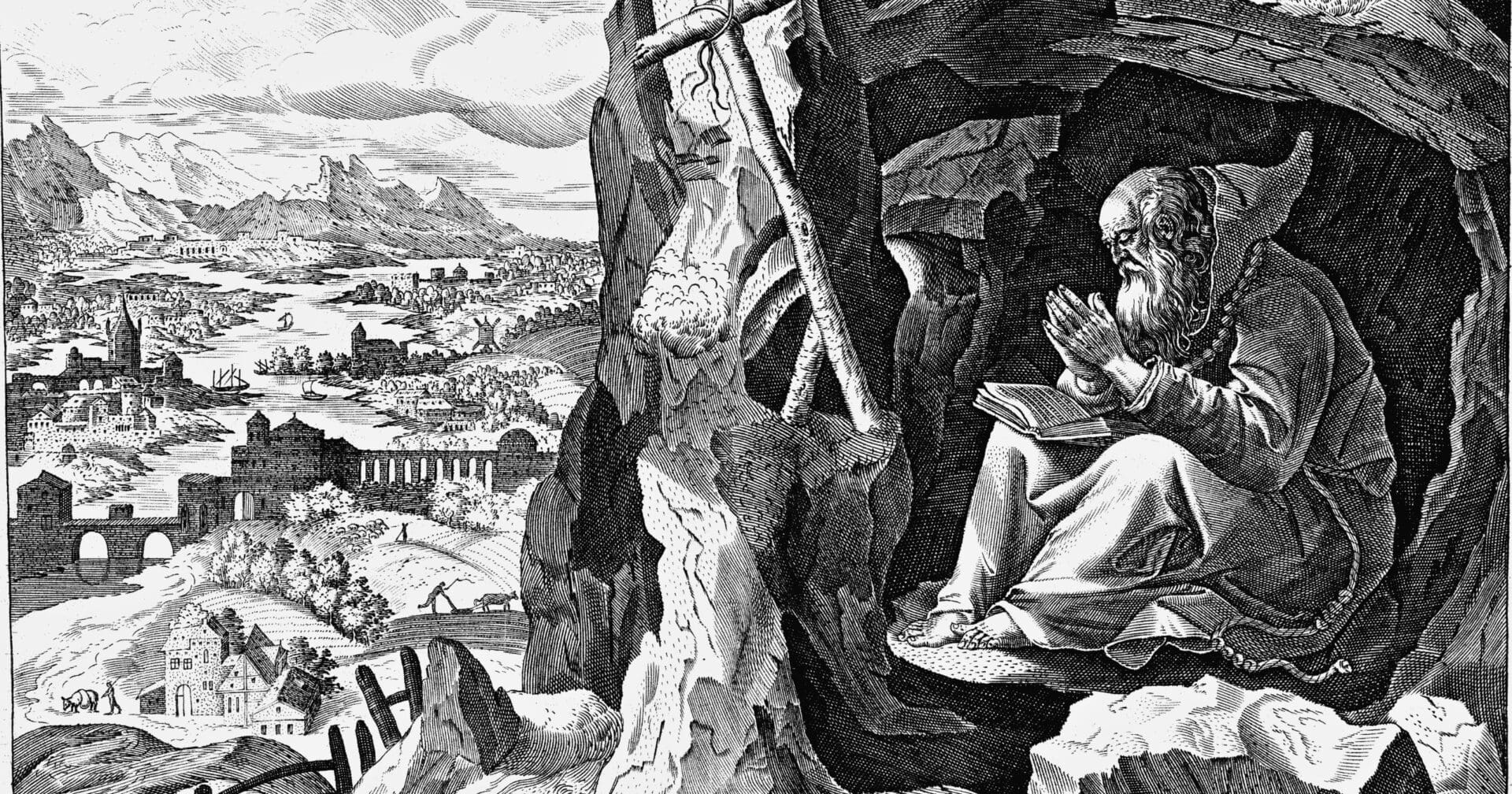
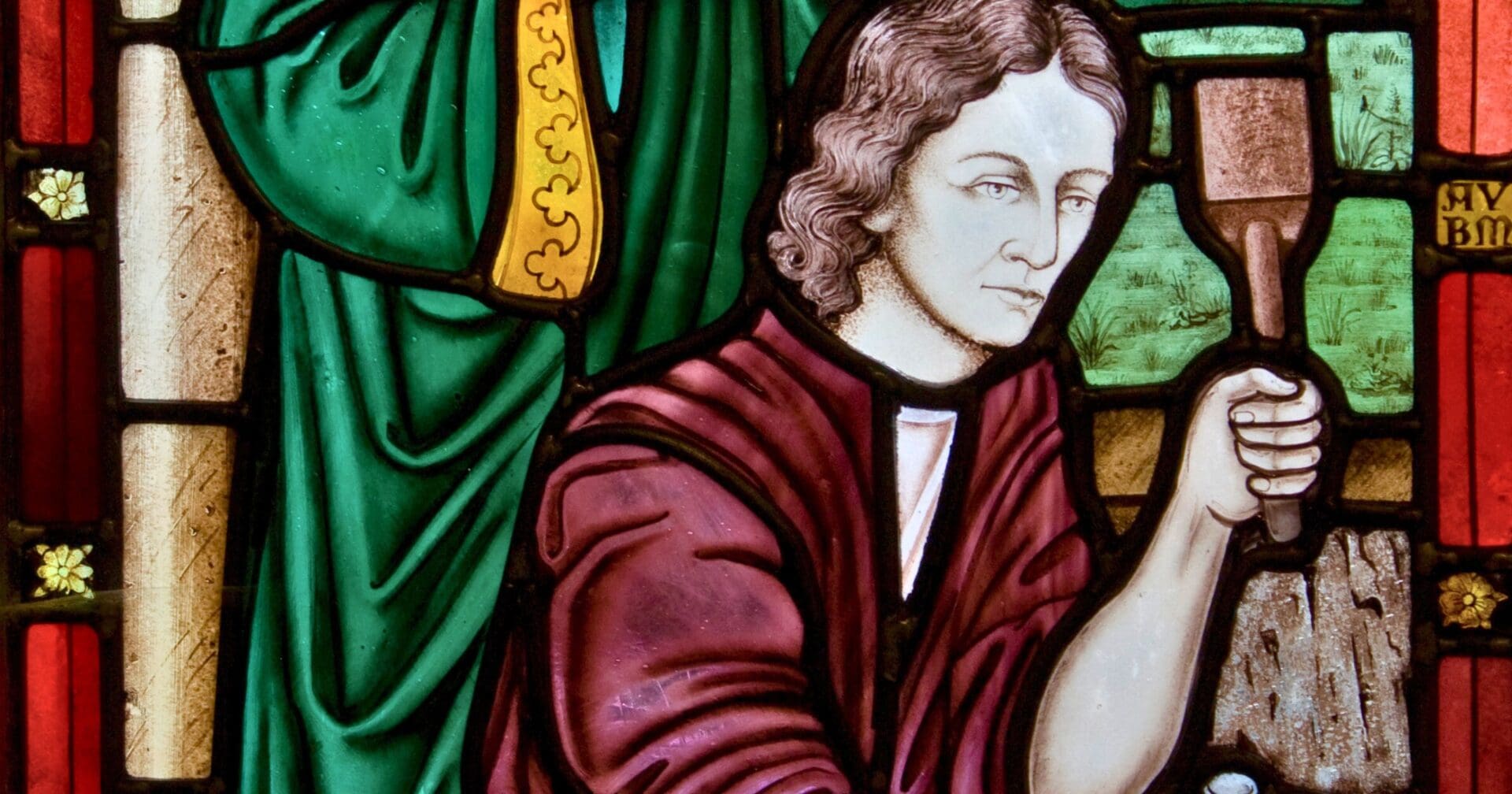
Saint John of Egypt, originally a carpenter in Lycopolis (now Assiut, Egypt), felt a divine pull towards a life of solitude. He spent his early years crafting wood under his father’s guidance but soon sought a deeper connection with God, leading him to abandon worldly life for the desert’s isolation.

Mentored for a decade by a venerable hermit, whom he revered as his “spiritual father,” John was imbued with the essence of sanctity. Following his mentor’s death, John’s quest for spiritual depth led him through various monasteries, eager to understand the monastic ways of prayer and existence.

Ultimately, John settled in a secluded cave, ingeniously partitioned into areas for living, working, and prayer. Here, he enclosed himself, only accessible via a solitary window, through which he shared his insights with those who sought his counsel, attracting even Emperor Theodosius I’s attention for guidance.

The local community supported him with food and essentials, drawn by his wisdom and holiness. His reputation as a sage attracted disciples, prompting the construction of a hospice nearby to accommodate the influx of seekers.

Saints such as Augustine and Jerome acknowledged John’s sanctity, marveling at his prophetic abilities and profound insight into the human soul. His healing touch, through the anointment with blessed oil, brought physical relief to many.

Despite his renown, John’s life was marked by asceticism and humility. He fasted until sunset, subsisting on dried fruits and vegetables, shunning meat and warm meals, in a continual quest for spiritual purity. John passed away in 394 at the age of ninety, having devoted his final days entirely to divine communion, departing this world in a posture of prayer.

Photo credit: Public Domain via Wikimedia Commons

Love uCATHOLIC?
Get our inspiring content delivered to your inbox every morning – FREE!

The post Saint John of Egypt appeared first on uCatholic.

Daily Reading


Daily Meditation


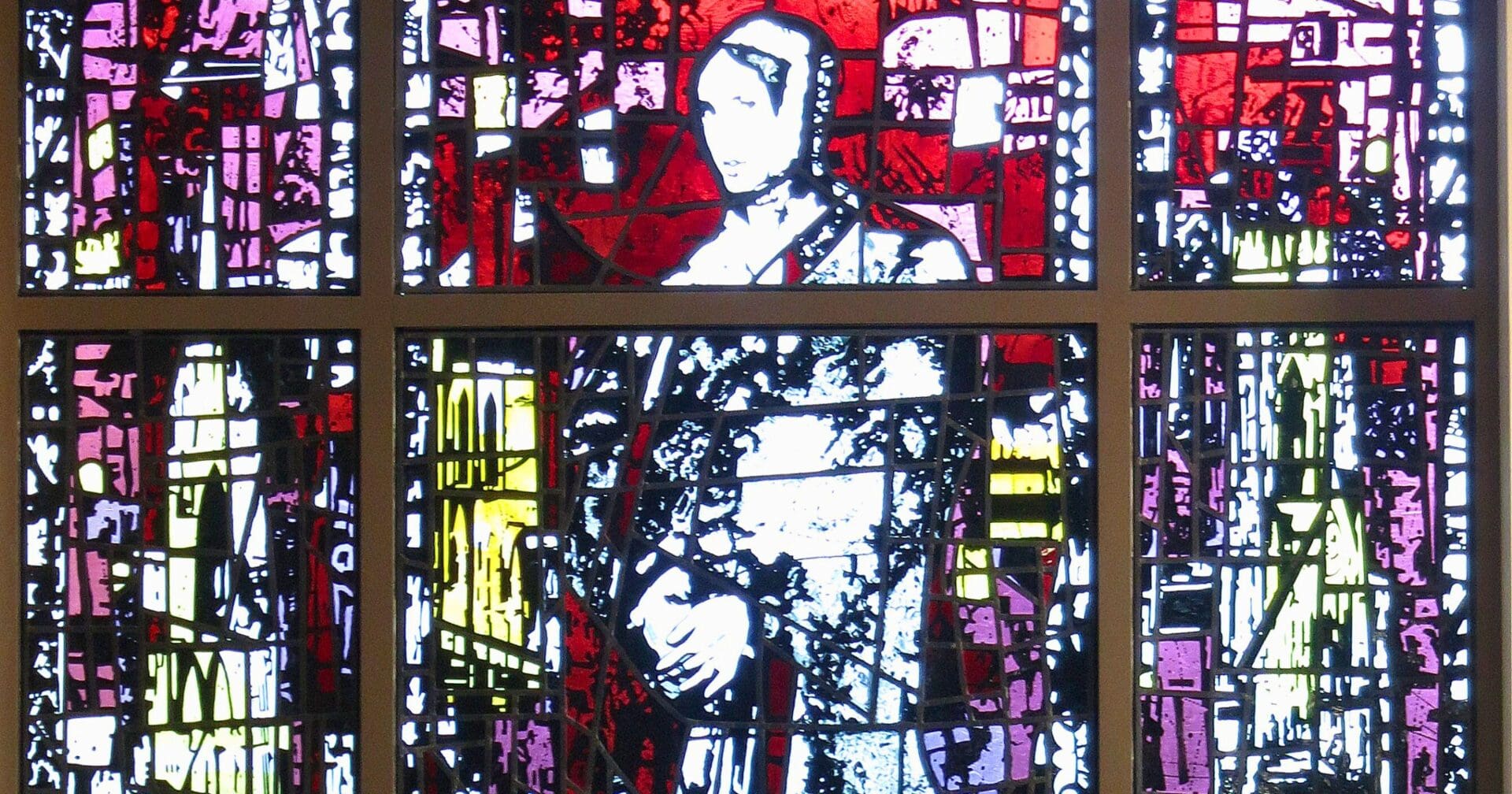
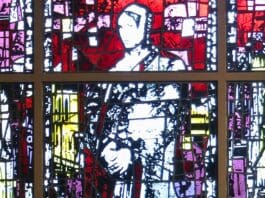
Margaret Clitherow was born into a Protestant family in Middleton, England, in 1555. Known for her beauty, wit, and vivacity, she captivated those around her.

In 1571, she wed John Clitherow, a prosperous grazier and butcher, and mothered two children. Later, Margaret converted to Catholicism, a decision that marked her life with profound zeal. She became a sanctuary for priests on the run, defying the authorities of the time. Despite being arrested and subjected to severe attempts to break her faith, Margaret remained unwavering.

Her steadfastness led to a brutal sentence on March 25, 1586: death by pressing. Executed by being laid on the ground with a sharp stone beneath her back, a door was placed on top of her, and crushing weights were added. She succumbed within fifteen minutes, her body shattered.

Margaret’s strength and sanctity are echoed in her words to a friend upon hearing of her fate: “The sheriffs have decided my death is imminent this Friday; my body trembles, yet my soul leaps with joy. For God’s love, keep me in your prayers, and ask others to join.”

Her life is celebrated on March 26th, her feast day.

Photo credit: Nheyob via Wikimedia Commons

Love uCATHOLIC?
Get our inspiring content delivered to your inbox every morning – FREE!

The post Saint Margaret Clitherow appeared first on uCatholic.

Daily Reading


Daily Meditation


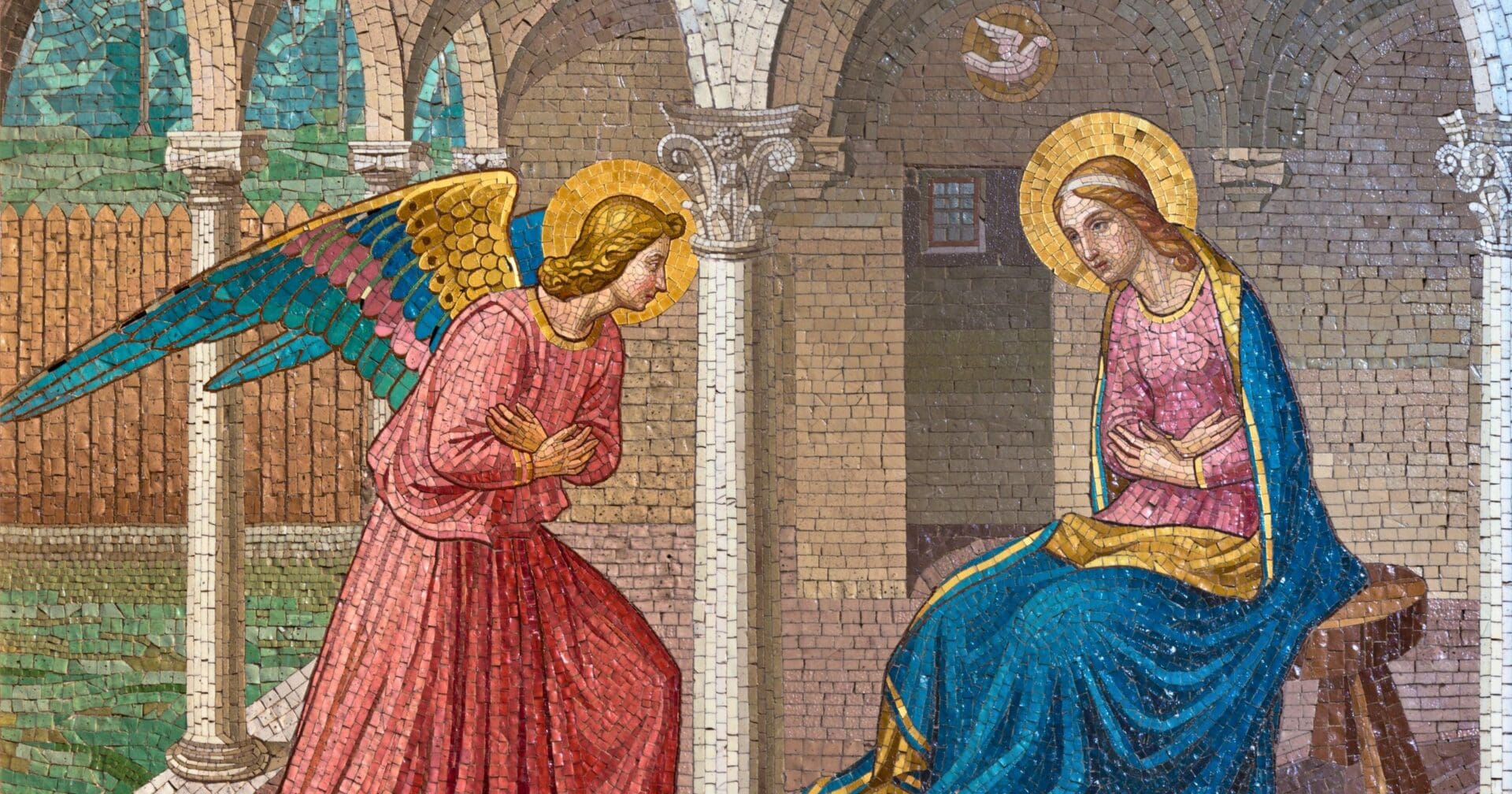
Solemnity Of The Annunciation of The Lord, also called in old calendars: FESTUM INCARNATIONIS, INITIUM REDEMPTIONIS CONCEPTIO CHRISTI, ANNUNTIATIO CHRISTI, ANNUNTIATIO DOMINICA and The Feast of the Annunciation of the Blessed Virgin Mary. In the East, where the part which Mary took in the Redemption is celebrated by a special feast, 26 December, the Annunciation is a feast of Christ; in the Latin Church, it is a feast of Mary. It probably originated shortly before or after the council of Ephesus (c. 431). At the time of the Synod of Laodicea (372) it was not known; St. Proclus, Bishop of Constantinople (d. 446), however, seems to mention it in one of his homilies. He says, that the feast of the coming of Our Lord and Saviour, when He vested Himself with the nature of man (quo hominum genus indutus), was celebrated during the entire fifth century. This homily, however, may not be genuine, or the words may be understood of the feast of Christmas.

In the Latin Church this feast is first mentioned in the Sacramentarium of Pope Gelasius (d. 496), which we possess in a manuscript of the seventh century; it is also contained in the Sacramentarium of St. Gregory (d. 604), one manuscript of which dates back to the eighth century. Since these sacramentaries contain additions posterior to the time of Gelasius and Gregory, Duchesne (Origines du culte chrétien, 118, 261) ascribes the origin of this feast in Rome to the seventh century; Probst, however, (Sacramentarien, 264) thinks that it really belongs to the time of Pope Gelasius. The tenth Synod of Toledo (656), and Trullan Synod (692) speak of this feast as one universally celebrated in the Catholic Church.

All Christian antiquity (against all astronomical possibility) recognized the 25th of March as the actual day of Our Lord’s death. The opinion that the Incarnation also took place on that date is found in the pseudo-Cyprianic work “De Pascha Computus”, c. 240. It argues that the coming of Our Lord and His death must have coincided with the creation and fall of Adam. And since the world was created in spring, the Saviour was also conceived and died shortly after the equinox of spring. Similar fanciful calculations are found in the early and later Middle Ages, and to them, no doubt, the dates of the feast of the Annunciation and of Christmas owe their origin. Consequently the ancient martyrologies assign to the 25th of March the creation of Adam and the crucifixion of Our Lord; also, the fall of Lucifer, the passing of Israel through the Red Sea and the immolation of Isaac. (Thruston, Christmas and the Christian Calendar, Amer. Eccl. Rev., XIX, 568.) The original date of this feast was the 25th of March. Although in olden times most of the churches kept no feast in Lent, the Greek Church in the Trullan Synod (in 692; can. 52) made an exception in favour of the Annunciation. In Rome, it was always celebrated on the 25th of March. The Spanish Church transferred it to the 18th of December, and when some tried to introduce the Roman observance of it on the 25th of March, the 18th of December was officially confirmed in the whole Spanish Church by the tenth Synod of Toledo (656). This law was abolished when the Roman liturgy was accepted in Spain.

The church of Milan, up to our times, assigns the office of this feast to the last Sunday in Advent. On the 25th of March a Mass is sung in honour of the Annunciation. (Ordo Ambrosianus, 1906; Magistretti, Beroldus, 136.) The schismatic Armenians now celebrate this feast on the 7th of April. Since Epiphany for them is the feast of the birth of Christ, the Armenian Church formerly assigned the Annunciation to 5 January, the vigil of Epiphany. This feast was always a holy day of obligation in the Universal Church. As such it was abrogated first for France and the French dependencies, 9 April, 1802; and for the United States, by the Third Council of Baltimore, in 1884. By a decree of the S.R.C., 23 April, 1895, the rank of the feast was raised from a double of the second class to a double of the first class. If this feast falls within Holy Week or Easter Week, its office is transferred to the Monday after the octave of Easter. In some German churches it was the custom to keep its office the Saturday before Palm Sunday if the 25th of March fell in Holy Week. The Greek Church, when the 25th of March occurs on one of the three last days in Holy Week, transfers the Annunciation to Easter Monday; on all other days, even on Easter Sunday, its office is kept together with the office of the day. Although no octaves are permitted in Lent, the Dioceses of Loreto and of the Province of Venice, the Carmelites, Dominicans, Servites, and Redemptorists, celebrate this feast with an octave.

(original Catholic Encyclopedia article

Editorial credit: Renata Sedmakova / Shutterstock.com

Love uCATHOLIC?
Get our inspiring content delivered to your inbox every morning – FREE!

The post Solemnity Of The Annunciation of The Lord appeared first on uCatholic.

Daily Reading


Daily Meditation


Saint Irenaeus of Sirmium, serving as the bishop of the Baltic stronghold Sirmium (now Sremska Mitrovica, Serbia), faced the zenith of his trials under the oppressive reign of Roman Emperor Diocletian. Captured for his unwavering devotion, Irenaeus was presented to the local authority, where he stood firm against demands for pagan sacrifices.

Subjected to the brutal embrace of the rack, his tormentors sought to break his spirit. Yet, Irenaeus’s conviction remained unyielding, even against the backdrop of his family’s heartfelt entreaties to conform.

Following his refusal, he was condemned to the shadows of his cell, enduring further cruelties in a vain attempt to erode his faith. When brought forth for subsequent interrogations, his steadfastness was undiminished. Ultimately, his journey concluded with martyrdom by beheading in 304 AD, a testament to his indomitable faith.

Photo credit: Public Domain via Wikimedia Commons

Love uCATHOLIC?
Get our inspiring content delivered to your inbox every morning – FREE!

The post Saint Irenaeus of Sirmium appeared first on uCatholic.

Daily Reading


Daily Meditation


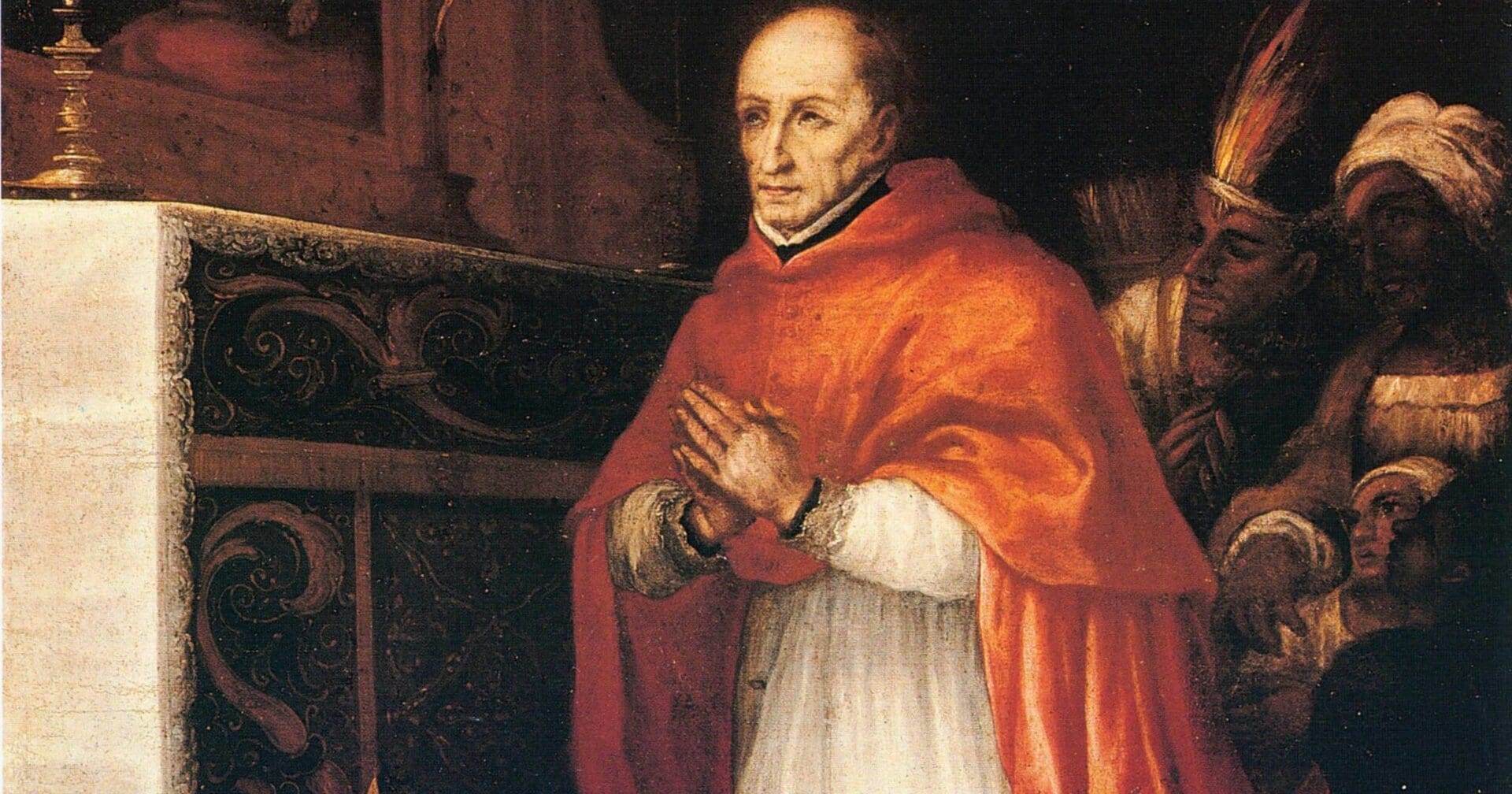
Saint Toribio Alfonso de Mongrovejo (1538-1606), a figure of profound influence in Peru, championed the rights of indigenous peoples, laying the foundations for educational, religious, and healthcare institutions in the New World. Notably, he established the inaugural seminary in the Americas and acquired proficiency in several indigenous languages to better serve his pastoral mission.

Originating from Spain, where he distinguished himself in law to the extent of becoming a professor at the University of Salamanca and later the chief judge of the Inquisition in Granada, Turibius’s life took an unexpected turn. Despite his legal acumen, he could not foresee his appointment as the Archbishop of Lima, a decision prompted by his reputed integrity and spirituality, aimed at rectifying the region’s moral decay.

Despite his initial resistance, citing canonical laws against laymen receiving ecclesiastical positions, Turibius was ordained and dispatched to Peru. There, he confronted the grim reality of colonial exploitation and ecclesiastical corruption. His response was a tireless commitment to reform, embarking on extensive tours of his vast diocese, engaging deeply with the language and customs of the indigenous population, and living a life marked by personal austerity and spiritual intensity. It was during this period that he confirmed Saint Rose of Lima and likely Saint Martin de Porres, with Saint Francis Solanus later joining his missionary efforts.

Turibius’s innovative approach to supporting his impoverished flock, delivering aid anonymously to uphold their dignity, further exemplifies his profound empathy and respect for the communities he served.

Photo credit: Public Domain via Wikimedia Commons

Love uCATHOLIC?
Get our inspiring content delivered to your inbox every morning – FREE!

The post Saint Turibius of Mongrovejo appeared first on uCatholic.

Daily Reading


Daily Meditation


Nicholas Owens, known affectionately as “Little John,” stood small in physique but towered in the regard of his Jesuit brethren. Born in Oxford around 1550, Owens emerged as a beacon of hope for many Catholics in England during the penal era from 1559 to 1829, a time when practicing Catholicism could lead to severe punishment.

For two decades, Owens leveraged his craftsmanship to construct ingeniously hidden refuges for priests across England. Working solo as both the mind and muscle behind his projects, his creations were so masterfully concealed that priests remained undiscovered during searches. Owens had a knack for carving out safe havens—underground tunnels, crevices within walls, secret compartments—places so well hidden they seemed to defy discovery. His crowning achievement involved orchestrating the escape of two Jesuits from the Tower of London. Each of his projects commenced with the Holy Eucharist and unfolded with prayer, seeking divine guidance through the perilous work.

Years into his mission, Owens joined the Society of Jesus as a lay brother, a fact that remained a carefully guarded secret for obvious reasons.

Despite several close calls, Owens was eventually captured in 1594. Even under severe torture, he remained silent about his fellow Catholics. Released after a ransom was paid, he undeterredly resumed his mission. His final capture in 1606 led to his death under excruciating torture, a narrative the jailers attempted to twist into a confession and suicide. Nevertheless, Owens’s resilience and sacrifice became legendary.

In 1970, Nicholas Owens was canonized, celebrated as one of the 40 Martyrs of England and Wales.

Photo credit: Lawrence OP via Flickr

Love uCATHOLIC?
Get our inspiring content delivered to your inbox every morning – FREE!

The post Saint Nicholas Owens appeared first on uCatholic.

Daily Reading


Daily Meditation