

Click here for daily readings

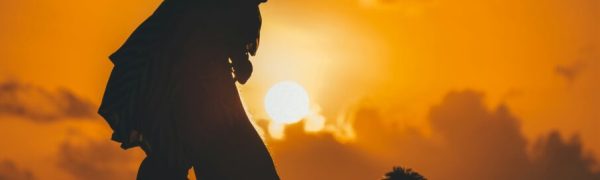
They were in the waves and the wind, yet they did not fear the storm. According to Matthew’s account, they weren’t terrified until they saw someone walking across the water. As fishermen, they understood the nature of storms, but seeing a person doing something that’s physically impossible terrifies them. 

Peter challenges Jesus to see if it’s really Him. He asks to join Him in this unnatural thing and walk with Him on the water. But when Jesus commands and Peter sets out to do the impossible, the strength of the storm distracts him, pulls his attention away from God and Peter begins to sink, crying out “Lord, save me!”  

All of us know what it feels like to have our faith challenged, facing uncertainty and stress. Do we doubt God’s ability to rescue us? When we’re in the middle of our own storm and God appears, do we recognize Him? Do we challenge Him demanding proof that He’s truly with us? And when He responds to us, do we step out in faith and continue walking – or do we take our eyes off Jesus and focus on the storm instead? 

As contradictory as it may seem, sometimes difficulties and stress are necessary to help us grow in our faith. Faith is not a life of “chance,” but the conscious act of purposefully choosing a life with a God who loves us! During our testing times, there are only two choices for people of faith:

To look up at the heavens and cry out in doubt, “Oh God, why?”

Or to look deep within us and cry out in faith, “Oh Lord, save us!” 

It may be comforting to remember that even the Apostles and saints experienced darkness that caused them to call out, “Lord, I need you!” As a people of faith, we know that God never said it would be easy. He said there is a life to come. It is our human pride and sin that discourages us, that turns us away. But God has a plan for each of us. Always. He will sustain us during our struggles. Always.

Spend a moment reflecting on a time of stress or uncertainty in your life; did you cry out in doubt or in faith? Trust Jesus to stretch out His hand to you as he did to Peter. Lord, we are like Peter, wanting to follow You in faith. We turn to You during times of difficulty, seeking Your outstretched hand.

Contact the Author


Estaban entre las olas y el viento, y, sin embargo, no temieron a la tormenta. Según el relato de Mateo, no se aterrorizaron hasta que vieron a alguien caminando sobre las aguas. Como pescadores, comprendían la naturaleza de las tormentas; pero ver a una persona haciendo algo físicamente imposible los aterroriza.

Pedro desafía a Jesús para comprobar si realmente es Él. Le pide unirse a Él en este acto antinatural de caminar con Él sobre el agua. Pero cuando Jesús da la orden y Pedro se dispone a hacer lo imposible, la fuerza de la tormenta lo distrae, aparta su atención de Dios y Pedro comienza a hundirse, clamando: “¡Sálvame, Señor!”

Todos sabemos lo que se siente cuando nuestra fe es puesta a prueba, al enfrentarnos a la incertidumbre y al estrés. ¿Dudamos de la capacidad de Dios para rescatarnos? Cuando nos encontramos en medio de nuestra propia tormenta y Dios aparece, ¿lo reconocemos? ¿Lo desafiamos, exigiéndole pruebas de que verdaderamente está con nosotros? Y cuando nos responde, ¿damos un paso de fe y seguimos caminando, o apartamos la vista de Jesús para centrarnos en la tormenta?

Por contradictorio que parezca, a veces las dificultades y el estrés son necesarios para ayudarnos a crecer en la fe. La fe no es una vida de «casualidades», sino el acto consciente de elegir deliberadamente una vida junto a un Dios que nos ama. Durante nuestros tiempos de prueba, solo existen dos opciones para las personas de fe:

Alzar la vista hacia los cielos y clamar con duda: “Oh, Dios, ¿por qué?”

O mirar en lo más profundo de nuestro interior y clamar con fe: “¡Oh, Señor, sálvanos!”

Puede resultar reconfortante recordar que incluso los apóstoles y los santos experimentaron momentos de oscuridad que los llevaron a exclamar: “¡Señor, te necesito!”. Como pueblo de fe, sabemos que Dios nunca dijo que el camino sería fácil. Él dijo que existe una vida a futuro. Es nuestro orgullo humano y nuestro pecado lo que nos desanima, lo que nos aparta. Pero Dios tiene un plan para cada uno de nosotros. Siempre. Él nos sostendrá durante nuestras luchas. Siempre.

Dedica un momento a reflexionar sobre alguna etapa de estrés o incertidumbre en tu vida: ¿clamaste con duda o con fe? Confía en que Jesús extenderá Su mano hacia ti, tal como lo hizo con Pedro. Señor, somos como Pedro; deseamos seguirte con fe. Recurrimos a ti en los momentos de dificultad, buscando que nos extiendes tu mano.

Comunicarse con la autora


Shelly Henley Kelly is a wife, mother of three, and native Texan who writes and records a podcast with her sister on Of Sound Mind and Spirit and is a regular contributor to Catholic Mom. When not writing or recording, Shelly can be found volunteering as a Youth Ministry Catechist, keeping the scorebook at her son’s baseball games, diving deep into historical research, or hiding with a good book in between games.

Feature Image Credit: Engin Akyurt, pexels.com/photo/dramatic-storm-clouds-over-tranquil-ocean-36179766/

The views and opinions expressed in the Inspiration Daily blog are solely those of the original authors and contributors. These views and opinions do not necessarily represent those of Diocesan, the Diocesan staff, or other contributors to this blog.

Daily Reading

 

Saint of the Day


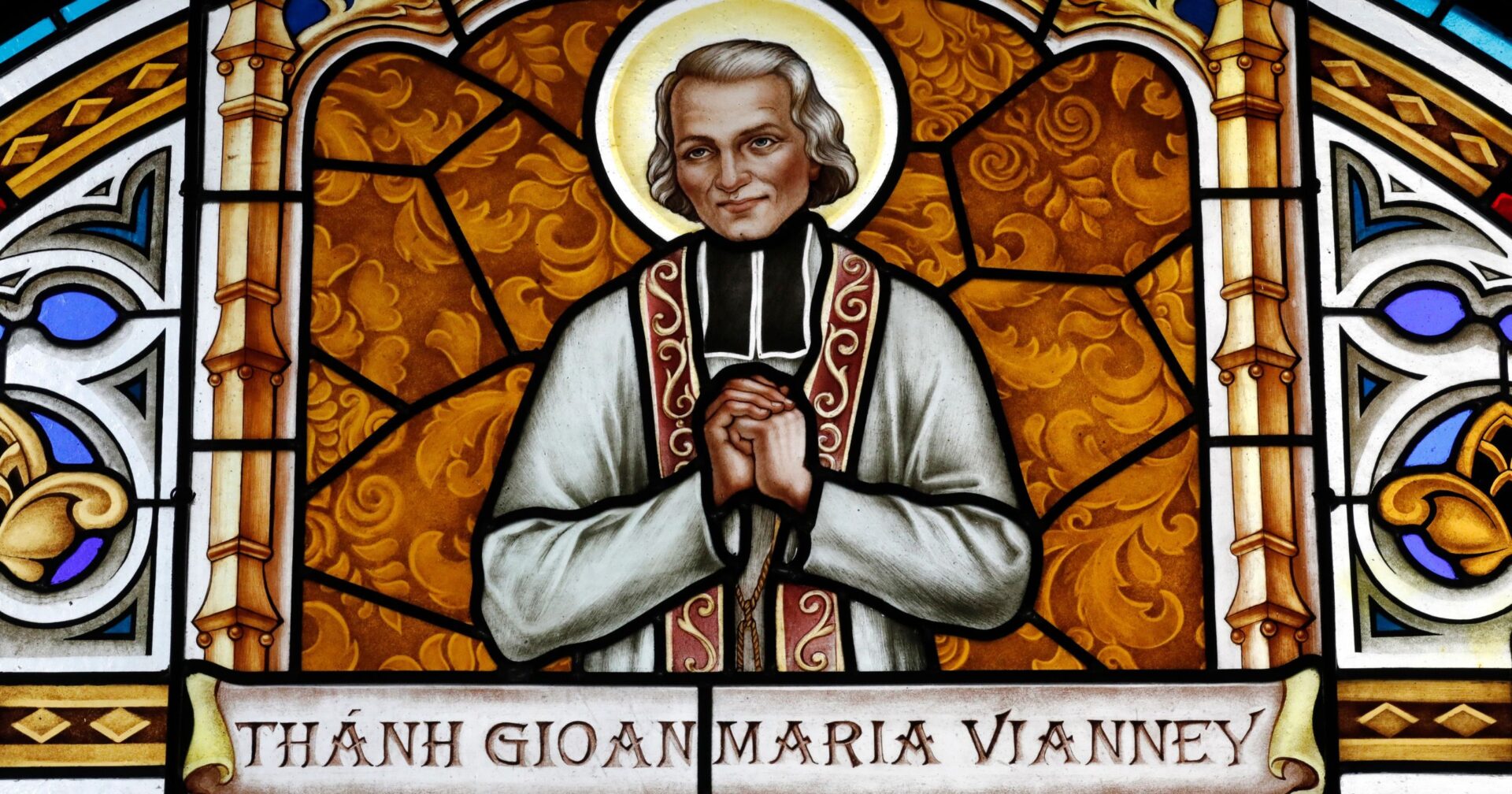
Saint John Marie Vianney, a humble peasant born on May 8, 1786, in the village of Dardilly near Lyons in France, was known for his quiet nature, patience, and deep faith. He wished to become a priest but struggled with learning Latin, which was crucial for his religious training. His life took an unexpected turn when he was drafted into the French army.

En route to join his designated unit, he paused to pray in a church, which resulted in his regiment departing for Spain without him. To avoid military service, Jean Baptiste had to go into hiding for two years. In 1811, he eventually entered a seminary, only to be dismissed three years later due to his difficulty grasping theological studies. Despite this, the bishop of Grenoble, recognizing Vianney’s resolute character and judicious wisdom, decided to ordain him as a priest in 1815. After a three-year probationary period, Vianney was assigned to the village of Ars as their pastor.

Vianney brought to Ars a blend of gentle compassion and personal resilience. Initially, his sermons tackled issues such as drinking, swearing, and dancing. He advocated for the importance of observing Sunday as a day of rest and the need for regular church attendance. His severe fasting and late-night prayers served as a testament to his parishioners that he held himself to an even higher standard than he asked of them. Over time, his influence transformed Ars into a beacon of Christian values.

As his reputation grew, visitors from surrounding towns began to seek out the Ars pastor for confession. Vianney’s deep spiritual insights into their concerns proved highly valuable. By 1845, he was dedicating more than 12 hours a day to hearing confessions in the parish church, with people from across France waiting in long lines for his counsel.

However, Vianney’s success as a confessor also came with personal hardships. His limited sleep was often interrupted by bizarre noises and extreme discomfort, to the point that he felt physically assaulted. His bed even once caught fire. He interpreted these troubles as devil’s harassment, leading him to further intensify his prayers and penances.

Vianney passed away on August 4, 1859, at the age of 73. In recognition of his unwavering faith and service, the Roman Catholic Church canonized him as a saint in 1925 and declared him the heavenly patron of all parish priests in 1929.

Editorial credit: godongphoto / Shutterstock.com

Love uCATHOLIC?
Get our inspiring content delivered to your inbox every morning – FREE!

The post Saint John Marie Vianney appeared first on uCatholic.

Daily Reading


Daily Meditation


Click here for daily reading

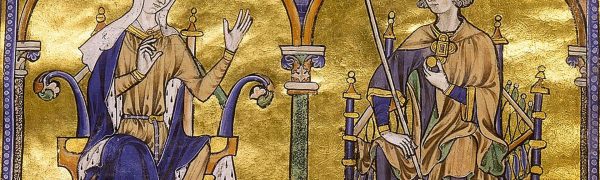
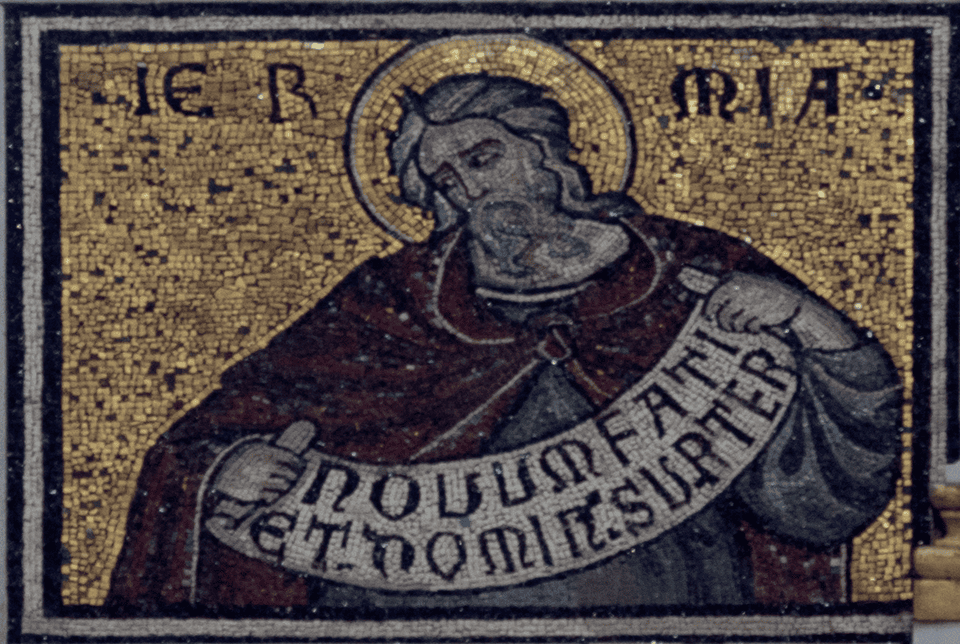
Today we hear a very interesting exchange between the prophet Hananiah and the prophet Jeremiah. Hananiah prophesies that Israel will be freed from Nebuchadnezzar. Jeremiah does not rebuke him; rather, he says that he too would like to see Israel freed, and cautions the people that a prophet of peace must not be believed frivolously. His prophecy must be borne out in history.

What can we learn from this? There are plenty of modern people who promise good things with a questionable foundation. Looking at Jeremiah’s example, we see that the proper response is not necessarily to start a heated debate. Jeremiah was not looking to intensify the environment; he was speaking the truth in a respectful and charitable way.

That being said, it’s clear that Jeremiah’s truth-telling is not lacking in courage. He leads with respect, sharing in Hananiah’s joy. Then he does not shy away from warning the people who have just been promised such a good thing: Be cautious of a prophet of peace, at least until the prophecy takes place.

Apparently Hananiah takes offense at this — Jeremiah’s civility is still a challenge to his own authority. Yet Jeremiah’s behavior continues to impress and to be a model for our own. What does he do when Hananiah takes his yoke from his neck and breaks it? Nothing. He allows him to speak, and he leaves.

It is “some time after” that Jeremiah receives word from the Lord that Hananiah was wrong. Notice that Jeremiah is far removed from the original situation. He had every opportunity to be offended in return and to inveigh against Hananiah. He didn’t. He remained respectful, did not back away from his urge to caution, and left. And then he waited for the Lord to speak.

Evidently, Hananiah did not do this. He either did not wait for the Lord to speak or did not recognize Him when He did. Or he ignored the Lord completely. Which led to a hasty proclamation of peace. Jeremiah spoke what he knew to be true, his message of gladness for peace and yet prudence at the prophet who proclaimed it, and then he stepped back and listened. As his reward, he received a message from God with the truth, and communicated that truth. 

Aside from the obvious lessons we can learn about speaking up for and defending the faith, there is also the lesson to be sure that the Lord has spoken to us before we presume to speak for Him. We have been given a baptismal prophetic office, and yet that does not give us license to claim that everything we say is from the mouth of God. As Jeremiah was cautious and ultimately was still able to speak on God’s behalf, we too are watchful and are grateful when God does give us a message to share with others.

Contact the author


Hoy escuchamos un intercambio muy interesante entre el profeta Hananías y el profeta Jeremías. Hananías profetiza que Israel será liberado de Nabucodonosor. Jeremías no lo reprende; más bien, dice que a él también le gustaría ver a Israel liberado, y advierte al pueblo que no se debe creer frívolamente a un profeta de paz. Su profecía debe verse confirmada por la historia.

¿Qué podemos aprender de esto? Hay muchas personas en la actualidad que prometen cosas buenas, pero sobre cimientos cuestionables. Al observar el ejemplo de Jeremías, vemos que la respuesta adecuada no consiste necesariamente en iniciar un debate acalorado. Jeremías no buscaba crispar el ambiente; hablaba la verdad de una manera respetuosa y caritativa.

Dicho esto, está claro que a la franqueza de Jeremías no le falta valentía. Él actúa con respeto, compartiendo la alegría de Hananías. Luego, no rehúye advertir al pueblo —al que se le acaba de prometer algo tan bueno—: tengan cuidado con un profeta de paz, al menos hasta que la profecía se cumpla.

Al parecer, Hananías se ofende por esto; la civilidad de Jeremías sigue suponiendo un desafío a su propia autoridad. Sin embargo, el comportamiento de Jeremías continúa impresionando y sirviendo de modelo para el nuestro. ¿Qué hace él cuando Hananías le quita el yugo del cuello y lo rompe? Nada. Le permite hablar y se retira.

Es “un tiempo después” cuando Jeremías recibe la palabra del Señor confirmando que Hananías estaba equivocado. Nótese que Jeremías se encuentra ya muy alejado de la situación original. Tenía toda la oportunidad de ofenderse a su vez y de arremeter contra Hananías. Pero no lo hizo. Se mantuvo respetuoso, no renunció a su impulso de advertir y se marchó. Y entonces esperó a que el Señor hablara.

Evidentemente, Hananías no hizo esto. O bien, no esperó a que el Señor hablara, o no lo reconoció cuando lo hizo. O tal vez ignoró al Señor por completo. Lo cual condujo a una proclamación de paz precipitada. Jeremías habló lo que sabía que era verdad —su mensaje de alegría ante la paz, pero a la vez de prudencia respecto al profeta que la proclamaba—, y luego dio un paso atrás y escuchó. Como recompensa, recibió un mensaje de Dios con la verdad, y comunicó esa verdad.

Más allá de las lecciones evidentes que podemos aprender sobre alzar la voz en defensa de la fe, existe también la lección de asegurarnos de que el Señor nos ha hablado antes de presumir de hablar en Su nombre. Se nos ha conferido un oficio profético bautismal; sin embargo, esto no nos otorga licencia para afirmar que todo cuanto decimos proviene de la boca de Dios. Así como Jeremías actuó con cautela —y, a fin de cuentas, pudo hablar en nombre de Dios—, nosotros también nos mantenemos vigilantes y agradecidos cuando Dios nos confía un mensaje para compartir con los demás.

Comunicarse con el autor

David Dashiell is a freelance author, editor, and publisher in Hawaii. He has three children, a degree in theology, and enjoys writing poetry and discussing philosophy, culture, music, theology, and comedy. You can find his poetry blog, Poems at Twilight, on Substack, his publishing company, Ether Press, here, and his personal website here.
Feature Image Credit: Public Domain, commons.wikimedia.org/wiki/File:FlorenceBaptistery_Jeremiah.png

The views and opinions expressed in the Inspiration Daily blog are solely those of the original authors and contributors. These views and opinions do not necessarily represent those of Diocesan, the Diocesan staff, or other contributors to this blog.

Daily Reading


Saint of the Day


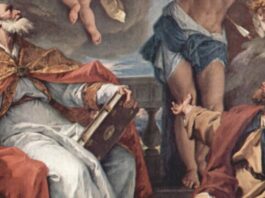
Saint Gamaliel was a prominent Pharisee and renowned legal scholar during the New Testament era, known for his profound influence in Jewish religious affairs.

The Bible’s book of Acts, specifically in Acts 5:34, describes him as counseling the Sanhedrin, the highest Jewish tribunal, to spare the lives of Saint Peter and the Apostles. They had defied Jewish authorities by continuing to preach, and despite potential backlash, the Sanhedrin heeded Gamaliel’s advice due to his high standing and authority.

It’s also in the Acts, specifically Acts 22:3, that we discover Saint Paul was a student of Gamaliel. However, the exact extent and nature of his influence on the future apostle remain unclear. Many believe Gamaliel is the same person as a respected Jewish legal scholar with the same name, who passed away eighteen years before Jerusalem’s destruction. Like his grandfather, Hillel, this Gamaliel was known as “the Elder” in the Talmud and was the first to be honored with the title “Rabban,” or “our master.”

According to the Talmud, Gamaliel played a crucial role in the Jewish high tribunal and initiated numerous legal ordinances. He had a son named Simeon, named after his own father, and a daughter who married a priest named Simon ben Nathanael. The Talmud states that Gamaliel remained a Pharisee until his death, leading to the declaration, “When he died, the honour of the Torah (the law) ceased, and purity and piety became extinct.”

Interestingly, early ecclesiastical traditions suggest that Gamaliel might have secretly converted to Christianity while still serving on the Sanhedrin, discreetly supporting his fellow Christians. Photius, a notable scholar, suggests that Gamaliel, along with his son and Nicodemus, was baptized by Saint Peter and Saint John. According to legend, Gamaliel’s body, said to be miraculously discovered in the fifth century, is currently preserved in Pisa, Italy.

Photo credit: Public Domain via Wikimedia Commons

Love uCATHOLIC?
Get our inspiring content delivered to your inbox every morning – FREE!

The post Saint Gamaliel appeared first on uCatholic.

Daily Reading


Daily Meditation


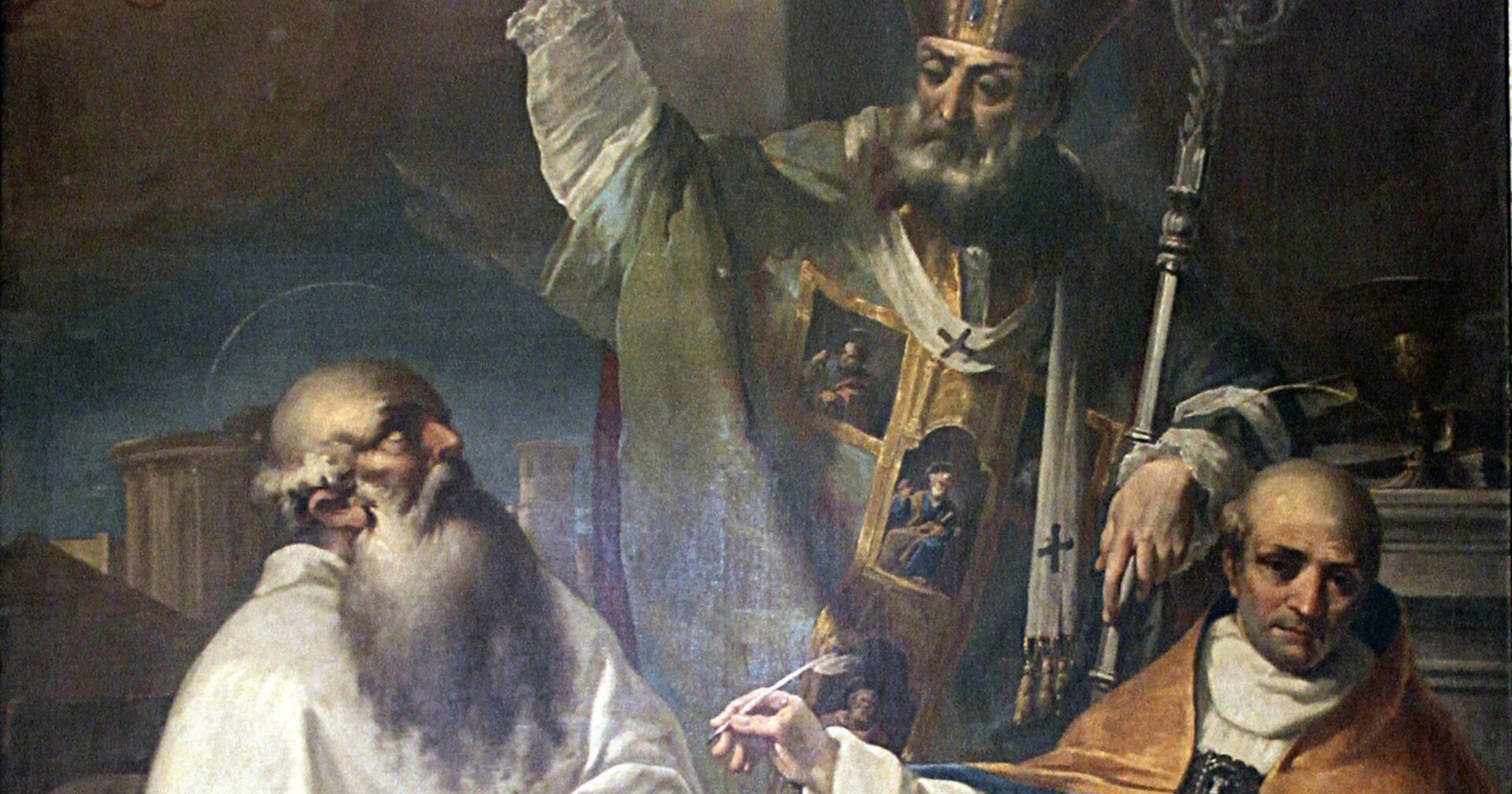
Saint Eusebius of Vercelli, originally from Sardinia, Italy, had a notable life that was marked by his strong faith and resilient stand against heresy. Following the martyrdom of his father, Eusebius’ mother relocated the family to Rome, where Eusebius spent his formative years and served as a lector. Subsequently, he moved to Vercelli in the Piedmont region of Italy, where his unwavering service to the Church resulted in his election as the city’s first Bishop.

In 355, Eusebius participated in a council in Milan, convened by Emperor Constantius. With the Emperor’s backing, the Arian bishops intended to label St. Athanasius, a staunch defender of Christian orthodoxy, as a heretic. Eusebius, together with St. Dionysius, staunchly opposed this wrongful condemnation.

Despite the Emperor’s pressure, Eusebius firmly refused to sign off on Athanasius’ condemnation. As a consequence, he was banished and first exiled to Scythopolis in Palestine. There, he endured intense persecution at the hands of the Arian bishop Patrophilus, who not only had him imprisoned but also starved him. Adding insult to injury, the Arians also paraded him semi-naked through the streets, heaping mockery and insults upon him.

Further periods of exile followed in Cappadocia and then Thebaid in Upper Egypt. Yet, throughout these tribulations, Eusebius remained a steadfast advocate of the true Faith, maintaining correspondence with other bishops and urging them to stay faithful.

The tides turned in 361 when Emperor Julian ascended to power and allowed all the exiled bishops to return. Eusebius traveled to Alexandria to discuss with St. Athanasius the possibility of convening a synod. The synod was subsequently held there in 362 under their joint leadership.

After the synod, Eusebius journeyed to Antioch and Illyricum, reaffirming the wavering faithful and guiding those who had gone astray back to the fold. By 363, he returned to Italy and collaborated with St. Hilary of Poitiers, a passionate crusader against Arianism in the Western Church. Finally, after a prolonged absence, Eusebius returned to his Bishopric in Vercelli, where he passed away on August 1, 371.

In recognition of his enduring faith and the hardships he underwent, the Church bestowed upon him the title of martyr.

Photo credit: Public Domain via Wikimedia Commons 

Love uCATHOLIC?
Get our inspiring content delivered to your inbox every morning – FREE!

The post Saint Eusebius of Vercelli appeared first on uCatholic.

Daily Reading


Daily Meditation


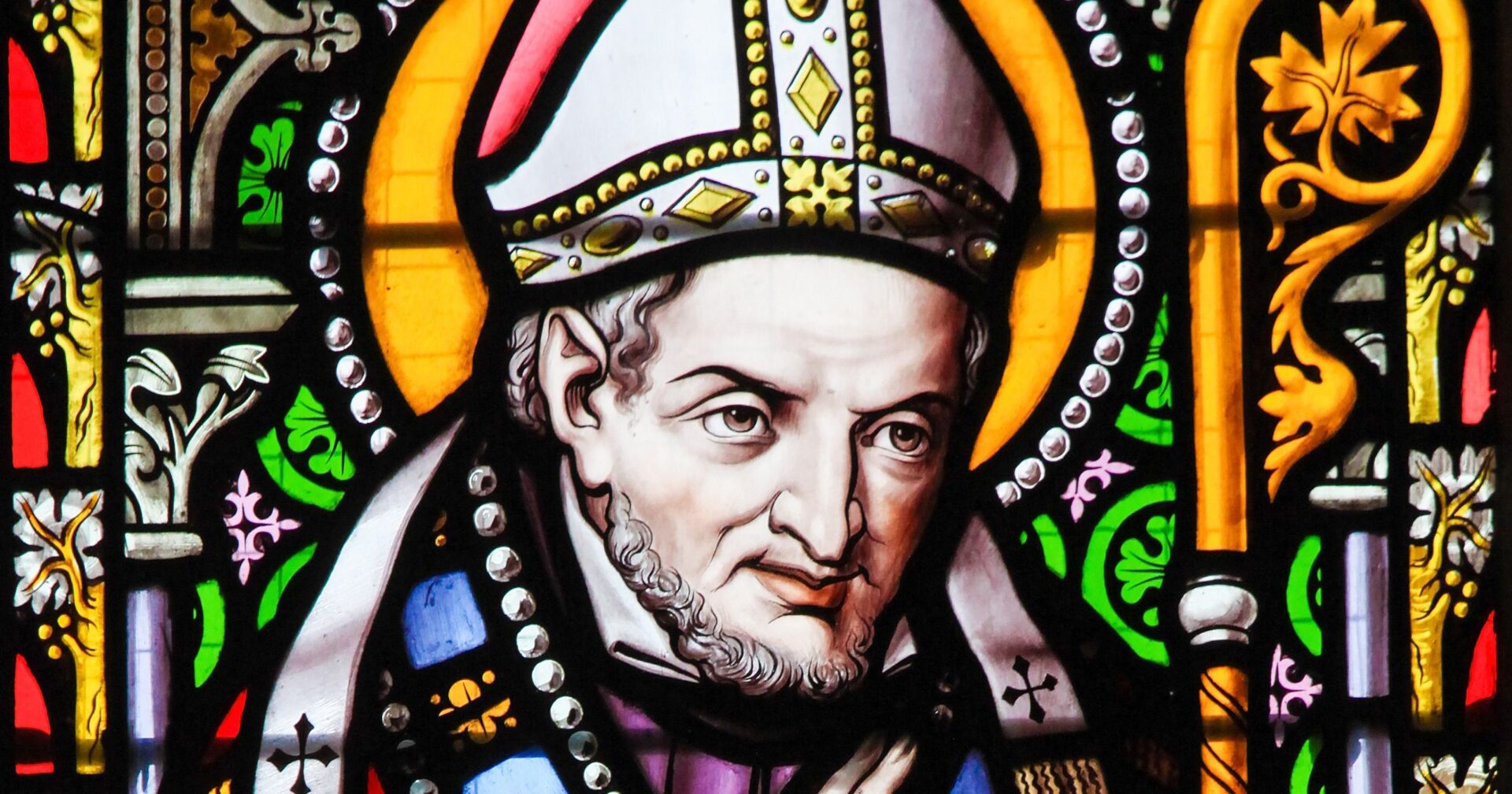
Saint Alphonsus Liguori, born in 1732 near Naples, Italy, was known for his studious nature and diligent work ethic. He earned a law degree and went on to establish a notable legal career. However, a legal mistake prompted a significant shift in his life. It validated his inner thoughts that he was meant for a different calling – priesthood.

Despite his father’s pleas to reconsider, Alphonsus was resolute in his decision. He embarked on his journey into priesthood, a journey filled with ceaseless activity. Alphonsus preached, penned books, and even founded a religious group, the Redemptorists.

Known for his wise spiritual guidance, he brought solace to people through the sacrament of Reconciliation. His talents went beyond preaching and counseling; he wrote hymns, played the organ, and even painted. The breadth of his accomplishments is made even more remarkable by his output of sixty books, despite being frequently unwell with headaches and other illnesses.

In terms of his temperament, Alphonsus was naturally quick-tempered but strived for self-control. His humility was such that when offered the position of bishop by Pope Pius VI, he initially declined. When told he was the pope’s choice, the pope’s messengers addressed him as “Most illustrious Lord.” Alphonsus politely requested they refrain from using that title, saying it would “kill him.”

Eventually, he accepted the bishop’s role, understanding that it was the pope’s wish. He sent numerous preachers throughout his diocese to remind people of God’s love and the importance of their faith. Alphonsus always advised his priests to preach sermons that even the simplest congregation member could comprehend, stating, “I never preached a sermon that the simplest old woman in the church could not understand.”

As he aged, Saint Alphonsus was burdened by illness. Arthritis made him crippled, and he became nearly deaf and blind. Despite these hardships, his devotion to the Blessed Mother, as evidenced in his renowned book, the Glories of Mary, remained unwavering. His trials were met with peace, joy, and a holy death.

St. Alphonsus passed away in 1787, aged ninety-one. He was canonized by Pope Gregory XVI in 1839, and in 1871, Pope Pius IX declared him a Doctor of the Church.

Editorial credit: jorisvo / Shutterstock.com

Love uCATHOLIC?
Get our inspiring content delivered to your inbox every morning – FREE!

The post Saint Alphonsus Liguori appeared first on uCatholic.

Daily Reading


Daily Meditation


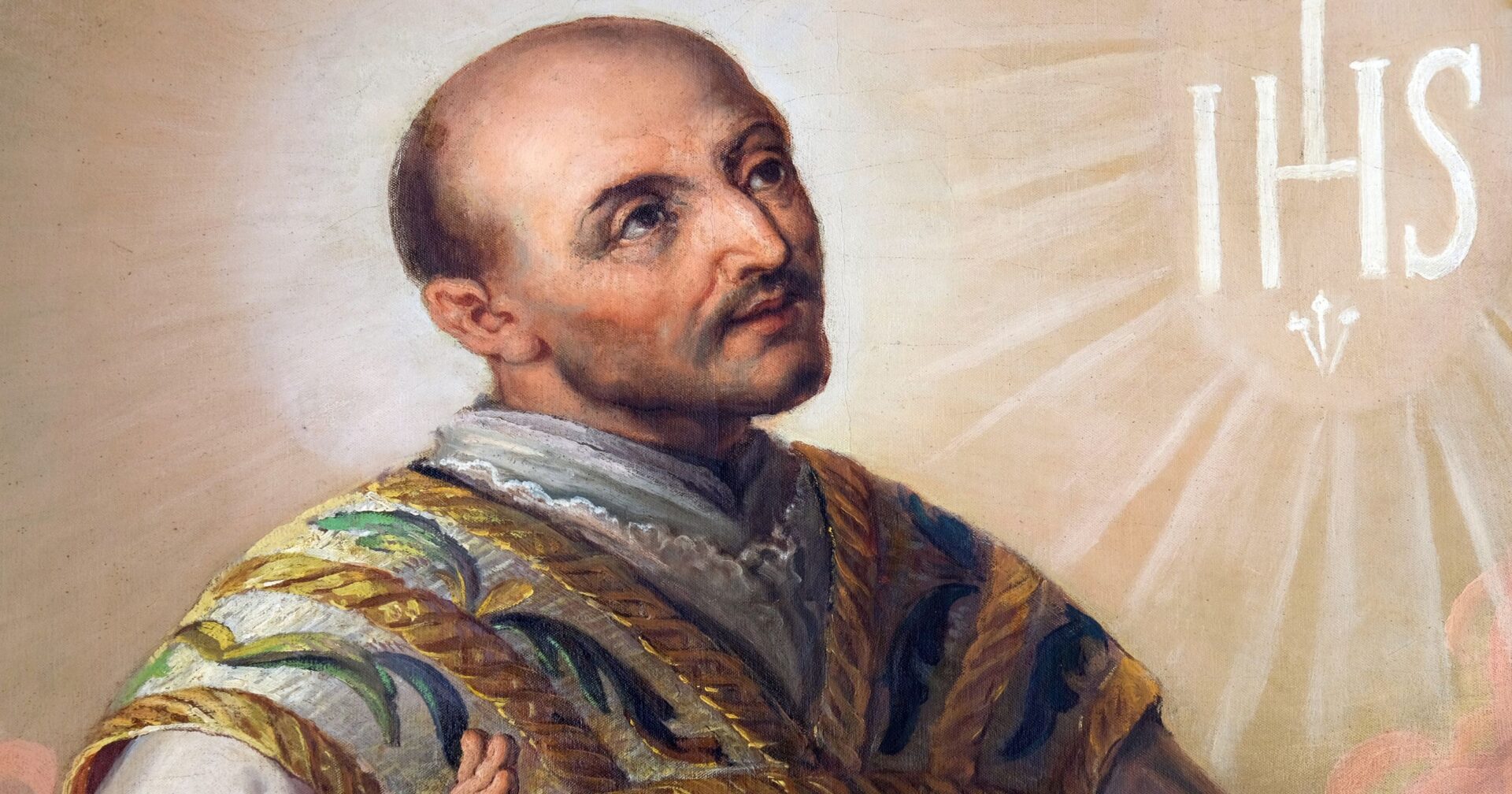
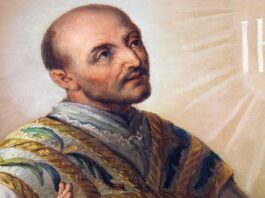
Saint Ignatius of Loyola, whose birth name was Íñigo Oñaz López de Loyola, was born into nobility and spent his early years in a prominent courtier’s household. In 1517, he made a shift from court life to the military. While recovering from a severe injury in 1521, he experienced a religious conversion after reading a biography of Jesus.

Following this transformation, Ignatius traveled to Montserrat for confession and absolution, then moved on to Manresa. In 1523, he attempted a journey to the Holy Land but was barred from entering Palestine. This setback led him to decide on pursuing an education.

Between 1524 and 1528, he studied at Barcelona, Alcalá, and Salamanca. His time in Alcalá and Salamanca included brief imprisonments due to suspicions raised by the Inquisition. His studies concluded in Paris. Rather than excelling in academics, Ignatius proved to be a spiritual guide. Despite further inquiries by the Inquisition, he was absolved of any wrongdoings.

Together with six others, including St. Francis Xavier and Diego Lainez, Ignatius pledged vows of poverty and chastity. This group would become the core of the Jesuits. Initially, they aimed to live in Christ’s footsteps in the Holy Land, seeking to convert Muslims. But the outbreak of the Turkish wars redirected them to Rome. Once in Rome, they were ordained in 1537 and commenced work under the pope’s direction in 1538.

In 1539, Ignatius outlined a new order’s formula, securing papal approval for it in 1540. This formula would later underpin the Jesuits’ governance Constitutions, published posthumously. In 1541, Ignatius was chosen as the order’s general, leading it from Rome until his passing. Despite the Jesuits playing a crucial role in the Counter Reformation, it was not their primary objective. Ignatius seemed more invested in foreign missions and youth education. During his life, numerous schools were established in Europe, and missions started in Japan, India, and Brazil.

Ignatius was driven by a lifelong wish to emulate Christ. His book, the “Spiritual Exercises”, written over many years, contains a range of reflections, conscience examinations, and prayers. These are organized into four stages towards achieving mystical union with God. The spirituality associated with Ignatius highlights the importance of human initiative. His book is a highly valued resource in Christian mysticism and continues to be a go-to guide for devout Catholics. His “soldier of Christ” idea, often perceived as overly militaristic, is more accurately an echo of St. Paul’s words in Ephesians 6:10-17. Ignatius’s final resting place is the Gesù in Rome. He was canonized in 1622.

Editorial credit: Zvonimir Atletic / Shutterstock.com

Love uCATHOLIC?
Get our inspiring content delivered to your inbox every morning – FREE!

The post Saint Ignatius Loyola, Founder of the Jesuits appeared first on uCatholic.

Daily Reading


Daily Meditation


A man who vigorously pursues a goal may produce results far beyond his expectations and his intentions. Thus it was with Peter of the Golden Words, as he was called, who as a young man became bishop of Ravenna, the capital of the empire in the West.

At the time there were abuses and vestiges of paganism evident in his diocese, and these he was determined to battle and overcome. His principal weapon was the short sermon, and many of them have come down to us. They do not contain great originality of thought. They are, however, full of moral applications, sound in doctrine and historically significant in that they reveal Christian life in fifth-century Ravenna. So authentic were the contents of his sermons that, some 13 centuries later, he was declared a doctor of the Church by Pope Benedict XIII. He who had earnestly sought to teach and motivate his own flock was recognized as a teacher of the universal Church.

In addition to his zeal in the exercise of his office, Peter Chrysologus was distinguished by a fierce loyalty to the Church, not only in its teaching, but in its authority as well. He looked upon learning not as a mere opportunity but as an obligation for all, both as a development of God-given faculties and as a solid support for the worship of God.

Some time before his death, St. Peter returned to Imola, his birthplace, where he died around A.D. 450.

Photo credit: Jbribeiro1 via Wikimedia Commons

Love uCATHOLIC?
Get our inspiring content delivered to your inbox every morning – FREE!

The post Saint Peter Chrysologus appeared first on uCatholic.

Daily Reading


Daily Meditation


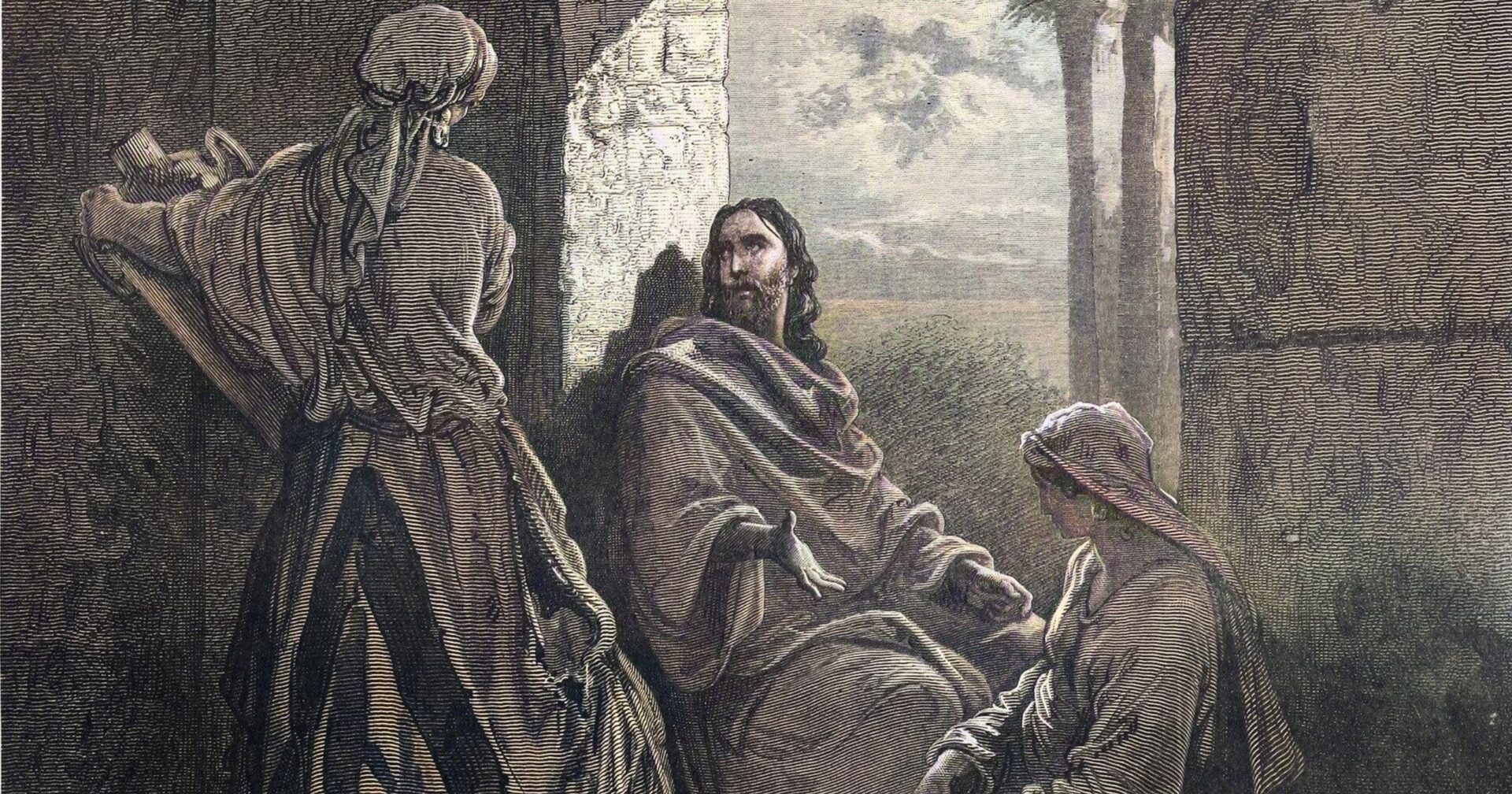
Saint Martha, sister to Mary and Lazarus, resided in Bethany, a small town close to Jerusalem. The trio is known as holy disciples for hosting Jesus Christ frequently during his public ministry. Martha, the apparent eldest, took the primary responsibility of managing their household. Their family was well-known in the region, as revealed by the story of Lazarus’s resurrection.

On Jesus’s first known visit, Martha demonstrated great diligence and hospitality. Neglecting her status and wealth, she personally attended to Jesus and his holy company. Meanwhile, Mary chose to remain at Jesus’s feet, deeply engrossed in his divine teachings. She found such profound joy and spiritual upliftment in his words that she disregarded worldly concerns. Her heart lit up with love for his divine wisdom, echoing the sentiment expressed in the Canticles: “My beloved to me, and I to him.”

St. Austin likens their house to the family of God on Earth, with every servant engaged in various tasks. Some were engaged in a contemplative life, while others led an active life through serving the poor or pursuing their professions, seeing them as their divine calling. St. Austin suggests that the true measure of a saint, regardless of their lifestyle, is the purity, intensity, and perfection of their love for God and fellow beings.

However, the question of whether a contemplative or an active life is more perfect has been debated. St. Thomas, drawing upon the lives of Christ and his apostles, suggested that a life that combines both – contemplation and action – is most excellent. This ‘mixed life’ involves the exterior functions of guiding, aiding, and comforting others, underpinned by a profound spirit of prayer and contemplation.

Those wishing to live this ‘mixed life’ should prepare themselves with a period of intense religious solitude. Like Christ, who frequently sought solitude in the mountains, individuals leading a mixed life should maintain a connection with solitude and spiritual recollection. To lose this connection, as St. Bonaventure expressed, is akin to carrying “a dead soul in a living body.” This interior spirit must also animate those in worldly occupations and those devoted to serving Christ’s most vulnerable and afflicted followers, just as Martha served Christ himself.

Photo credit: Nicku / Shutterstock.com

Love uCATHOLIC?
Get our inspiring content delivered to your inbox every morning – FREE!

The post Saint Martha appeared first on uCatholic.

Daily Reading


Daily Meditation


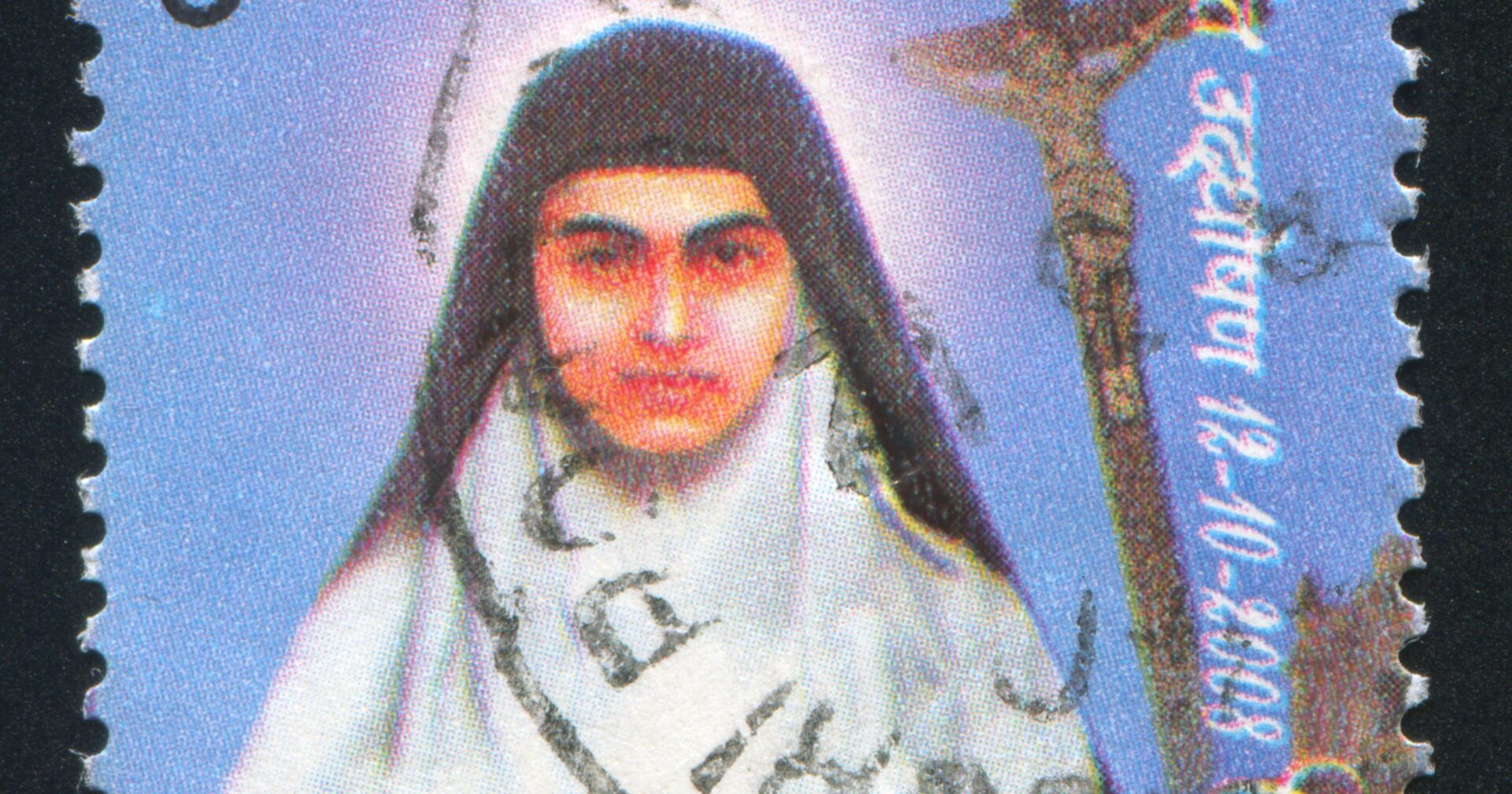
Saint Alphonsa, originally named Annakkutty (meaning ‘little Anna’), was born in Kudamaloor, a village located in the princely state of Travancore, India, during the British Raj period. This region is now known as the Kottayam district in Kerala. Her parents, Joseph and Mary Muttathupadathu, baptized her on August 27, 1910, at Saint Mary’s Church, Kudamaloor, in honor of Saint Anna.

After her mother’s untimely death, Annakkutty was raised by her maternal aunt. She began her formal education in Arpookara in 1916 and received her First Communion on November 27, 1917. Later in 1918, she transferred to a school in Muttuchira. In 1923, Annakkutty suffered a severe accident, falling into a pit of burning chaff, which resulted in permanent damage to her feet.

Despite her physical impediment, Annakkutty was determined to join the Franciscan Clarist Congregation. On Pentecost 1927, she arrived at the Poor Clares convent at Bharananganam. She took the name Alphonsa on August 2, 1928, when she received the postulant’s veil. In May 1929, Alphonsa attended the Malayalam High School at Vazhappally. The following year, her foster mother passed away.

Alphonsa received her religious habit at Bharananganam on May 19, 1930, and soon after, she resumed her education at Changanacherry. She also worked as a temporary teacher at Vakakkad school. On August 11, 1931, she joined the novitiate, and five years later, on August 12, 1936, she took her permanent vows. Despite her frail health, which often kept her away from teaching, Alphonsa served as an elementary school teacher.

In December 1936, Alphonsa reportedly recovered from her illness through the intercession of Blessed Kuriakose Elias Chavara. However, her health was again compromised after a severe pneumonia attack in 1939, and a traumatic incident involving a thief in 1940. Although she regained her memory by September 1941, she continued to struggle with her health and developed a stomach ailment in 1945 that led to severe vomiting.

On July 28, 1946, at the age of 35, Saint Alphonsa passed away and was buried in Bharananganam, Travancore (now Kerala) in the Diocese of Palai. Today, her tomb has become a pilgrimage site, as several faithful have reported miracles attributed to her. The miracle that led to her canonization by the Vatican was the healing of an infant’s club foot in 1999.

Editorial credit: rook76 / Shutterstock.com

Love uCATHOLIC?
Get our inspiring content delivered to your inbox every morning – FREE!

The post Saint Alphonsa appeared first on uCatholic.

Daily Reading


Daily Meditation