Click here for daily readings

Growing up in the 80s, I heard the phrase “Your Momma Wears Combat Boots” a lot. I didn’t quite understand what it meant, but I knew if a sentence started with “your momma,” it was going to be an insult. Stand-up comics leaned into it: your momma is so ugly… so fat… so…”. Insults to mothers have been around for a long time, causing real pain and often brawls. At the core, no one likes their mother being dishonored. Not me. Not you. And not Jesus.

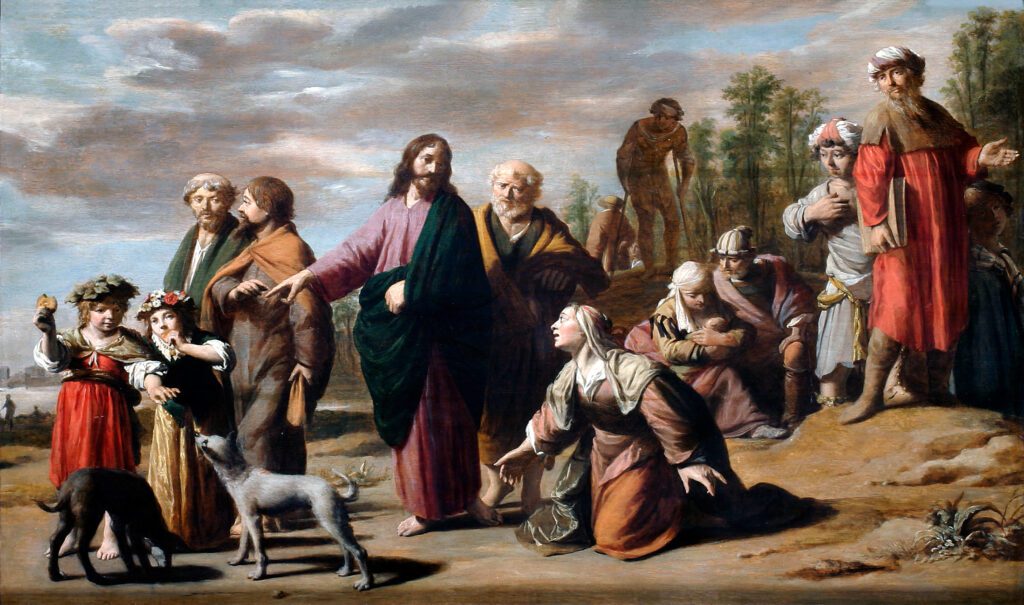
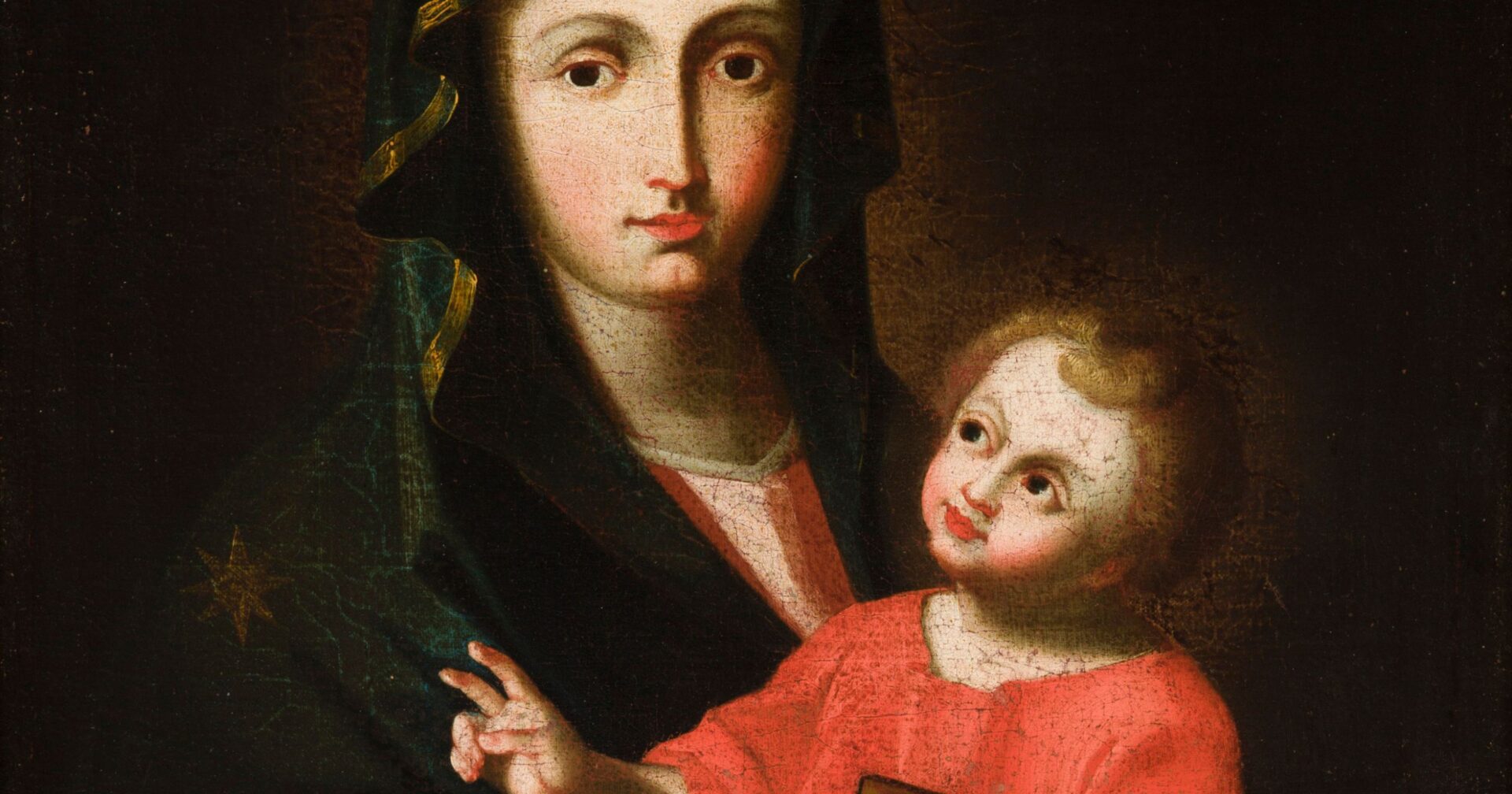
Today, as we celebrate the Memorial of Our Lady of Fatima, the optional Gospel reading depicts a striking moment. A woman in the crowd calls out to Jesus, “Blessed is the womb that carried you.” In a world where bloodlines mattered deeply, it made sense to believe that being biologically connected to Jesus would bring special blessing.

While we know Mary is blessed, Jesus corrects the woman. He explains that His Mother is not blessed simply because she gave birth to Him, but because she heard the word of God and obeyed it. I have heard this passage misinterpreted many times, as if Jesus were diminishing His Mother. In reality, He is doing the opposite. He elevates her, holding her up as the ultimate example of virtue.

By hearing God and faithfully following His will, Mary shows us the path we are meant to imitate. In doing so, Jesus tells us, we too can be blessed. And yet, over the next 1,900 years, Jesus saw many break away from His Mother. As the Church splintered, Mary became something people used to distance themselves from Catholic belief. She was ignored, diminished, and disrespected.

It seems Jesus decided something had to be done.  And at Fatima, great miracles revealed how deeply He cared for His Mother’s wounded heart. When the Child Jesus later appeared with his Mother saying, “Have compassion on the Heart of your most holy Mother, covered with thorns which ungrateful men pierce at every moment,” we see just how saddened He is by this disrespect. Together, Jesus and Mary then gave us a way to make reparation through the First Saturday Devotion.

Mothers are strong but also vulnerable. I remember someone insulting my mother once, and I can still feel the sting. While Mary can take the hits, each one pierces her heart, therefore hurting Jesus. I don’t think Mary needs combat boots to stomp the head of the snake, but she does invite us to help make reparation and heal her heart.

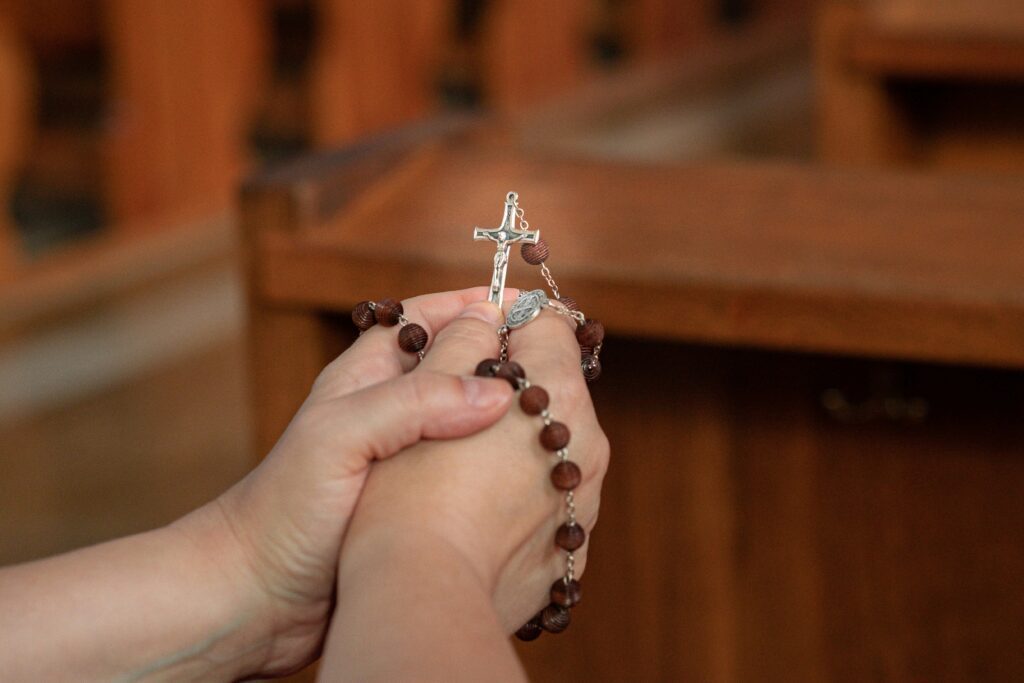
Resolve now to plan for the First Saturday Devotion. On five consecutive first Saturdays do the following: 1) Go to Confession (within about a week), 2) Receive Holy Communion, 3) Say five decades of the Rosary, 4) Meditate for 15 minutes on the mysteries of the Rosary.

Contact the Author


Creciendo en los años 80, escuchaba mucho la frase “Tu madre usa botas militares”. No entendía del todo lo que significaba, pero sabía que si una frase empezaba con “tu madre”, iba a ser un insulto. Los comediantes se aprovechaban de ello: “Tu madre es tan fea… tan gorda… tan…”. Los insultos a las madres existen desde hace mucho tiempo, causando verdadero dolor y a menudo peleas. En el fondo, a nadie le gusta que deshonren a su madre. Ni a mí. Ni a ti. Ni a Jesús.

Hoy, mientras celebramos la conmemoración de Nuestra Señora de Fátima, la lectura del Evangelio opcional describe un momento impactante. Una mujer entre la multitud le grita a Jesús: “¡Dichosa la mujer que te llevó en su seno!” En un mundo donde el linaje era de suma importancia, tenía sentido creer que estar biológicamente conectado a Jesús traería una bendición especial.

Si bien sabemos que María es bienaventurada, Jesús corrige a la mujer. Explica que su Madre no es bienaventurada simplemente por haberlo dado a luz, sino porque escuchó la palabra de Dios y la obedeció. He escuchado este pasaje malinterpretado muchas veces, como si Jesús estuviera menospreciando a su Madre. En realidad, está haciendo todo lo contrario. La exalta, presentándola como el máximo ejemplo de virtud.

Al escuchar a Dios y seguir fielmente su voluntad, María nos muestra el camino que debemos imitar. Al hacerlo, Jesús nos dice que nosotros también podemos ser bienaventurados. Sin embargo, a lo largo de los siguientes 1900 años, Jesús vio a muchos alejarse de su Madre. A medida que la Iglesia se fragmentaba, María se convirtió en un símbolo que algunos usaban para distanciarse de la fe católica. Fue ignorada, menospreciada e irrespetada.

Parece que Jesús decidió que algo tenía que hacerse. Y en Fátima, grandes milagros revelaron cuánto le importaba el corazón herido de su Madre. Cuando el Niño Jesús apareció más tarde con su Madre diciendo: “Tengan compasión del Corazón de su Santísima Madre, cubierto de espinas que los hombres ingratos le clavan a cada momento”, vemos cuán entristecido está por esta falta de respeto. Juntos, Jesús y María nos dieron una manera de reparar este daño a través de la Devoción de los Cinco Primeros Sábados.

Las madres son fuertes, pero también vulnerables. Recuerdo que una vez alguien insultó a mi madre, y todavía siento el dolor. Si bien María puede soportar los golpes, cada uno hiere su corazón, hiriendo así también a Jesús. No creo que María necesite botas militares para aplastar la cabeza de la serpiente, pero sí nos invita a ayudar a reparar el daño y sanar su corazón.

Propóngase ahora planificar la Devoción de los Cinco Primeros Sábados. Durante cinco primeros sábados consecutivos, haga lo siguiente: 1) Confesarse (en un plazo de una semana aproximadamente), 2) Recibir la Sagrada Comunión, 3) Rezar cinco decenas del Rosario, 4) Meditar durante 15 minutos sobre los misterios del Rosario.

Comunicarse con la autora


Margaret Gartlgruber longs to help women trade guilt for grace and know: You are enough! God delights not in your accomplishments but in YOU simply being you! Mom, wife, author, blogger, speaker, lay RC member, Margaret has published chapters in books: Cloud of Witnesses – St. Monica, and Crowned with Grace Our Lady of Fatima. Read her blog: https://ruledbybananas.com/ and get free 15 Simple Morning Prayers.

Feature Image Credit: Stock Image, art.diocesan.com/stock-photo/our-lady-of-fatima-16884/

The views and opinions expressed in the Inspiration Daily blog are solely those of the original authors and contributors. These views and opinions do not necessarily represent those of Diocesan, the Diocesan staff, or other contributors to this blog.

Daily Reading


Saint of the Day


Click here for daily readings

In today’s Gospel, Jesus tells the disciples he must go so the Holy Spirit will be sent. The word for the Holy Spirit in the NABRE version of the Bible is “Advocate.”  Other names given to the Holy Spirit include Comforter, Counselor, Helper, Paraclete, and Consoler. Maybe it’s my legal training, but “advocate” is my favorite description of the Holy Spirit.  

When I hear the word advocate I envision someone working for and fighting for a person to ensure them justice and fairness. Black’s Law Dictionary defines an advocate as “one who assists, defends, or pleads for another.”  As an attorney, I know the power of these actions and what it means to a person to have a strong advocate by their side.  

When I pray, I think of Jesus as love, mercy, compassion, and the Holy Spirit fighting for me and my family.  As my children have grown into teenagers and young adults, my anxiety levels have increased, witnessing my kids struggle with life-changing, potentially serious issues.  The same can be said as I care for my aging parents. Knowing that God sent us an Advocate is a great comfort as I continue parenting and caregiving my family.  The Holy Spirit is God in the Trinity, assisting, defending, and pleading for us, including my family.  The Advocate is the most potent ally we can have in our corner to call upon. 

An advocate can change a person’s life, not just an outcome but also an attitude, outlook, comfort, and response. We can call on the Holy Spirit to advocate for our family and loved ones when we are anxious and be reassured that He is with them, fighting for them, always. 

When I worry or become anxious, I pray simply, “Come Holy Spirit!  Be my Advocate.”

What is your favorite name for the Holy Spirit?

Contact the Author


En el Evangelio de hoy, Jesús les dice a sus discípulos que tiene que irse para que el Espíritu Santo sea enviado. La palabra que se usa para el Espíritu Santo en la versión NABRE de la Biblia es “Abogado”. Otros nombres que se le dan al Espíritu Santo incluyen Consolador, Consejero, Ayudador, Paráclito y Aliviador. Quizás sea por mi formación en Derecho, pero “abogado” es mi descripción favorita del Espíritu Santo.

Cuando escucho la palabra abogado, imagino a alguien que trabaja y lucha por una persona para garantizarle la justicia y la equidad. El Diccionario de Derecho de Black define a un abogado como “aquel que asiste, defiende o intercede por otro”. Como abogada, conozco el poder de estas acciones y lo que significa para una persona tener un buen abogado a su lado.

Cuando rezo, pienso en Jesús como amor, misericordia, compasión, y en el Espíritu Santo luchando por mí y por mi familia. A medida que mis hijos han crecido y se han convertido en adolescentes y jóvenes adultos, mis niveles de ansiedad han aumentado al verlos lidiar con problemas trascendentales y potencialmente graves. Lo mismo ocurre al cuidar de mis padres ancianos. Saber que Dios nos envió un Abogado es un gran consuelo mientras continúo criando a mis hijos y cuidando a mis familiares. El Espíritu Santo es Dios en la Trinidad, asistiendo, defendiendo e intercediendo por nosotros, incluida mi familia. El Abogado es el aliado más poderoso que podemos tener a nuestro lado.

Un abogado puede cambiar la vida de una persona, no solo el resultado, sino también su actitud, perspectiva, consuelo y respuesta. Podemos invocar al Espíritu Santo para que interceda por nuestra familia y seres queridos cuando estamos ansiosos y tener la seguridad de que Él está con ellos, luchando por ellos, siempre.

Cuando me preocupo o me pongo ansiosa, simplemente rezo: “¡Ven, Espíritu Santo! Sé mi Abogado”.

¿Cuál es tu nombre favorito para el Espíritu Santo?

Comunicarse con la autora


Lisa Henley Jones is a wife, mom, and native Texan. Her life is influenced by her Catholic faith and she shares it through writing and on her podcast, Of Sound Mind and Spirit, together with her sister, Shelly Kelly. For fun, Lisa enjoys reading, walking, dating her husband, and wearing the college colors of her young adult kids.

Feature Image Credit: Johannes Plenio, unsplash.com/photos/white-bird-flying-under-cloudy-sky-during-daytime-kT4yuuGeeTE

The views and opinions expressed in the Inspiration Daily blog are solely those of the original authors and contributors. These views and opinions do not necessarily represent those of Diocesan, the Diocesan staff, or other contributors to this blog.

Daily Reading


Saint of the Day


Click here for daily readings

In today’s first reading we hear the story of a rich woman named Lydia who hears the word of God and is not only changed by it, but immediately offers hospitality to the disciples. Hospitality, care for neighbors, and charity are all important principles of the Gospel message. Whenever I teach our OCIA class about the sacraments I try to make it a point that every sacrament is about two things, unity with God, and unity with our fellow man.

Here is one example to consider. After we receive Baptism, we are given a candle so we can go out and be a light to the world. This is what the disciples experienced after receiving the Holy Spirit and it’s what Lydia was living out in the passage today.

There is a reason that the Mass ends with the words, “The Mass is ended, go in peace.” It isn’t because we’re all super excited that Mass is finally over, but it’s a reminder that we are united with God through the Eucharist and we should go and share the love we have received with the world. 

One way in particular that I try to do this is by having people over. I really enjoy entertaining people and have always loved cooking. Even though I am secretly an introvert, I always want to make sure that people are enjoying themselves in any group setting. Even though it may be exhausting for me at times, I try my best to give the love I have been given out to others. 

None of us are perfect at this, but it is at the center of the Gospel message. This is why Jesus asked us to obey the two great commandments, love of God and love of neighbor. One flows from the other. If we believe that God made us in His image and likeness and that God is love, then it only follows that we will be most fully ourselves when we love others. Forget the fluffy sentimentality of Hallmark, I’m talking about willing the good and wanting the best for those around us. 

The question is, what is your gift? I have a gift for cooking and hope it shows people that I care. What is your gift? How is God asking you to care for and reach out to others? He has given us all this free gift of His love and mercy. How are we going to make sure we don’t squander that gift but that we actually share it? 

Just like Lydia in today’s first reading, let’s make it a point during this Easter season to accept the gifts that God has given us and then turn right around and share them with the world. Lydia made it clear how she was using her gifts when she said, “If you consider me a believer in the Lord, come and stay at my home.” What is God asking of you? 

From all of us here at Diocesan, God bless! 

Contact the author


En la primera lectura de hoy escuchamos la historia de una mujer rica llamada Lidia, quien escucha la palabra de Dios y no solo se transforma por ella, sino que inmediatamente ofrece hospitalidad a los discípulos. La hospitalidad, el cuidado del prójimo y la caridad son principios importantes del mensaje del Evangelio. Siempre que enseño sobre los sacramentos en la clase de OCIA (Orden de de Iniciación Cristiana para Adultos), procuro enfatizar que cada sacramento se trata de dos cosas: unidad con Dios y unidad con el prójimo.

Aquí tienen un ejemplo: después de recibir el Bautismo, se nos entrega una vela para que salgamos y seamos luz del mundo. Esto es lo que experimentaron los discípulos después de recibir el Espíritu Santo, y es lo que Lidia vivía en el pasaje de hoy.

La Misa termina con las palabras: “La Misa ha terminado, vayan en paz” por alguna razón. No es porque estemos todos muy contentos de que la Misa haya terminado, sino que es un recordatorio de que estamos unidos a Dios a través de la Eucaristía y debemos ir y compartir el amor que hemos recibido con el mundo.

Una forma particular en que intento hacer esto es invitando a gente a mi casa. Disfruto mucho de recibir invitados y siempre me ha encantado cocinar. Aunque en secreto soy introvertido, siempre me aseguro de que la gente se sienta a gusto en cualquier reunión. Aunque a veces me resulta agotador, hago todo lo posible por compartir el amor que he recibido con los demás.

Ninguno de nosotros es perfecto en esto, pero está en el centro del mensaje del Evangelio. Por eso Jesús nos pidió que obedeciéramos los dos grandes mandamientos: el amor a Dios y el amor al prójimo. Uno fluye del otro. Si creemos que Dios nos creó a su imagen y semejanza y que Dios es amor, entonces es lógico que seamos plenamente nosotros mismos cuando amamos a los demás. Olvídense del sentimentalismo superficial de las tarjetas de felicitación; me refiero a desear el bien y querer lo mejor para quienes nos rodean.

La pregunta es: ¿Cuál es tu don? Yo tengo el don de cocinar y espero que eso demuestre a la gente que me importan. ¿Cuál es tu don? ¿Cómo te pide Dios que cuides y te acerques a los demás? Él nos ha dado a todos este don gratuito de su amor y misericordia. ¿Cómo nos aseguraremos de no desperdiciar ese don, sino de compartirlo? 

Al igual que Lidia en la primera lectura de hoy, propongámonos durante esta temporada de Pascua aceptar los dones que Dios nos ha dado y compartirlos con el mundo. Lidia dejó claro cómo utilizaba sus dones cuando dijo: “Si están convencidos de que mi fe en el Señor es sincera, vengan a hospedarse en mi casa”. ¿Qué les pide Dios a ustedes?

De parte de todos nosotros en Diocesan, ¡que Dios los bendiga!

Comunicarse con el autor

Tommy Shultz is a Business Development Representative for Diocesan. In this role he is committed to bringing the best software to dioceses and parishes while helping them evangelize on the digital continent. Tommy has worked in various diocese and parish roles since his graduation from Franciscan University with a Theology degree. He hopes to use his skills in evangelization, marketing, and communications, to serve the Church and bring the Good News to all. His favorite quote comes from St. John Paul II, who said, “A person is an entity of a sort to which the only proper and adequate way to relate is love.”

Feature Image Credit: Edward Howell, unsplash.com/photos/cooked-food-on-white-ceramic-plate-vvUy1hWVYEA

The views and opinions expressed in the Inspiration Daily blog are solely those of the original authors and contributors. These views and opinions do not necessarily represent those of Diocesan, the Diocesan staff, or other contributors to this blog.

Daily Reading


Saint of the Day


Click here for daily readings

As Jesus prepares his closest friends for the profound grief of his Passion and Death, He gives them a great promise and the way to abide in that promise. They could not have known precisely what He meant, or what that would look like, but they held onto His words hoping that the fullness could unfold in them.

Jesus, Love Incarnate, loves His friends, and they love Him. How will they express this love when they can no longer see Him with their bodily eyes? He tells them they must continue to obey His teaching. “If you love me, you will keep my commandments.” We abide in the promise of Christ by humbly obeying the law of Love and following the will of God, by living out and imitating His self-giving love in our own lives.

But the promise is much more profound than just this “loving-by-obedience.” The promise is that if we love Him and keep His commandment of love, Jesus will not leave us to our own devices, ideas, resources, or strength. He – the One Who lives – will come to us. He will come to us not only to be among us as one of us, but to be truly with us, to be IN us. The One Who is IN the Father will be IN us, and we will be IN Him.

Those who love Christ truly will be truly loved by His Father. And the Son, Who loves what the Father loves, will love us, and reveal Himself to us. He is clear about this: “I am in my Father and you are in me and I in you.” This is not a mental conundrum or play on words, but the verbal expression of an infinite mystery: that God’s delight is to dwell in us, that our souls are alive in God, that we live and move and have our being in Christ, that our bodies are truly temples of the Most High, that our Baptism incorporates us into the very mystery of the Love of the Trinity. These are among the last words spoken by Jesus to his friends, straight from his Heart, before it is pierced and poured out. It is a summary of His whole desire, and a call to embrace the Promise.

While this is so familiar to us that we can forget how profound and mystifying it truly is, the Apostles would have to wait for the coming of the Advocate, the Holy Spirit, to plumb the mystery and bring it to the world. Then they understood that this supernatural intimacy can only be given by the Spirit  proceeding from the love of the Father and the Son. As we prepare for Pentecost, let us pray that we will be open to this working of the Spirit in our souls, and enter fully into the Promise of Christ.

Contact the author


Mientras Jesús prepara a sus amigos más cercanos para el profundo dolor de su Pasión y Muerte, les da una gran promesa y el camino para permanecer en ella. No podían saber con precisión lo que quería decir, ni cómo se manifestaría, pero se aferraron a sus palabras con la esperanza de que su plenitud se revelara en ellos.

Jesús, el Amor Encarnado, ama a sus amigos, y ellos lo aman a Él. ¿Cómo expresarán este amor cuando ya no puedan verlo con sus ojos físicos? Les dice que deben seguir obedeciendo sus enseñanzas. “Si me aman, cumplirán mis mandamientos”. Permanecemos en la promesa de Cristo obedeciendo humildemente la ley del Amor y siguiendo la voluntad de Dios, viviendo e imitando su amor abnegado en nuestras propias vidas.

Pero la promesa es mucho más profunda que simplemente “amar mediante la obediencia”. La promesa es que si lo amamos y guardamos su mandamiento del amor, Jesús no nos dejará sobrevivir según nuestra suerte, a nuestras propias ideas, recursos o fuerzas. Él, el que vive, vendrá a nosotros. Vendrá a nosotros no solo para estar entre nosotros como uno más, sino para estar verdaderamente con nosotros, para estar EN nosotros. El que está EN el Padre estará EN nosotros, y nosotros estaremos EN Él.

Quienes aman verdaderamente a Cristo serán verdaderamente amados por su Padre. Y el Hijo, que ama lo que el Padre ama, nos amará y se revelará a nosotros. Él es claro al respecto: “yo estoy en mi Padre, ustedes en mí y yo en ustedes”. Esto no es un enigma mental ni un juego de palabras, sino la expresión verbal de un misterio infinito: que el deleite de Dios es habitar en nosotros, que nuestras almas están vivas en Dios, que vivimos, nos movemos y existimos en Cristo, que nuestros cuerpos son verdaderamente templos del Altísimo, que nuestro Bautismo nos incorpora al misterio mismo del Amor de la Trinidad. Estas son algunas de las últimas palabras que Jesús les dijo a sus amigos, directamente desde su Corazón, antes de que fuera traspasado y derramado. Es un resumen de todo su deseo y una invitación a abrazar la promesa. 

Aunque esto nos resulta tan familiar que podemos olvidar lo profundo y misterioso que es en realidad, los Apóstoles tuvieron que esperar la venida del Paráclito, el Espíritu Santo, para comprender este misterio y anunciarlo al mundo. Entonces comprendieron que esta intimidad sobrenatural sólo puede ser otorgada por el Espíritu que procede del amor del Padre y del Hijo. Al prepararnos para Pentecostés, oremos para que estemos abiertos a la acción del Espíritu en nuestras almas y participemos plenamente de la promesa de Cristo.

Comunicarse con la autora

Kathryn Mulderink, MA, is married to Robert, Station Manager for Holy Family Radio. Together they have seven children (including Father Rob), and eleven grandchildren. She is President of the local community of Secular Discalced Carmelites and has published five books and many articles. Over the last 30 years, she has worked as a teacher, headmistress, catechist, Pastoral Associate, and DRE, and as a writer and voice talent for Catholic Radio. Currently, she serves the Church by writing and speaking, and by collaborating with various parishes and to lead others to encounter Christ and engage their faith. Her website is www.KathrynTherese.com
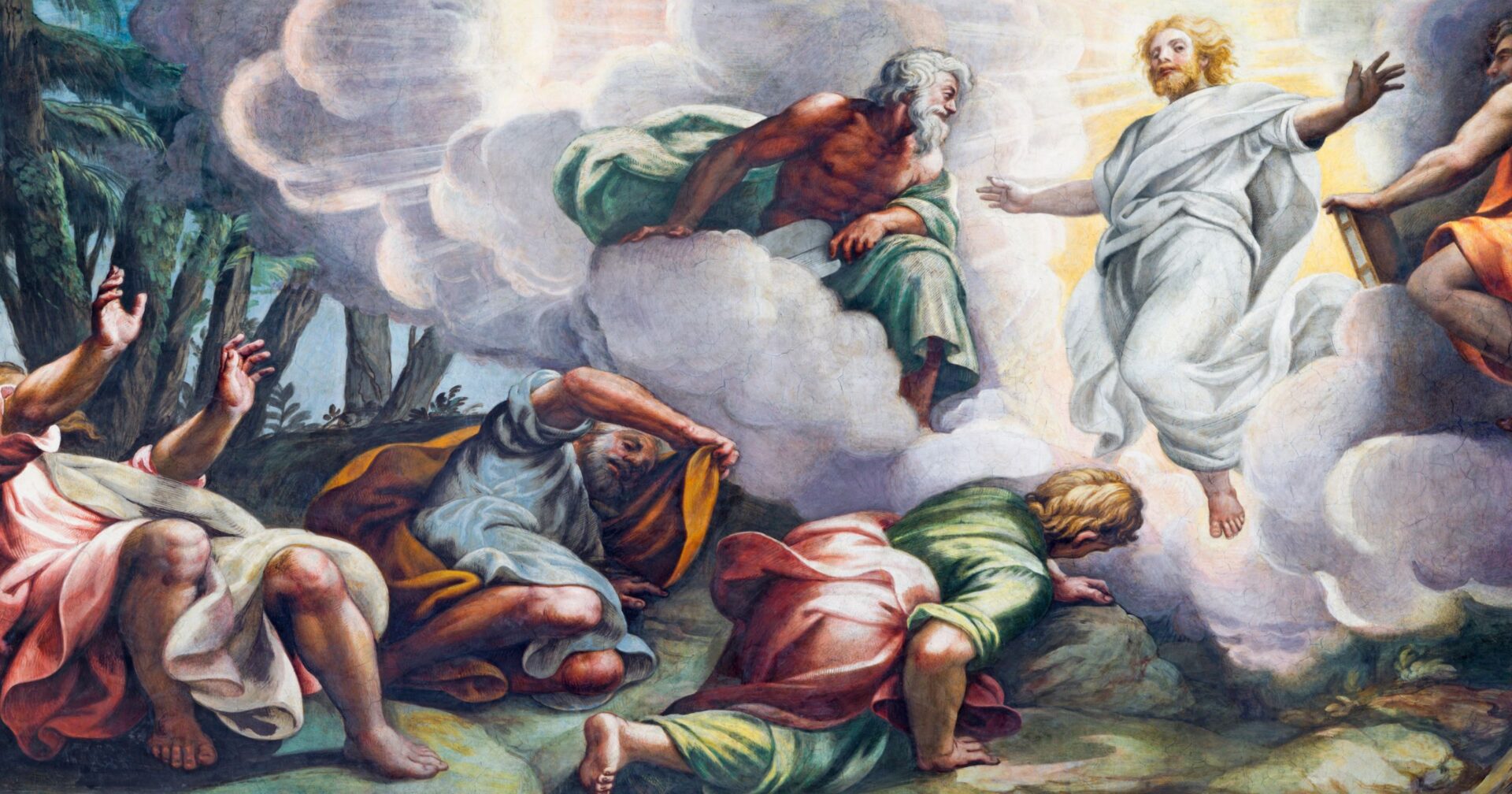
Feature Image Credit: Stock Art, art.diocesan.com/stock-photo/the-holy-trinity-framed–design-25178/

The views and opinions expressed in the Inspiration Daily blog are solely those of the original authors and contributors. These views and opinions do not necessarily represent those of Diocesan, the Diocesan staff, or other contributors to this blog.

Daily Reading


Saint of the Day


Click here for daily readings

“[Y]ou will weep…but your grief will become joy…and no one will take your joy away from you.”

Bold words from our Lord in this solemn assurance to His Apostles. This is only a fraction of His transformative words at the end of the Last Supper. In this passage alone, He announces three truths that transform how we see the world.

He begins with, “Amen, Amen, I say to you.” The repetition of “Amen” represents eternal certainty, the most definitive “so be it” that He can offer us. His next words are just as certain – definitive, unerasable, and inevitable. 

What is His first assurance? Not an easy one; “you will weep and mourn.” This hasn’t changed since the Apostles first heard it. Grief is one of the few universal human experiences. Pain, sorrow, mourning – whether through natural loss or harm from others – will be experienced by every person. We don’t even need Christ’s reminder to recognize pain in the world. As certainly as labor and childbirth are painful, we will experience the pain that life brings until the day we die.

But Christ doesn’t end there. He delivers two more promises that are even more important than the first. Unfortunately, because worldly grief seems inescapable, it is easy for us to forget His other promises. While grief is certain, it is not eternal. His other two promises to us are certain and eternal.

“[Y]our grief will become joy.”

It will. Not “it might” or “hopefully one day.” It will. As certainly as we grieve, we will rejoice. There is no depth of grief that His presence won’t heal and fill with joy. His joy is as certain as our grief, just as the joy of a new baby is as certain as the pain of delivery. 

And there’s more. “I will see you again … and no one will take your joy away from you.”

No one, and nothing. The presence of God eternal brings joy eternal. True, in this life, we experience that imperfectly. We haven’t reached the fullness of Heaven yet. But even the worst tragedies, the most painful trials, can’t lessen the joy of His presence in the Mass, or in Adoration, or through the Sacraments, or simply through the experience of true charity and love from others. 

This is His promise to His Apostles, and His beloved followers, and me, and you. We will grieve, but our grief will become joy, and no one will take our joy away. As long as we remain anchored to the source of eternal joy, God Himself, we are assured of His promises. 

Remember how it feels to be so loved by God that He promises you joy. That will sustain you, until the exile is over and we can return home. He is a good Father and He will carry us out of grief into joy.

Contact the author


“[L]lorarán… pero su tristeza se transformará en alegría… y nadie podrá quitarles su alegría.”

Palabras audaces de nuestro Señor en esta solemne promesa a sus apóstoles. Esto es solo una fracción de sus palabras transformadoras al final de la Última Cena. Solo en este pasaje, anuncia tres verdades que transforman nuestra visión del mundo.

Comienza diciendo: “Les aseguro”. Esta frase representa una certeza eterna, el “así sea” más definitivo que puede ofrecernos. Sus siguientes palabras son igual de ciertas: definitivas, imborrables e inevitables.

¿Cuál es su primera promesa? No es fácil: “llorarán y se entristecerán”. Esto no ha cambiado desde que los apóstoles lo escucharon por primera vez. El dolor es una de las pocas experiencias humanas universales. El dolor, la tristeza, el luto, ya sea por una pérdida natural o por el daño causado por otros, serán experimentados por todas las personas. Ni siquiera necesitamos el recordatorio de Cristo para reconocer el dolor en el mundo. Tan cierto como el parto es doloroso, experimentamos el dolor que la vida trae hasta el día de nuestra muerte.

Pero Cristo no termina ahí. Nos da dos promesas más que son aún más importantes que la primera. Desafortunadamente, como el dolor mundano parece ineludible, es fácil para nosotros olvidar sus otras promesas. Si bien el dolor es cierto, no es eterno. Sus otras dos promesas son ciertas y eternas.

“[S]u tristeza se transformará en alegría.”

Así será. No “quizás” ni “con suerte algún día”. Será. Tan cierto como sufriremos, nos regocijaremos. No hay profundidad de dolor que su presencia no sane y llene de alegría. Su alegría es tan cierta como nuestro dolor, así como la alegría de un bebé recién nacido es tan cierta como el dolor del parto.

Y hay más: “los volveré a ver… y nadie podrá quitarles su alegría.”

Nadie, ni nada. La presencia de Dios eterno trae alegría eterna. Es cierto que, en esta vida, la experimentamos imperfectamente. Todavía no hemos alcanzado la plenitud del Cielo. Pero ni siquiera las peores tragedias, las pruebas más dolorosas, pueden disminuir la alegría de su presencia en la Misa, en la Adoración, a través de los Sacramentos, o simplemente a través de la experiencia de la verdadera caridad y el amor de los demás.

Esta es su promesa a sus apóstoles, a sus amados seguidores, a mí y a ti. Sentiremos dolor, pero nuestro dolor se convertirá en alegría, y nadie nos arrebatará esa alegría. Mientras permanezcamos anclados a la fuente de la alegría eterna, Dios mismo, tenemos la seguridad de sus promesas.

Recuerda lo que se siente al ser tan amado por Dios que Él te promete alegría. Eso te sostendrá hasta que termine el exilio y podamos regresar a casa. Él es un buen Padre y nos sacará del dolor para llevarnos a la alegría.

Comunicarse con la autora

Hailing from Nashville, Catherine is a graduate of Christendom College with a lifelong passion for words. Her love of writing and her Catholic Faith continue to shape her as a freelance editor, copywriter, and (aspiring) novelist, where she pursues her passions for the love and greater glory of God.

Feature Image Credit: cottonbro studio, pexels.com/photo/woman-leaning-on-a-bench-6284260/

The views and opinions expressed in the Inspiration Daily blog are solely those of the original authors and contributors. These views and opinions do not necessarily represent those of Diocesan, the Diocesan staff, or other contributors to this blog.

Daily Reading


Saint of the Day


When he was barely old enough to wield a hoe, Saint Isidore the Farmer entered the service of John de Vargas, a wealthy landowner from Madrid, and worked faithfully on his estate outside the city for the rest of his life. He married a young woman as simple and upright as himself who also became a saint—Maria de la Cabeza. They had one son, who died as a child.

Isidore frequented Holy Mass every morning but often reported to work late. Late, though he was, his plowing was nevertheless accomplished by angels that resulted in three times more productivity. His coworkers and his boss witnessed such miraculous events and accorded Isidore with great respect.

All day long, as he walked behind the plow, he communed with God. Many marvelous happenings accompanied his lifelong work in the fields and continued long after his holy death. He was favored with celestial visions and, it is said, the angels sometimes helped him in his work in the fields.

He was known for his love of the poor, and there are accounts of Isidore’s supplying them miraculously with food. He had a great concern for the proper treatment of animals.

He died May 15, 1130, and was declared a saint in 1622 with Ignatius of Loyola, Francis Xavier, Teresa of Avila and Philip Neri. Together, the group is known in Spain as “the five saints.” St. Isidore has become the patron of farmers and rural communities. In particular he is the patron of Madrid, Spain, and of the United States National Rural Life Conference.

Editorial credit: Manuel Esteban / Shutterstock.com

Love uCATHOLIC?
Get our inspiring content delivered to your inbox every morning – FREE!

The post Saint Isidore the Farmer appeared first on uCatholic.

Daily Reading


Daily Meditation


Click here for daily readings

Jesus has chosen and called the twelve Apostles, shared all that He received from the Father, and left them instructions on how to continue to live faithfully in Him: to keep His commandment of self-giving love.

They could not comprehend everything at once, and we see often in the Gospels how they misunderstood what He said or held onto their previous understanding. The fullness of the Truth had to unfold within them and among them, through the Spirit that was sent to them and Whom they invoked. The early Church was prayerful, united, and ever deepening its understanding of the Gospel that was entrusted to it.

In the first reading, we see Peter leading in prayer the 120 faithful gathered together. Judas has betrayed the mission and then despaired of forgiveness. They understood the importance of having twelve Apostles, signaling that the “New Israel” (made of twelve tribes) was now here. Jesus had chosen the Twelve to express the truth that He came to renew and rebuild Israel around Himself, in a new and eternal Covenant, and He gave them authority in His name (Matt. 10:1-2). In the Kingdom of Heaven, the Twelve have their names inscribed on the twelve foundation stones of the holy city, because of their foundational role in establishing God’s Kingdom (Rev. 21:14).

So to complete their number, they seek another witness to spread the Gospel. It must be one who was a true witness, who had been with the disciples for the whole of Jesus’ public ministry. Together, they all prayed to know who it was that the Lord willed to fill this important role. Ultimately, Matthias was chosen to be counted as one of the Twelve.

In some ways, it might seem like Matthias is a “second-class citizen” of sorts, a second choice, a replacement for an original, even a placeholder. He certainly was not initially called into the “inner circle” of Jesus’ closest collaborators. But we see that he was faithful: he was seeking the truth from the baptism of John and accompanied Christ all along the way, until his Ascension into Heaven and beyond. He is still there with the early disciples, praying for the Holy Spirit to guide the Church.  And all along the way, even as others did not see him as an insider, God was preparing him for a pivotal role in salvation history. In the mysterious Providence of God, he was one of the twelve, an original witness to the Gospel, one of the twelve foundation stones of the Kingdom.

And we are also chosen. Our role is not fully known until our life on earth is finished, but the Lord has chosen each of us for His Kingdom, called us “to go and bear fruit that will last.” May we each embrace our vocation and serve this Kingdom with love and fidelity, with God’s glorious grace.

Contact the author


Jesús eligió y llamó a los doce Apóstoles, compartió con ellos todo lo que había recibido del Padre y les dejó instrucciones sobre cómo vivir fielmente en Él: guardar su mandamiento del amor abnegado.

No pudieron comprenderlo todo de inmediato, y a menudo vemos en los Evangelios cómo malinterpretaban lo que decía o se aferraban a sus ideas preconcebidas. La plenitud de la Verdad tenía que revelarse en ellos y entre ellos, a través del Espíritu que les fue enviado y a quien invocaban. La Iglesia primitiva era una comunidad de oración y unidad, y profundizaba constantemente en su comprensión del Evangelio que le había sido confiado.

En la primera lectura, vemos a Pedro dirigiendo la oración de los 120 fieles reunidos. Judas había traicionado la misión y luego fallado pedir perdón. Comprendieron la importancia de tener doce Apóstoles, lo que indicaba que el “Nuevo Israel” (compuesto por doce tribus) ya estaba presente. Jesús había elegido a los Doce para expresar la verdad de que había venido a renovar y reconstruir Israel en torno a sí mismo, en una nueva y eterna Alianza, y les dio autoridad en su nombre (Mateo 10,1-2). En el Reino de los Cielos, los nombres de los Doce están inscritos en las doce piedras fundamentales de la ciudad santa, debido a su papel fundamental en el establecimiento del Reino de Dios (Apocalipsis 21,14).

Para completar su número, buscaron otro testigo para difundir el Evangelio. Debía ser alguien que fuera un verdadero testigo, que hubiera estado con los discípulos durante todo el ministerio público de Jesús. Juntos, oraron para saber a quién quería el Señor para desempeñar este importante papel. Finalmente, Matías fue elegido para ser contado entre los Doce.

En cierto modo, podría parecer que Matías es una especie de “ciudadano de segunda clase”, una segunda opción, un reemplazo del original, incluso un simple sustituto. Ciertamente, no fue llamado inicialmente al “círculo íntimo” de los colaboradores más cercanos de Jesús. Pero vemos que fue fiel: buscó la verdad desde el bautismo de Juan y acompañó a Cristo durante todo su camino, hasta su Ascensión al Cielo y más allá. Todavía está allí con los primeros discípulos, orando para que el Espíritu Santo guíe a la Iglesia. Y a lo largo de todo el camino, incluso cuando otros no lo consideraban parte del círculo íntimo, Dios lo estaba preparando para un papel fundamental en la historia de la salvación. En la misteriosa providencia de Dios, él fue uno de los doce, un testigo original del Evangelio, una de las doce piedras angulares del Reino.

Y nosotros también hemos sido elegidos. Nuestro papel no se revelará por completo hasta que termine nuestra vida en la tierra, pero el Señor nos ha elegido a cada uno de nosotros para su Reino, nos ha llamado “a ir y dar fruto que permanezca”. Que cada uno de nosotros abrace su vocación y sirva a este Reino con amor y fidelidad, con la gloriosa gracia de Dios.

Comunicarse con la autora

Kathryn Mulderink, MA, is married to Robert, Station Manager for Holy Family Radio. Together they have seven children (including Father Rob), and eleven grandchildren. She is President of the local community of Secular Discalced Carmelites and has published five books and many articles. Over the last 30 years, she has worked as a teacher, headmistress, catechist, Pastoral Associate, and DRE, and as a writer and voice talent for Catholic Radio. Currently, she serves the Church by writing and speaking, and by collaborating with various parishes and to lead others to encounter Christ and engage their faith. Her website is www.KathrynTherese.com
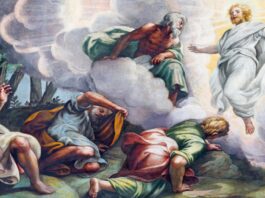
Feature Image Credit: Simon Bening, art.diocesan.com/stock-photo/panel-12-of-the-stein-quadriptych-25930/

The views and opinions expressed in the Inspiration Daily blog are solely those of the original authors and contributors. These views and opinions do not necessarily represent those of Diocesan, the Diocesan staff, or other contributors to this blog.

Daily Reading


Saint of the Day


Jesus’ choice of 12 Apostles points to a consciousness of a symbolic mission—originally there were 12 tribes of Israel—that the community maintained after the Crucifixion.

Acts reveals that Matthias accompanied Jesus and the Apostles from the time of the Lord’s Baptism to his Ascension and that, when it became time to replace Judas, the Apostles cast lots between Matthias and another candidate, St. Joseph Barsabbas.

St. Jerome and the early Christian writers Clement of Alexandria and Eusebius of Caesarea attest that Matthias was among the 72 disciples paired off and dispatched by Jesus. Soon after his election, Matthias received the Holy Spirit with the other Apostles (Acts 2:1–4). He is not mentioned again in the New Testament.It is generally believed that Matthias ministered in Judaea and then carried out missions to foreign places. Greek tradition states that he Christianized Cappadocia, a mountainous district now in central Turkey, later journeying to the region about the Caspian Sea, where he was martyred by crucifixion and, according to other legends, chopped apart.

His symbol, related to his alleged martyrdom, is either a cross or a halberd. St. Helena, mother of the Roman emperor Constantine the Great, reputedly transported Matthias’ relics from Jerusalem to Rome.

Editorial credit: Renata Sedmakova / Shutterstock.com

Love uCATHOLIC?
Get our inspiring content delivered to your inbox every morning – FREE!

The post Saint Matthias the Apostle appeared first on uCatholic.

Daily Reading


Daily Meditation


The Ascension of Our Lord, which occurred 40 days after Jesus Christ rose from the dead on Easter Sunday, is the final act of our redemption that Christ began on Good Friday. On this day, the risen Christ, in the sight of His apostles, ascended bodily into Heaven (Luke 24:51; Mark 16:19; Acts 1:9-11).

The reality of the Ascension is so important that the creeds (the basic statements of belief) of Christianity all affirm, in the words of the Apostles’ Creed, that “He ascended into heaven, sits at the right hand of God the Father almighty; from thence He shall come to judge the living and the dead.” The denial of the Ascension is as grave a departure from Christian teaching as is denial of Christ’s Resurrection.

Christ’s bodily Ascension foreshadows our own entrance into Heaven not simply as souls, after our death, but as glorified bodies, after the resurrection of the dead at the Final Judgment. In redeeming mankind, Christ not only offered salvation to our souls but began the restoration of the material world itself to the glory that God intended before Adam’s fall.

The Feast of the Ascension marks the beginning of the first novena, or nine days of prayer. Before His Ascension, Christ promised to send the Holy Spirt to His apostles. Their prayer for the coming of the Holy Spirit, which began on Ascension Thursday, ended with the descent of the Holy Spirit on Pentecost Sunday, ten days later.

The observance of this feast is of great antiquity. Although no documentary evidence of it exists prior to the beginning of the fifth century, St. Augustine says that it is of Apostolic origin, and he speaks of it in a way that shows it was the universal observance of the Church long before his time. Frequent mention of it is made in the writings of St. John Chrysostom, St. Gregory of Nyssa, and in the Constitution of the Apostles. The Pilgrimage of Sylvia (Peregrinatio Etheriae) speaks of the vigil of this feast and of the feast itself, as they were kept in the church built over the grotto in Bethlehem in which Christ was born (Duchesne, Christian Worship, 491-515).

It may be that prior to the fifth century the fact narrated in the Gospels was commemorated in conjunction with the feast of Easter or Pentecost. Some believe that the much-disputed forty-third decree of the Council of Elvira (c. 300) condemning the practice of observing a feast on the fortieth day after Easter and neglecting to keep Pentecost on the fiftieth day, implies that the proper usage of the time was to commemorate the Ascension along with Pentecost. Representations of the mystery are found in diptychs and frescoes dating as early as the fifth century.

Certain customs were connected with the liturgy of this feast, such as the blessing of beans and grapes after the Commemoration of the Dead in the Canon of the Mass, the blessing of first fruits, afterwards done on Rogation Days, the blessing of a candle, the wearing of mitres by deacon and subdeacon, the extinction of the paschal candle, and triumphal processions with torches and banners outside the churches to commemorate the entry of Christ into heaven. There was the English custom of carrying at the head of the procession the banner bearing the device of the lion and at the foot the banner of the dragon, to symbolize the triumph of Christ in His ascension over the evil one. In some churches the scene of the Ascension was vividly reproduced by elevating the figure of Christ above the altar through an opening in the roof of the church. In others, whilst the figure of Christ was made to ascend, that of the devil was made to descend.

In the liturgies generally the day is meant to celebrate the completion of the work of our salvation, the pledge of our glorification with Christ, and His entry into heaven with our human nature glorified.

Photo credit: Tupungato / Shutterstock.com

Love uCATHOLIC?
Get our inspiring content delivered to your inbox every morning – FREE!

The post The Solemnity Of The Ascension appeared first on uCatholic.

Daily Reading


Daily Meditation


Between May 13 and October 13, 1917, three Portuguese children, Francisco, Jacinta, and Lucia, received apparitions of Our Lady at Cova da Iria, near Fatima, a city 110 miles north of Lisbon. Mary asked the children to pray the rosary for world peace, for the end of World War I, for sinners and for the conversion of Russia.

Mary gave the children three secrets. Since Francisco died in 1919 and Jacinta the following year, Lucia, who later became a Carmelite nun, revealed the first secret in 1927, concerning devotion to the Immaculate Heart of Mary. The second secret was a vision of hell.

Pope John Paul II directed the Holy See’s Secretary of State to reveal the third secret in 2000; it spoke of a ‘bishop in white’ who was shot by a group of soldiers who fired bullets and arrows into him. Many people linked this to the assassination attempt against Pope John Paul II in St. Peter’s Square on May 13, 1981. The feast of Our Lady of Fatima was approved by the local bishop in 1930; it was added to the Church’s worldwide calendar in 2002. Sister Lucia died in 2005 at the age of 97.

Photo credit: Lawrence OP via Flickr

Love uCATHOLIC?
Get our inspiring content delivered to your inbox every morning – FREE!

The post Our Lady of Fatima appeared first on uCatholic.

Daily Reading


Daily Meditation