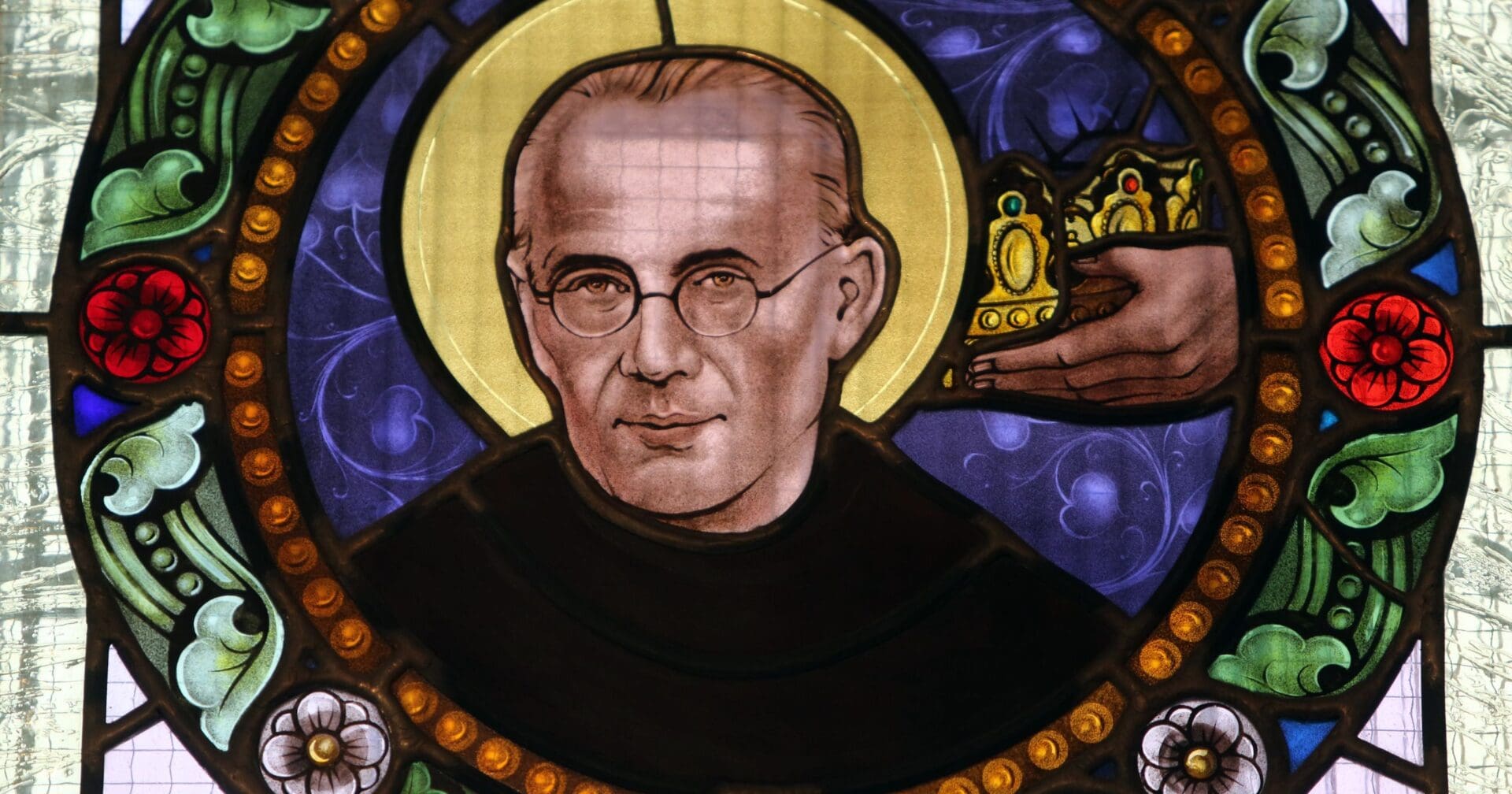
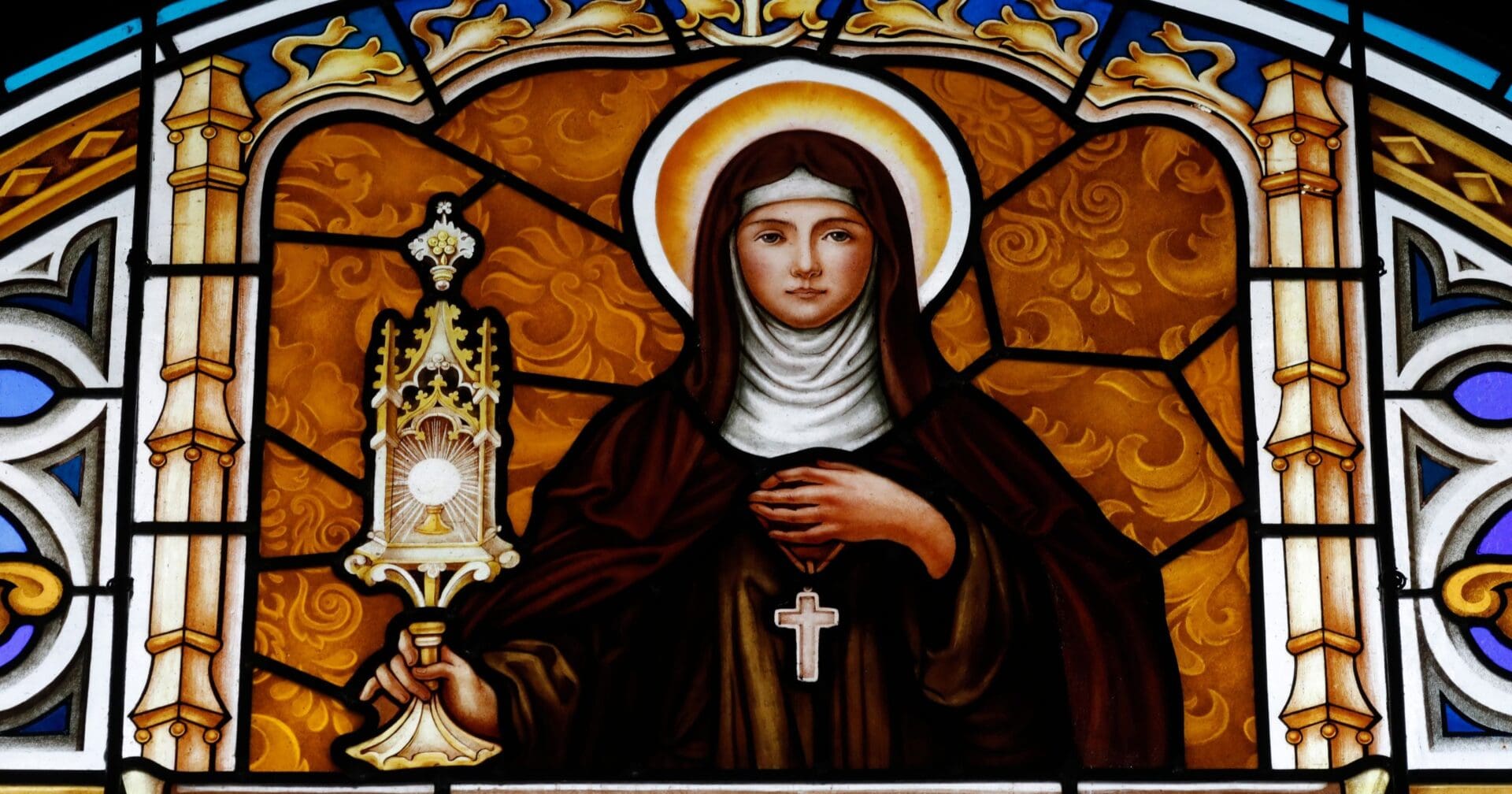
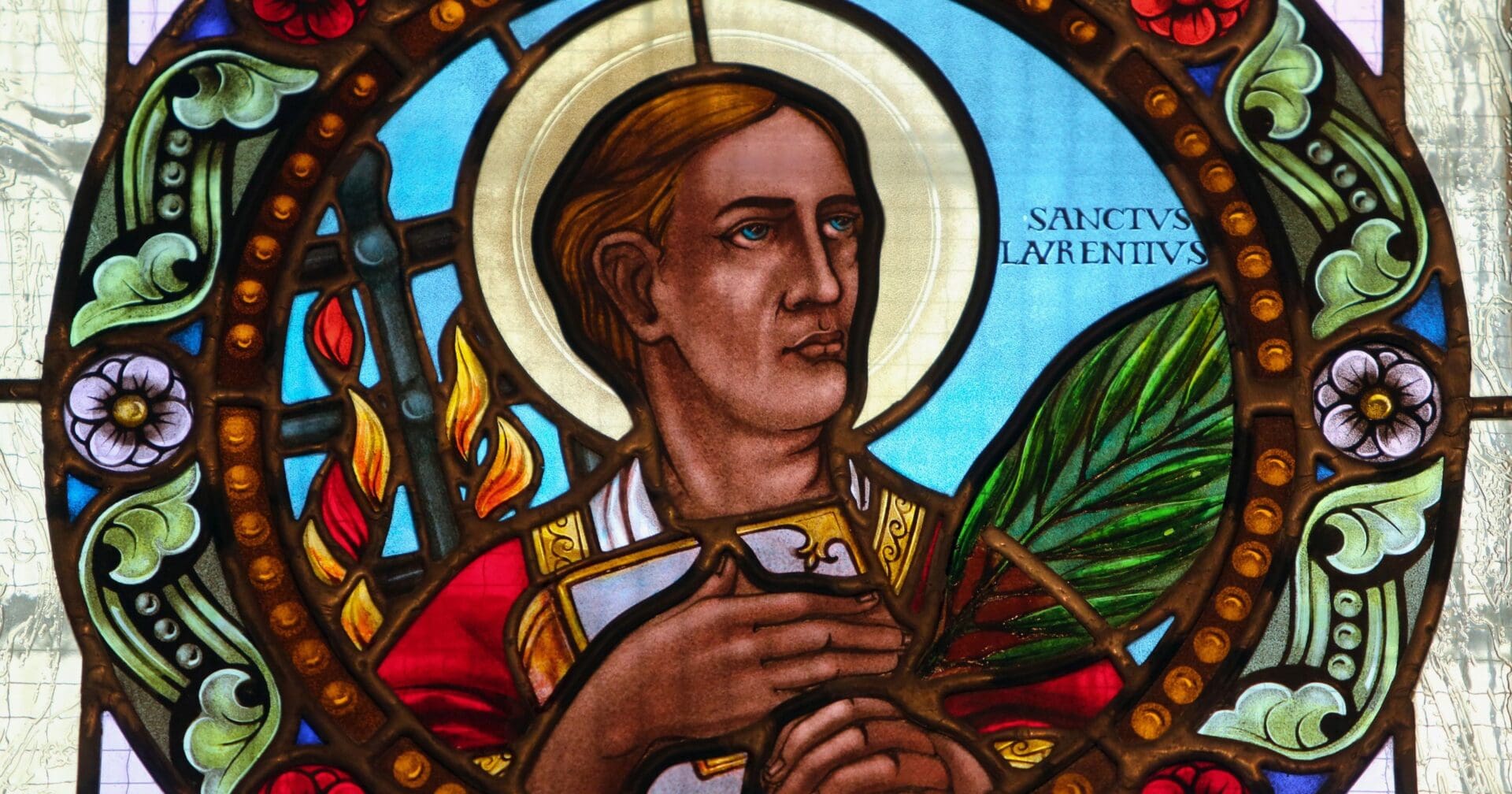
Like Blessed Miguel Agustín Pro, S.J., Saint Cristóbal and his 24 companion martyrs lived under a very anti-Catholic government in Mexico, one determined to weaken the Catholic faith of its people. Churches, schools and seminaries were closed; foreign clergy were expelled. Cristóbal established a clandestine seminary at Totatiche, Jalisco. Magallanes and the other priests were forced to minister secretly to Catholics during the presidency of Plutarco Calles (1924-28).

All of these martyrs except three were diocesan priests. David, Manuel and Salvador were laymen who died with their parish priest, Luis Batis. All of these martyrs belonged to the Cristero movement, pledging their allegiance to Christ and to the Church that he established to spread the Good News in society—even if Mexico’s leaders once made it a crime to receive Baptism or celebrate the Mass.

St. Magallanes Cristóbal wrote and preached against armed rebellion, but was falsely accused of promoting the Cristero Rebellion in the area. Arrested on May 21, 1927, while en route to celebrate Mass at a farm, he gave away his few remaining possessions to his executioners, gave them absolution, and without a trial, he was martyred four days later with Saint Agustín Caloca in Colotlán, Jalisco. His last words to his executioners were “I die innocent, and ask God that my blood may serve to unite my Mexican brethren.”

These martyrs did not die as a single group but in eight Mexican states, with Jalisco and Zacatecas having the largest number. They were beatified in 1992 and canonized eight years later.

Photo credit: Public Domain via Wikimedia Commons, Nheyob via Wikimedia Commons

Love uCATHOLIC?
Get our inspiring content delivered to your inbox every morning – FREE!

The post Saint Cristóbal Magallanes and Companions appeared first on uCatholic.
Daily Reading


Daily Meditation


In the year 1400, a young man came to the door of the largest hospital in Siena. A plague was raging through the city so horrible that as many as twenty people died each day just in the hospital alone. And many of the people who died were those who were needed to tend the ill. It was a desperate situation — more and more people were falling ill and fewer and fewer people were there to help them.

The twenty-year-old man who stood there had not come because he was ill but because he wanted to help. And he brought not new patients but young men like himself willing to tend the dying. For four months Bernardine and his companions worked day and night not only to comfort the patients but to organize and clean the hospital. Only at the end of the plague did Bernardine himself fall ill — of exhaustion.

But that was Bernardine’s way — whatever he did, he put his whole self into it. Immediately after he recovered he was back caring for the sick — but this time, he was responsible not for a whole hospital but one person — an invalid aunt. Yet for fourteen months she got his full attention. Throughout his life, he put as much energy into caring for one person as for hundreds, as much commitment into converting one citizen as to preaching to a whole city.

After his aunt died, Bernardine started to think about where his life should be going. The son of a noble family, he had been orphaned at seven and raised by an aunt. We are told as a young person that he hated indecent talk so much that he would blush when he heard it. Even his schoolmates hesitated to make him so uncomfortable but apparently one adult citizen thought it would be a great joke to needle Bernardine. In a public marketplace he stopped Bernardine and started to talk to him in a shameful way. But if he had thought to get away with his cruel trick, he was surprised when Bernardine slapped him in the face. The man slunk away, shamed in front of the very crowd he’d been trying to impress.

Bernardine, who had come to Siena to study, threw himself into prayer and fasting to discover what God wanted him to do. One might have expected him to continue his work with the sick but in 1403 he joined the Franciscans and in 1404 he was ordained a priest.

The Franciscans were known as missionary preachers, but Bernardine did very little preaching with because of a voice that was weak and hoarse. For twelve years he remained in the background, his energies going to prayer or to his own spiritual conversion and preparation.

At the end of that time, he went to Milan on a mission. When he got up to preach his voice was strong and commanding and his words so convincing that the crowd would not let him leave unless he promised to come back.

Thus began the missionary life of the one whom Pope Pius II called a second Paul. As usual, Bernardine through his whole self, body and soul, into his new career. He crisscrossed Italy on foot, preaching for hours at a time, several times a day. We are told he preached on punishment for sin as well as reward for virtue but focusing in the end on the mercy of Jesus and the love of Mary. His special devotion was to the Holy Name of Jesus.

Some who were jealous denounced him to the pope by saying he preached superstition. Silenced for a short while, Bernardine was soon cleared and back to preaching.

Bernardine refused several cities that wanted him as bishop but he was unable to avoid being named vicar general of his order. All his energy during that period went to renewing the original spirit of the order.

Soon, however, Bernardine heard the call to go back to preaching which consumed his last days. As a matter of fact, even when it was clear he was dying, he preached fifty consecutive days. He died in 1444 when he was almost 64 years old.

Photo credit: Public Domain via Wikimedia Commons

Love uCATHOLIC?
Get our inspiring content delivered to your inbox every morning – FREE!

The post Saint Bernardine of Siena appeared first on uCatholic.
Daily Reading


Daily Meditation


Click here for daily readings

In both Acts and John’s Gospel, the message is similar from Paul and Jesus. They have both done what God asked them to; they are moving forward believing that God is with them though they do not know exactly what is next. And they will pray. They will pray for those they preached the Gospel to; they will pray in thanksgiving for what God has done with, thorough and for them while on earth, and they will pray for whatever is before them.

Paul does not know what will happen to him, but he has been warned by the Holy Spirit that hardship is coming. Jesus knows that His death is imminent, yet he moves forward in faith.

That is what I take away from these readings. Pray and move forward in faith. What is next for you in your life? We do not know the future, but we can pray continuously for the strength, courage, and perseverance to keep our eyes on Jesus. In my house, there is a crucifix in almost every room. They are not there for decoration but as reminders of what Jesus did for our salvation. Each one is a reminder of the passion, death, and resurrection of Jesus. We need all three of those as we move along in our own lives. 

Clearly, Jesus’ suffering and resurrection is foundational in our faith. But they are also a way to look at our own life. How many passion, death, and resurrection sequences have occurred in your life? As we leave this Easter season, it is a suitable time to reflect on how God has been with you always, in every season of your life.

Spend some time in prayer and list all the times you have had problems, sorrow, and pain in your life. During those times we often die to something – pride, fear, a lack of faith – and by God’s grace, we rise. We rise above our circumstances and do what is needed. We rise to a great peace, a loss of sinfulness, a renewed faith. 

Just as Jesus did not die in vain but for God’s glory and our salvation, the passions, deaths, and resurrections we experience in our lives are for a reason. God does not hide those reasons from us, but we need to pray to learn the reason. We need to ask him, and we will come to know and understand God’s plan for us through our suffering. Eventually, our suffering leads us to restoration and unity with God.

Contact the author


Tanto en los Hechos de los Apóstoles como en el Evangelio de Juan, el mensaje de Pablo y Jesús es semejante. Ambos han hecho lo que Dios les pidió; siguen adelante creyendo que Dios está con ellos, aunque no saben exactamente qué les traerá el futuro. Y orarán. Orarán por aquellos a quienes predicaron el Evangelio; orarán en acción de gracias por lo que Dios ha hecho con ellos, a través de ellos y por ellos mientras estuvieron en la tierra, y orarán por lo que está por venir.

Pablo no sabe lo que le sucederá, pero el Espíritu Santo le ha advertido que se acercan dificultades. Jesús sabe que su muerte es inminente, sin embargo, sigue adelante con fe.

Eso es lo que me llevo de estas lecturas. Orar y seguir adelante con fe. ¿Qué está por venir en tu vida? No conocemos el futuro, pero podemos orar continuamente para tener la fuerza, el valor y la perseverancia para mantener nuestros ojos puestos en Jesús. En mi casa, hay un crucifijo en casi todas las habitaciones. No están allí como decoración, sino como recordatorios de lo que Jesús hizo por nuestra salvación. Cada uno es un recordatorio de la pasión, muerte y resurrección de Jesús. Necesitamos las tres cosas a medida que avanzamos en nuestras propias vidas.

Claramente, el sufrimiento y la resurrección de Jesús son fundamentales en nuestra fe. Pero también son una forma de ver nuestra propia vida. ¿Cuántas secuencias de pasión, muerte y resurrección han ocurrido en tu vida? Al terminar esta temporada de Pascua, es un buen momento para reflexionar sobre cómo Dios ha estado contigo siempre, en cada etapa de tu vida.

Dedica un tiempo a la oración y enumera todas las veces que has tenido problemas, tristeza y dolor en tu vida. Durante esos momentos, a menudo morimos a algo —el orgullo, el miedo, la falta de fe— y, por la gracia de Dios, resucitamos. Nos elevamos por encima de nuestras circunstancias y hacemos lo que es necesario. Alcanzamos una gran paz, una liberación del pecado, una fe renovada.

Así como Jesús no murió en vano, sino para la gloria de Dios y nuestra salvación, las pasiones, muertes y resurrecciones que experimentamos en nuestras vidas tienen un propósito. Dios no nos oculta esas razones, pero necesitamos orar para conocerlas. Necesitamos preguntarle, y llegaremos a conocer y comprender el plan de Dios para nosotros a través de nuestro sufrimiento. En última instancia, nuestro sufrimiento nos conduce a la restauración y a la unidad con Dios.

Comunicarse con la autora

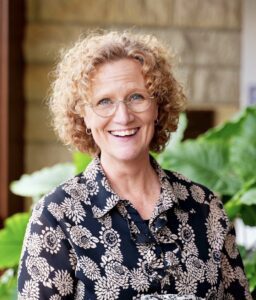
Deanna G. Bartalini, M.Ed., M.P.A. is a certified spiritual director, retreat leader, speaker, and writer with decades of experience serving the Church. She is the founder of LiveNotLukewarm.com, works on the retreat team at Our Lady of Florida Passionist Spiritual Center, and is an Unbound prayer minister.  She has served as a religious education director, youth minister, liturgical coordinator, and stewardship director. She writes for SpiritualDirection.comCatholicMom.comnew.diocesan.com/, and Women in the New Evangelization (WINE). Deanna is the author of The Stay Connected Journals for Catholic Women, Invite the Holy Spirit into your Life, and has contributed to the Catholic Mom’s Prayer Companion, as well as Digital Ministry and Leadership in Today’s Church.

Feature Image Credit: Image submitted by Author, The Cathedral of Santa Maria Assunta in Siena, Italy

The views and opinions expressed in the Inspiration Daily blog are solely those of the original authors and contributors. These views and opinions do not necessarily represent those of Diocesan, the Diocesan staff, or other contributors to this blog.

Daily Reading


Saint of the Day


Pope Saint Celestine V was the eleventh of twelve children. His father died early, and his mother raised him with an influence towards a religious vocation.  When his mother would ask, “Which one of you is going to become a saint?” little Peter would answer “Me, Mama! I’ll become a saint!”.

At age seventeen, he became a Benedictine monk at the monastery of Santa Maria di Faifoli, near Montagano, Italy. Here he began to persue a life of solitude. In 1240, he moved into a cave on Mt. Morrone, of which he received his surname.

At age 30, he moved to Mt. Majella with two other companions, where he began to apply to himself a life of strict mortification rules. He would fast for 6 days a week, long prayers, wear hair shirts and iron chains. Many would flock to him, that he founded the order of the Celestines, after himself. He continued his life here for the next 50 years and became well-known throughout most of Italy.

Following a two year conclave during which the cardinals could not decide on a pope, Peter came to them with the message that God was not pleased with the long delay; the cardinals chose Peter as Pope.

The primary objective of his pontificate was to reform clergy, many of whom were using spiritual power to obtain wordly power. Celestine sought a way to bring the faithful to the original Gospel spirit, and he settled on “Pardon” – he called for a year of forgiveness of sins, and return to evangelical austerity and fidelity.

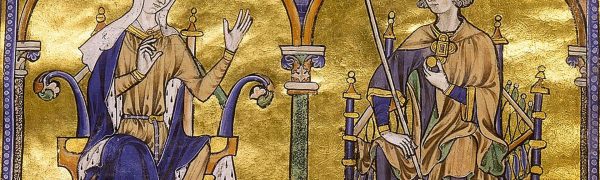
He reigned a mere five months, and the members of the Vatican Curia took advantage of him. This led to much mismanagement, and great uproar in the Vatican. Knowing he was responsible, Celestine asked forgiveness for his mistakes, and abdicated on 13 December 1294, the last pope to do so until Pope Benedict XVI.

His successor, Boniface VIII, kept Celestine hidden for the last ten months of his life in a small room in a Roman palace. Celestine may have appreciated it – he never lost his love of the hermit’s life, and spent his last days in prayer.

Photo credit: Enrico Spetrino / Shutterstock.com

Love uCATHOLIC?
Get our inspiring content delivered to your inbox every morning – FREE!

The post Pope Saint Celestine V appeared first on uCatholic.
Daily Reading


Daily Meditation


Click here for daily readings

Sacramental grace is available to us every day. We are baptized once, but we carry the grace of our baptism with us every day. We may go to the confession every couple months, but the grace of this sacrament helps us to avoid sin over and over again. We were married on our wedding day, but the grace of the sacrament is available to us day in and day out.

Today my husband and I celebrate our 14th wedding anniversary and we have had to tap into that grace time and time again. The ups and downs of life often have us floundering, but we return to the Church, to the fount of grace for renewal and refreshment. In today’s Gospel Jesus tells us “In the world you will have trouble, but take courage, I have conquered the world.” 

Today’s world does in fact give us all sorts of trouble. It tries to destroy marriage and family at every turn. It throws distractions and temptations at us, telling us lies that make us turn inward or lack trust. It teaches us that selfishness, not selflessness, reigns supreme. It proclaims that getting our own way and being comfortable will make us happy. It preaches that being served is far superior to serving. 

Jesus says, “I have told you this so that you might have peace in me.” No matter what the world throws at us, we can still find peace in Him. We can still hold the family high as our little domestic Church, where we love and grow together. For we know that this world is not our home and that He is waiting on the other side to gather us into His loving arms. 

Contact the Author


La gracia sacramental está a nuestra disposición todos los días. Nos bautizamos una sola vez, pero llevamos la gracia de nuestro bautismo con nosotros a diario. Nos confesamos cada cierto tiempo, pero la gracia de este sacramento nos ayuda a evitar el pecado una y otra vez. Nos casamos el día de nuestra boda, pero la gracia del sacramento está disponible para nosotros día tras día.

Hoy mi esposo y yo celebramos nuestro decimocuarto aniversario de bodas y hemos tenido que recurrir a esa gracia una y otra vez. Los altibajos de la vida a menudo nos hacen titubear, pero volvemos a la Iglesia, a la fuente de la gracia, para renovarnos y fortalecernos. En el Evangelio de hoy, Jesús nos dice: “En el mundo tendrán tribulaciones; pero tengan valor, porque yo he vencido al mundo”.

El mundo actual, de hecho, nos presenta todo tipo de dificultades. Intenta destruir el matrimonio y la familia a cada paso. Nos lanza distracciones y tentaciones, diciéndonos mentiras que nos hacen encerrarnos en nosotros mismos o perder la confianza. Nos enseña que el egoísmo, no la generosidad, es lo que prevalece. Proclama que salirse con la suya y estar cómodos nos hará felices. Predica que ser servido es superior a servir.

Jesús dice: “Les he dicho estas cosas, para que tengan paz en mí”. No importa lo que el mundo nos depare, podemos encontrar paz en Él. Podemos seguir valorando a la familia como nuestra pequeña Iglesia doméstica, donde nos amamos y crecemos juntos. Porque sabemos que este mundo no es nuestro hogar y que Él nos espera al otro lado para acogernos en sus brazos amorosos.

Comunicarse con la autora


Tami Urcia is a midwestern gal from a large Catholic family. As a young adult she was a missionary in Mexico, where she studied theology and philosophy. After returning stateside bilingual, she gained a variety of work experience, traveled extensively and finished her Bachelor’s Degree at Brescia University. She loves organizing and simplifying things, watching her children play sports, deep conversations with close family and friends and finding unique ways to brighten others’ day with Christ’s love. She works full time at Diocesan in the Software Department and manages the Inspiration Daily reflections. She is also a contributing writer on CatholicMom.com and BlessedIsShe.net.

Feature Image Credit: Tom The Photographer, unsplash.com/photos/man-holding-red-flowers-aeXJOuph2N4

The views and opinions expressed in the Inspiration Daily blog are solely those of the original authors and contributors. These views and opinions do not necessarily represent those of Diocesan, the Diocesan staff, or other contributors to this blog.

Daily Reading


Saint of the Day


Little is known of Pope Saint John I’s life before he took office, except that he was born in Tuscany and that his father was Constantius. He was elected a week after the death of his predecessor Hormisdas.

Thanks to the recent reunification of the Eastern and Western Churches under Hormisdas, relations were very good with the Byzantine empire, but for the same reason they were strained with Theodoric, king of the Ostrogoths. The Byzantine emperor Justin persecuted heretics with enthusiasm, and he issued an edict against Arianism in 523. Theodoric, an Arian, distrusted the papacy’s affinity to Justin, and he pressured John to go to Constantinople and convince the emperor to withdraw the edict.

John did indeed go to Constantinople and was well-received, but the edict was not withdrawn. Upon his return to Italy, Theodoric had John arrested and imprisoned in Ravenna. Worn out by his journey and probably starved, John died in prison soon after. Pope St. John I is honored as a martyr.

Photo credit: Public Domain via getarchive

Love uCATHOLIC?
Get our inspiring content delivered to your inbox every morning – FREE!

The post Pope Saint John I appeared first on uCatholic.
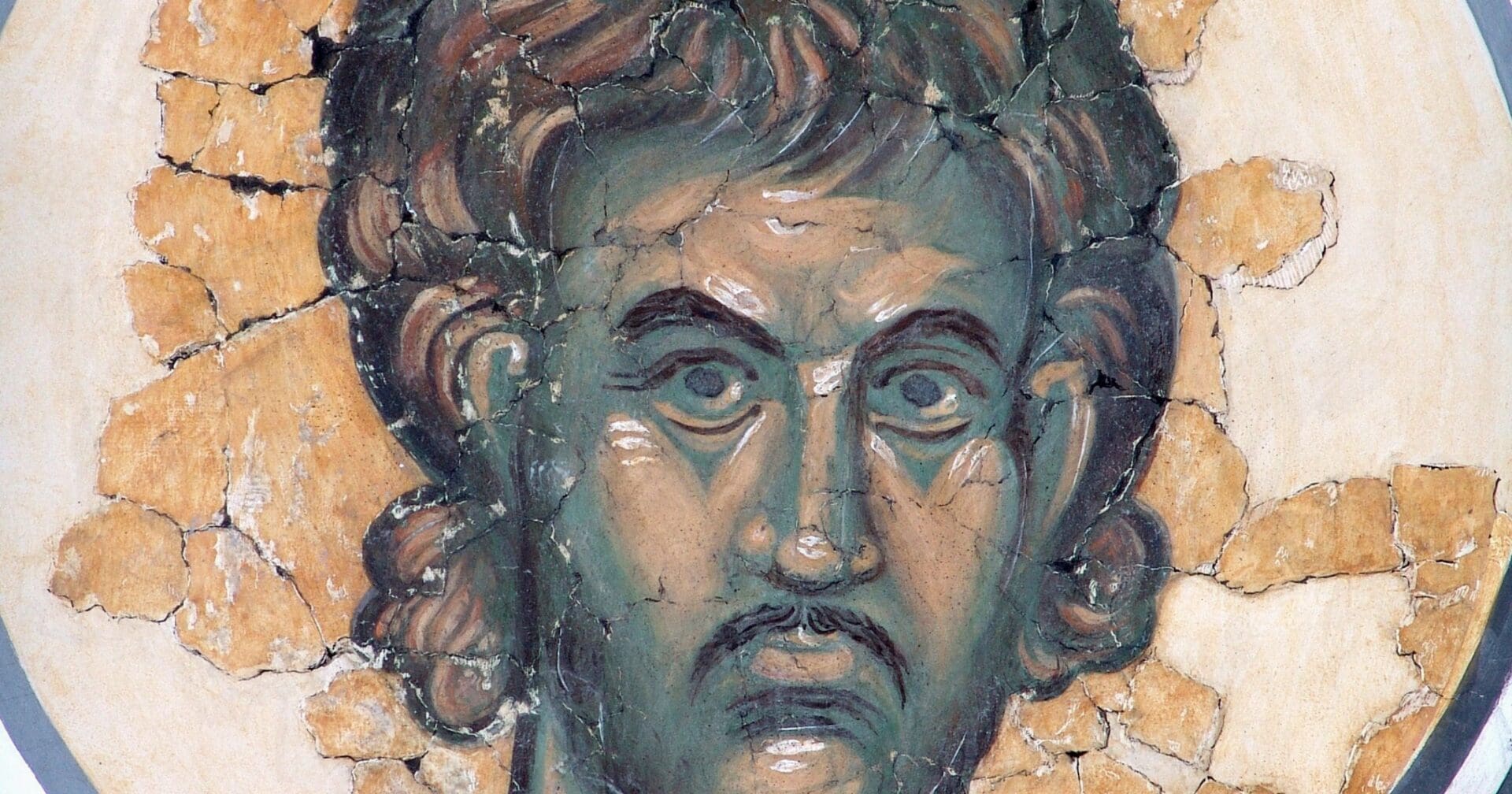
Daily Reading


Daily Meditation


Click here for daily readings

“When they saw him, they worshiped, but they doubted.” Does this describe you and me as well? The commissioning of the disciples by Jesus Christ should be like a lit match that ignites the faith within each of us. Yet, just like the disciples, we worship, but we doubt. 

How do we get beyond the doubt? God has given us so many examples and intercessors to keep us on the right path. We have a jealous enemy who does so much to keep us constantly confused by distorting or destroying our efforts, in hopes that we will tire and turn away. That is why Saint Paul urges us to “pray without ceasing” (see 1 Thessalonians 5:17).

When we truly put God first, this becomes easier and easier. I’m not saying that I have perfected my prayer life, but taking just one step in the right direction can make a big difference. Just saying “Jesus, I love you” as many times as you can during your daily routine brings Him to the forefront so you can receive the love He sends back to you. 

The last two verses of today’s Gospel serve as the mission statement for the parish I belong to. To keep our mission before us, we read it at each leadership meeting. We have also added our core purpose, core values, what we strive to be, and where we are succeeding. “Go therefore and make disciples of all nations…” can be overwhelming words for many of us. They require that we step out of our comfort zone, something we tend to enjoy so much that we become totally wrapped up in it, sometimes so tightly that we are unable to move.

I do not doubt the power of Jesus Christ, nor should you. We have been given many examples throughout our lives, and it is our duty to continually praise and thank Him for all He has done for us. Take a moment to consider your life and where you can see Jesus with you throughout it. When you doubt, what replaces it? Faith, belief, confidence, knowledge, and trust. 

Jesus has given us the greatest gift; He has not only ascended but, He is “with [us] always, until the end of the age.” In times of uncertainty, open the Bible and start reading. He is right there.

Contact the Author


“Al ver a Jesús, se postraron, aunque algunos titubeaban”. ¿Nos describe esto también a ti y a mí? El encargo que Jesús Cristo dio a sus discípulos debería ser como una vela encendida que aviva la fe en cada uno de nosotros. Sin embargo, al igual que los discípulos, adoramos, pero dudamos.

¿Cómo superamos la duda? Dios nos ha dado tantos ejemplos e intercesores para mantenernos en el camino correcto. Tenemos un enemigo implacable que hace todo lo posible para mantenernos constantemente confundidos, distorsionando o destruyendo nuestros esfuerzos, con la esperanza de que nos cansemos y nos alejemos. Por eso San Pablo nos insta a “orar sin cesar” (ver 1 Tesalonicenses 5,17).

Cuando realmente ponemos a Dios en primer lugar, esto se vuelve cada vez más fácil. No digo que haya perfeccionado mi vida de oración, pero dar un solo paso en la dirección correcta puede marcar una gran diferencia. Simplemente decir “Jesús, te amo” tantas veces como sea posible durante nuestra rutina diaria lo pone en primer plano para que podamos recibir el amor que Él nos envía.

Los dos últimos versículos del Evangelio de hoy sirven como declaración de misión para la parroquia a la que pertenezco. Para tener presente nuestra misión, la leemos en cada reunión de liderazgo. También hemos añadido nuestro propósito fundamental, nuestros valores fundamentales, lo que aspiramos a ser y en qué estamos teniendo éxito. “Vayan, pues, y enseñen a todas las naciones…” pueden ser palabras abrumadoras para muchos de nosotros. Requieren que salgamos de nuestra zona de confort, algo que solemos disfrutar tanto que nos absorbemos por completo en ella, a veces tan intensamente que nos resulta imposible movernos.

No dudo del poder de Jesucristo, ni deberías dudar tú. Se nos han dado muchos ejemplos a lo largo de nuestras vidas, y es nuestro deber alabarlo y agradecerle continuamente por todo lo que ha hecho por nosotros. Tómate un momento para reflexionar sobre tu vida y dónde puedes ver a Jesús contigo a lo largo de ella. Cuando dudas, ¿qué lo reemplaza? Fe, creencia, confianza, conocimiento y seguridad.

Jesús nos ha dado el mayor regalo; no solo ha ascendido, sino que está “con [nosotros] todos los días, hasta el fin del mundo”. En tiempos de incertidumbre, abre la Biblia y comienza a leer. Él se encuentra ahí mismo.

Comunicarse con la autora


Marti Garcia’s passions are her retired life and growing deeper in her Catholic faith. Marti is a Sacristan/EM, facilitates small groups, and assists as a First Communion Catechist for parents. Being a parent educator and writer for 35 years, she recently published a children’s chapter book on Amazon, The Ladybugs. You can find her at her blog: MartiGarcia.org, or thewaterisshallow.com, or her cohost podcast, findingacommonthread.com, which is coming soon.

Feature Image Credit: Aristal, AI generated, pixabay.com/illustrations/ai-generated-jesus-enlightenment-8605077/

The views and opinions expressed in the Inspiration Daily blog are solely those of the original authors and contributors. These views and opinions do not necessarily represent those of Diocesan, the Diocesan staff, or other contributors to this blog.

Daily Reading


Saint of the Day


From his childhood Saint Paschal Baylon seems to have been marked out for the service of God. Amid his daily labors as a shepherd, he found time to instruct and evangelize the rude herdsmen who kept their flocks on the hills of Aragon. At the age of twenty-four he entered the reformed Franciscan Order near the town of Monfort, Spain, where he remained, out of humility, a simple lay brother, occupying himself by preference with the roughest and most servile tasks.

He was distinguished by his ardent devotion and love for the Blessed Sacrament. He would spend hours on his knees before the tabernacle, often being raised from the ground in the fervor of his prayer. And there, from the authentic and eternal Truth, he drew such stores of wisdom that, unlettered as he was, he was considered by all a master in theology and spiritual science.

Shortly after his profession he was sent to Paris on business connected with his Order. The journey was full of perils, owing to the hostility of the Huguenots, who were numerous at the time in the south of France; and on four separate occasions Paschal was in imminent danger of death at their hands. Twice he was taken for a spy; but it was not God’s will that His servant should obtain the crown of martyrdom which he so earnestly desired, though he regarded himself as unworthy of it. He returned in safety to his convent, where he would later die in the odor of sanctity in 1592.

Multitudes witnessed the miracles which took place during the three days his body was exposed for veneration. He was canonized in 1690, and in 1897 declared patron of all Eucharistic congresses and confraternities.

Editorial credit: Bill Perry / Shutterstock.com

Love uCATHOLIC?
Get our inspiring content delivered to your inbox every morning – FREE!

The post Saint Paschal Baylon appeared first on uCatholic.
Daily Reading


Daily Meditation


Click here for daily readings

Some of the best conversations happen while we’re sitting around the table after a meal. That’s the case in today’s Gospel. Jesus and His disciples have finished the Last Supper. Soon they will go with Him as He heads out to the Garden of Gethsemane to pray, and Jesus knows what will follow. So, He talks to His friends.

He has been journeying with them for three years – teaching, guiding, counseling. Now He knows what’s coming next. He must go ahead of them, and it will look pretty bad at first, so Jesus prepares them for the hard days ahead. In this final discourse to His Apostles before His Passion, Jesus seems to bring it all together, to bottom-line it. Jesus tells them: I am from God — love me, love God; hear me, hear God. Ask God in my name, be heard.

Jesus is sending His disciples, God’s children, into a world seemingly without Him, and He is much like any loving parent sending his children out into the world. He knows it’s time; He’s taught what He can teach. But like that parent, perhaps He wonders: Have they understood? Will they live it? Can they stand up to the pressures that will come?

Better even than that loving parent, though, the Father and the Son understand that the rest these beloved people need to know, they will learn on their own, but not alone. From the Father and the Son will come the Holy Spirit, the Advocate, who will be with them to guide them. 

That night of the Last Supper, Jesus looks into the faces of His Apostles and perhaps His heart aches knowing that some of the lessons to come will be painful. How hard must it have been to get up from the warmth and comfort of that table and step into the night that followed? But Jesus takes those steps as He calls us to take them — with absolute faith and trust in God who loves us completely.

Whether for ourselves or those we love, believe what Jesus taught his Apostles and what He has taught us, to step out in faith. Know Jesus, know God. Seek His wisdom, seek His counsel, pray, trust, persevere. Ask in the name of Jesus, and trust that, no matter how difficult the path that follows, you are heard.

Contact the author


Algunas de las mejores conversaciones ocurren mientras estamos sentados alrededor de la mesa después de una comida. Ese es el caso en el Evangelio de hoy. Jesús y sus discípulos han terminado la Última Cena. Pronto irán con Él mientras se dirige al Huerto de Getsemaní para orar, y Jesús sabe lo que sucederá después. Así que habla con sus amigos.

Ha estado viajando con ellos durante tres años, enseñando, guiando, aconsejando. Ahora sabe lo que viene. Debe ir delante de ellos, y al principio todo parecerá muy difícil, así que Jesús los prepara para los días difíciles que están por venir. En este discurso final a sus Apóstoles antes de su Pasión, Jesús parece resumirlo todo, ir al grano. Jesús les dice: Yo vengo de Dios; ámenme, amen a Dios; escúchenme, escuchen a Dios. Pidan a Dios en mi nombre, y serán escuchados.

Jesús envía a sus discípulos, los hijos de Dios, a un mundo que parece estar sin Él, y se parece mucho a cualquier padre amoroso que envía a sus hijos al mundo. Sabe que ha llegado el momento; ha enseñado todo lo que podía enseñar. Pero, como ese padre, quizás se pregunta: ¿Lo habrán entendido? ¿Lo vivirán? ¿Podrán soportar las presiones que vendrán?

Sin embargo, mejor aún que ese padre amoroso, el Padre y el Hijo comprenden que el resto de lo que estas personas amadas necesitan saber, lo aprenderán por sí mismas, pero no a solas. Del Padre y del Hijo vendrá el Espíritu Santo, el Paráclito, que estará con ellos para guiarlos.

Esa noche de la Última Cena, Jesús mira los rostros de sus Apóstoles y quizás su corazón se entristece al saber que algunas de las lecciones que vendrán serán dolorosas. ¡Qué difícil debió ser levantarse del calor y la comodidad de esa mesa y adentrarse en la noche que siguió! Pero Jesús da esos pasos, y nos llama a darlos también, con fe y confianza absolutas en Dios, que nos ama completamente.

Ya sea para nosotros o para quienes amamos, crean en lo que Jesús enseñó a sus Apóstoles y lo que nos ha enseñado a nosotros: a dar un paso adelante con fe. Conozcan a Jesús, conozcan a Dios. Busquen su sabiduría, busquen su consejo, oren, confíen, perseveren. Pidan en el nombre de Jesús y confíen en que, por difícil que sea el camino que les espera, serán escuchados.

Comunicarse con la autora


Pamela Kavanaugh is a grateful wife, mother, and grandmother who has dedicated her professional life to Catholic education. Though she has done her very best to teach her students well in the subjects of language and religion, she knows that she has learned more than she has taught. She lives, teaches, and writes in southwest suburban Chicago.

Feature Image Credit: Providence Lith. Co.art.diocesan.com/stock-photo/the-last-supper-16261/

The views and opinions expressed in the Inspiration Daily blog are solely those of the original authors and contributors. These views and opinions do not necessarily represent those of Diocesan, the Diocesan staff, or other contributors to this blog.

Daily Reading


Saint of the Day


Saint Brendan of Ardfert and Clonfert, known also as Brendan the Voyager, was born in Ciarraighe Luachra, near the present city of Tralee, County Kerry, Ireland, in 484; he died at Enachduin, now Annaghdown, in 577. He was baptized at Tubrid, near Ardfert, by Bishop Erc. For five years he was educated under St. Ita, “the Brigid of Munster”, and he completed his studies under St. Erc, who ordained him priest in 512. Between the years 512 and 530 St. Brendan built monastic cells at Ardfert, and at Shanakeel or Baalynevinoorach, at the foot of Brandon Hill. It was from here that he set out on his famous voyage for the Land of Delight.

St. Brendan belongs to that glorious period in the history of Ireland when the island in the first glow of its conversion to Christianity sent forth its earliest messengers of the Faith to the continent and to the regions of the sea. It is, therefore, perhaps possible that the legends, current in the ninth and committed to writing in the eleventh century, have for foundation an actual sea-voyage the destination of which cannot however be determined.

These adventures were called the “Navigatio Brendani”, the Voyage or Wandering of St. Brendan, but there is no historical proof of this journey. Brendan is said to have sailed in search of a fabled Paradise with a company of monks, the number of which is variously stated as from 18 to 150. After a long voyage of seven years they reached the “Terra Repromissionis”, or Paradise, a most beautiful land with luxuriant vegetation.

The narrative offers a wide range for the interpretation of the geographical position of this land and with it of the scene of the legend of St. Brendan. While many locations had been speculated, in the early part of the nineteenth century belief in the existence of the island was completely abandoned. But soon a new theory arose, maintained by those scholars who claim for the Irish the glory of discovering America, namely, MacCarthy, Rafn, Beamish, O’Hanlon, Beauvois, Gafarel, etc. They rest this claim on the account of the Northmen who found a region south of Vinland and the Chesapeake Bay called “Hvitramamaland” (Land of the White Men) or “Irland ed mikla” (Greater Ireland), and on the tradition of the Shawano (Shawnee) Indians that in earlier times Florida was inhabited by a white tribe which had iron implements.

In regard to Brendan himself the point is made that he could only have gained a knowledge of foreign animals and plants, such as are described in the legend, by visiting the western continent.

The oldest account of the legend is in Latin, “Navigatio Sancti Brendani”, and belongs to the tenth or eleventh century; the first French translation dates from 1125; since the thirteenth century the legend has appeared in the literatures of the Netherlands, Germany, and England.

Photo credit: Panaspics / Shutterstock.com

Love uCATHOLIC?
Get our inspiring content delivered to your inbox every morning – FREE!

The post Saint Brendan appeared first on uCatholic.

Daily Reading


Daily Meditation