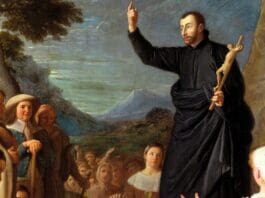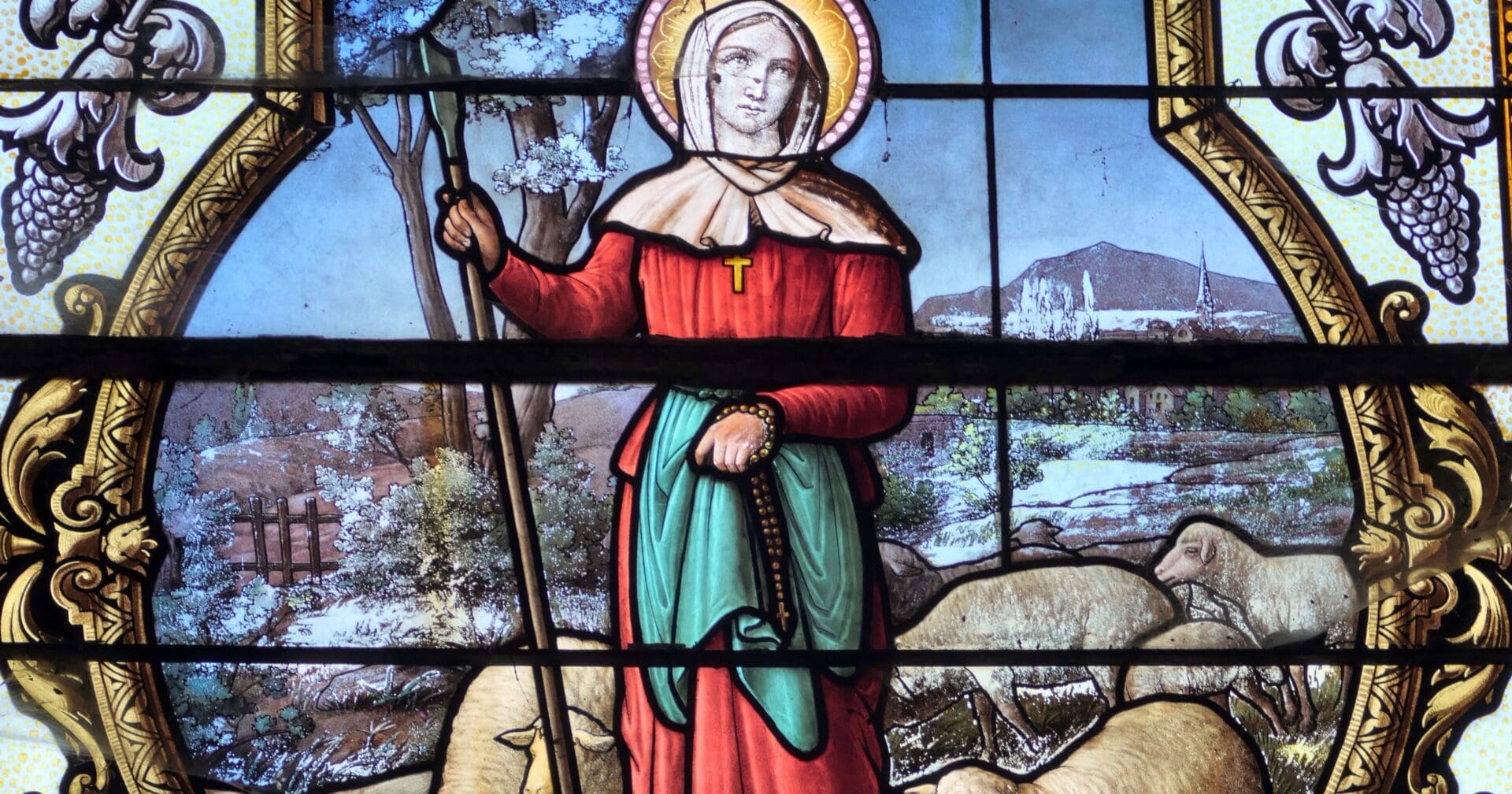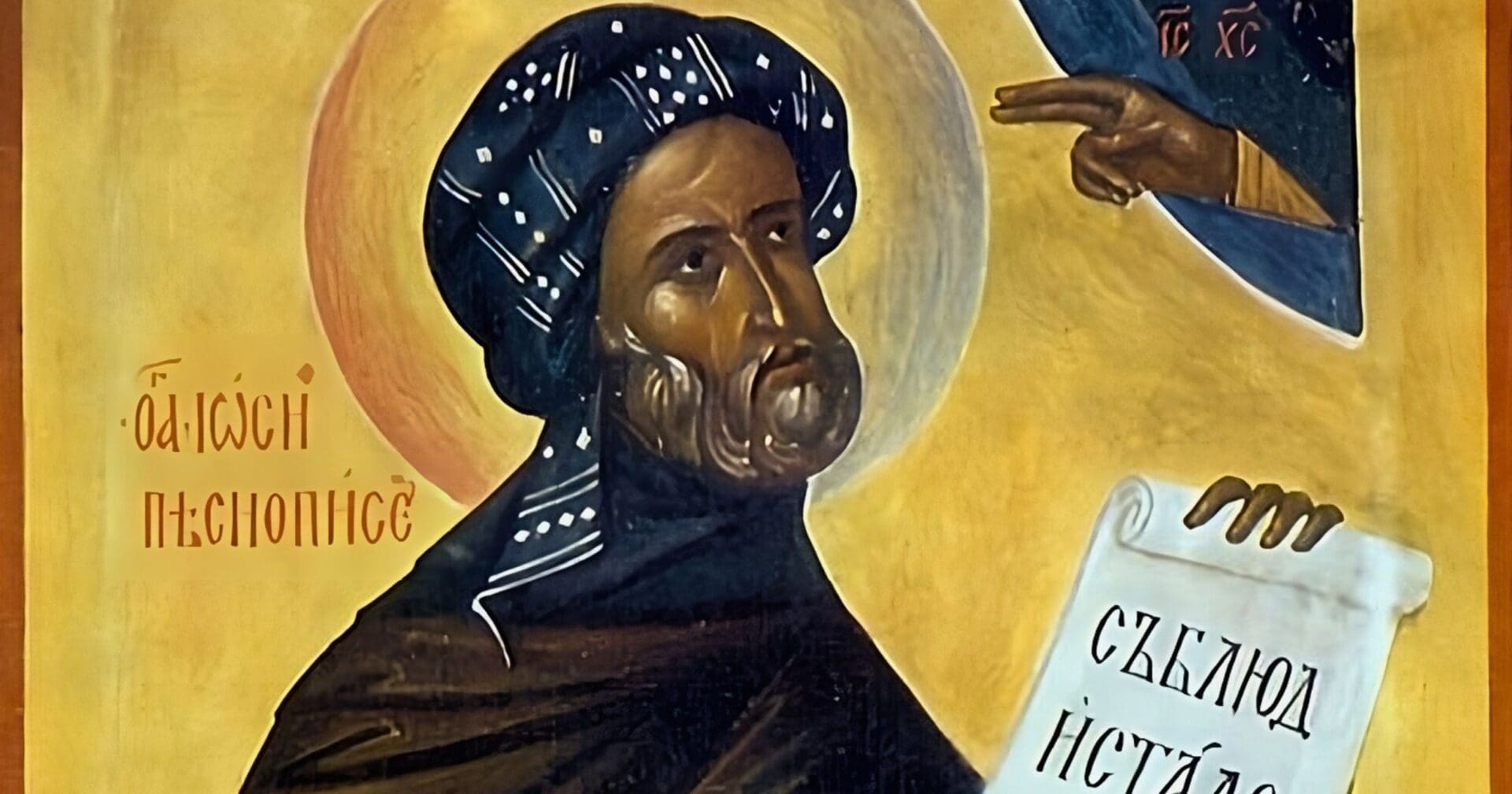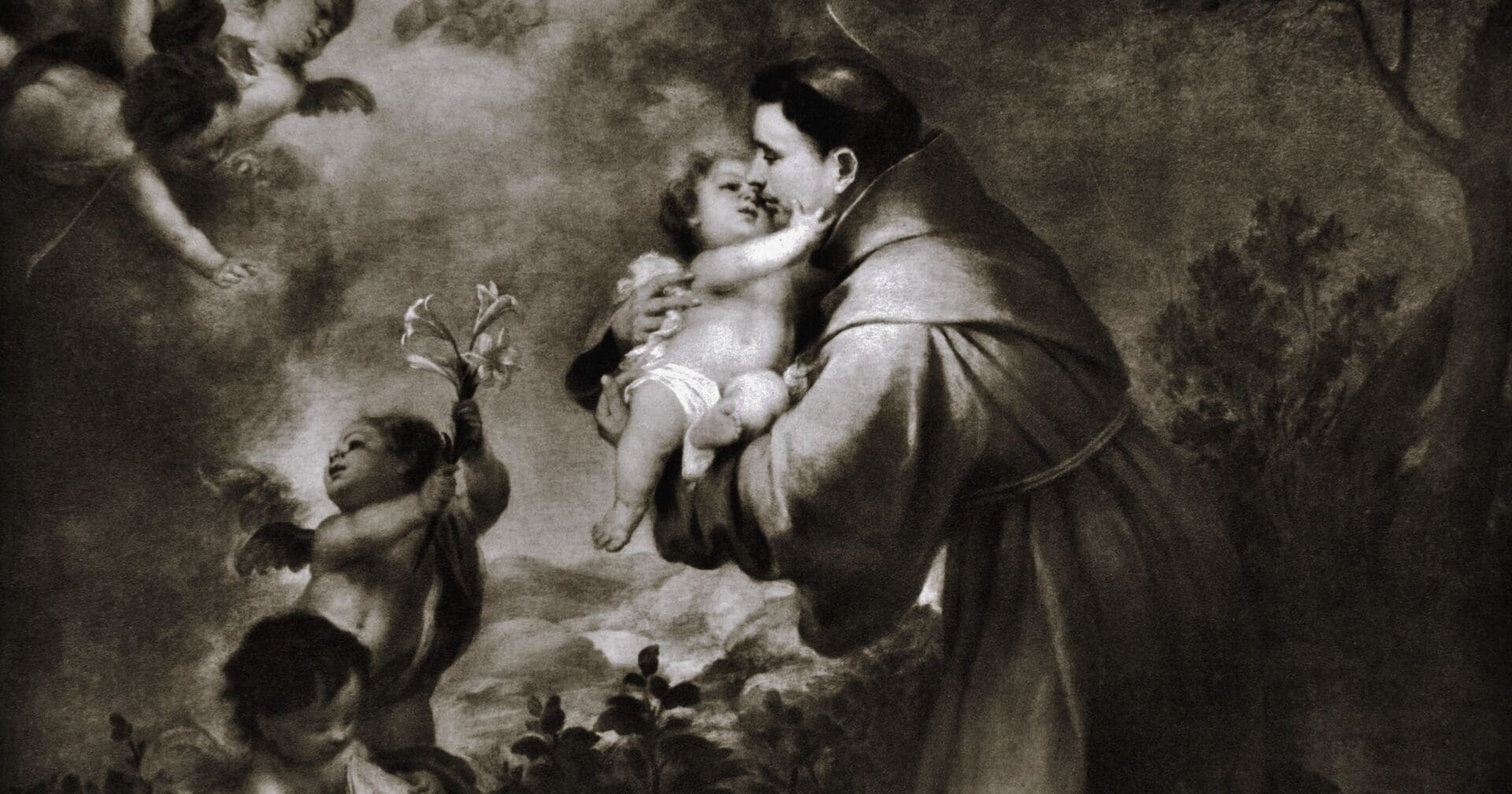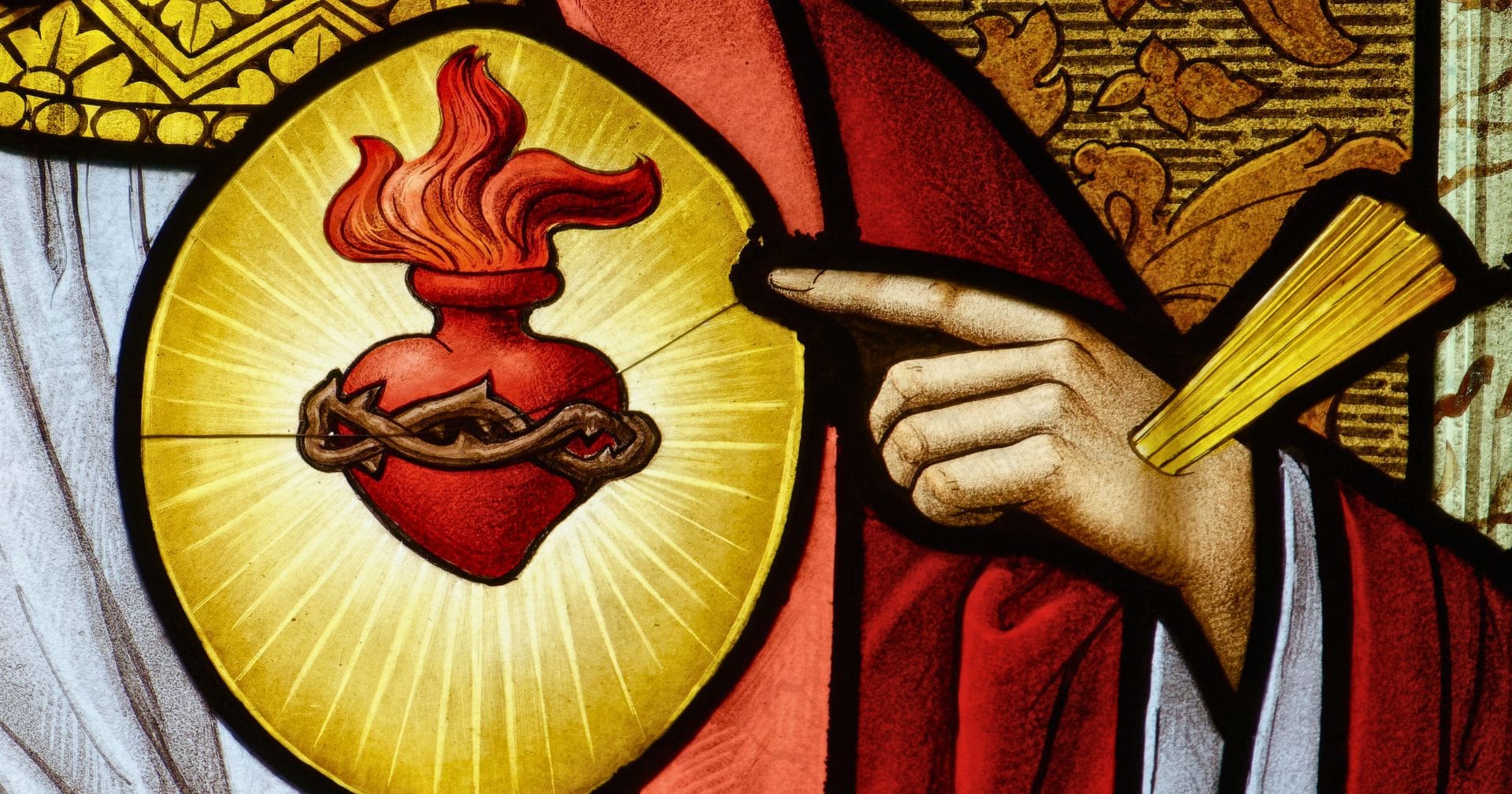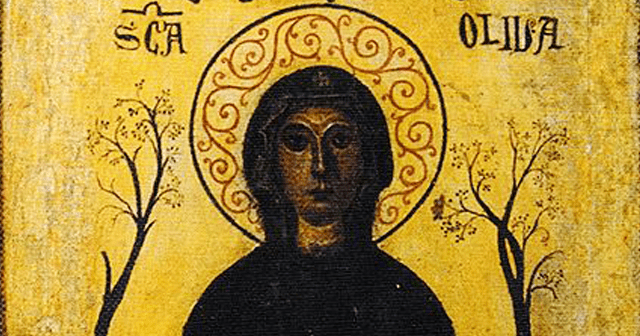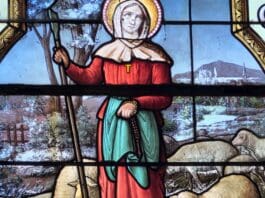
Saint Angela Merici, born in 1474 and passing in 1540, achieved the unique feat of establishing not only the Church’s inaugural congregation of teaching women but also what we now recognize as a ‘secular institute’ of religious women.

Angela’s early years saw her embrace the Third Order of St. Francis, presently known as the Secular Franciscan Order. She adopted a life of profound simplicity, aspiring to emulate St. Francis’s philosophy of possessing nothing, forsaking even the comfort of a bed. Struck by the lack of religious education among the impoverished youth, whose families either could not or would not impart religious teachings, Angela set out to make a difference. Her engaging presence, combined with her leadership skills, drew others to join her in offering consistent religious education to the young girls in their vicinity.

Her journey led her to Brescia, fulfilling a vision she once had of founding a religious community there. Her efforts in Brescia did not go unnoticed, and she quickly became the nucleus of a like-minded group.

A pilgrimage to the Holy Land presented itself as a significant chapter in her life. En route, in Crete, Angela was afflicted with sudden blindness. Despite her companions’ concerns, she persisted with the pilgrimage, demonstrating remarkable devotion and fervor at each holy site, as though she had her vision. Miraculously, her sight was restored while praying before a crucifix, precisely at the location where she had lost it.

In her later years, at 57, Angela gathered a group of 12 young women to assist in her catechetical mission. This number expanded to 28 within four years. She established this collective as the Company of St. Ursula, named after the patron saint of medieval universities and renowned as a leader among women. The Ursulines, as they were known, were revolutionary; the members lived at their homes, wore no distinctive habit, and while they didn’t take formal vows, they adhered to principles of virginity, poverty, and obedience as per the initial Rule. Angela’s vision of a women’s teaching congregation was groundbreaking and required time to evolve. Hence, the community functioned as a “secular institute” until some years post Angela’s demise.

Photo credit: Lawrence OP via Flickr

Love uCATHOLIC?
Get our inspiring content delivered to your inbox every morning – FREE!

The post Saint Angela Merici appeared first on uCatholic.

Daily Reading


Daily Meditation


Saint Titus, a former pagan who embraced Christianity, emerged as a pivotal figure in the early Christian community through his close association with Saint Paul. His journey from paganism to becoming a trusted disciple of Saint Paul is a testament to his profound transformation and dedication to his faith. Saint Titus accompanied Saint Paul to the Council of Jerusalem, marking the beginning of a series of collaborative apostolic endeavors. The Second Epistle of Saint Paul to the Corinthians, delivered by Titus, offers a glimpse into his capabilities as a mediator and leader, and underscores the deep bond and mutual respect between him and Saint Paul.

Tasked with a challenging mission, Titus was sent to Corinth to address two critical issues that demanded considerable resolve, tact, and compassion. His mission involved delivering a stern admonition to the Corinthians, who were embroiled in scandal and exhibiting faltering faith. Concurrently, he was entrusted with the task of assessing their generosity by soliciting substantial donations for the church in Jerusalem. This mission was of great concern to Saint Paul, who anxiously awaited the outcome in Troas, expressing his unease over not finding Titus there (II Cor. 2:13). Eventually, Titus arrived with encouraging news from Corinth – the community had demonstrated remorse, fervor, and benevolence, much to Saint Paul’s relief and delight.

Titus’s journey culminated in Crete, where he was appointed as a bishop. In this role, he was instrumental in organizing the Christian community, rectifying malpractices, and establishing ecclesiastical structures, as detailed in Saint Paul’s Epistle to Titus. While the latter years of Saint Titus’s life are not extensively documented in Scripture, it is known that he was in Dalmatia shortly before Saint Paul’s martyrdom (Epistle to Timothy 4:10) and is believed to have passed away in Crete. His relics are respectfully preserved in the Cathedral Church of Saint Mark in Venice.

Titus’s mission to Corinth is a reflection of his profound understanding of the teachings and spirit of Saint Paul. His approach was characterized by firmness and an ability to command respect, as evidenced by the Corinthians’ reverential reception of him. His patience, meticulousness, and capacity to recognize and foster the potential in others were remarkable. His positive influence and cheerful disposition not only uplifted the communities he served but also brought immense joy to Saint Paul, who deeply valued and rejoiced in the successes and happiness of his devoted disciple, Titus (II Cor. 2:13).

Photo credit: Lawrence OP via Flickr

Love uCATHOLIC?
Get our inspiring content delivered to your inbox every morning – FREE!

The post Saint Titus appeared first on uCatholic.

Daily Reading


Daily Meditation


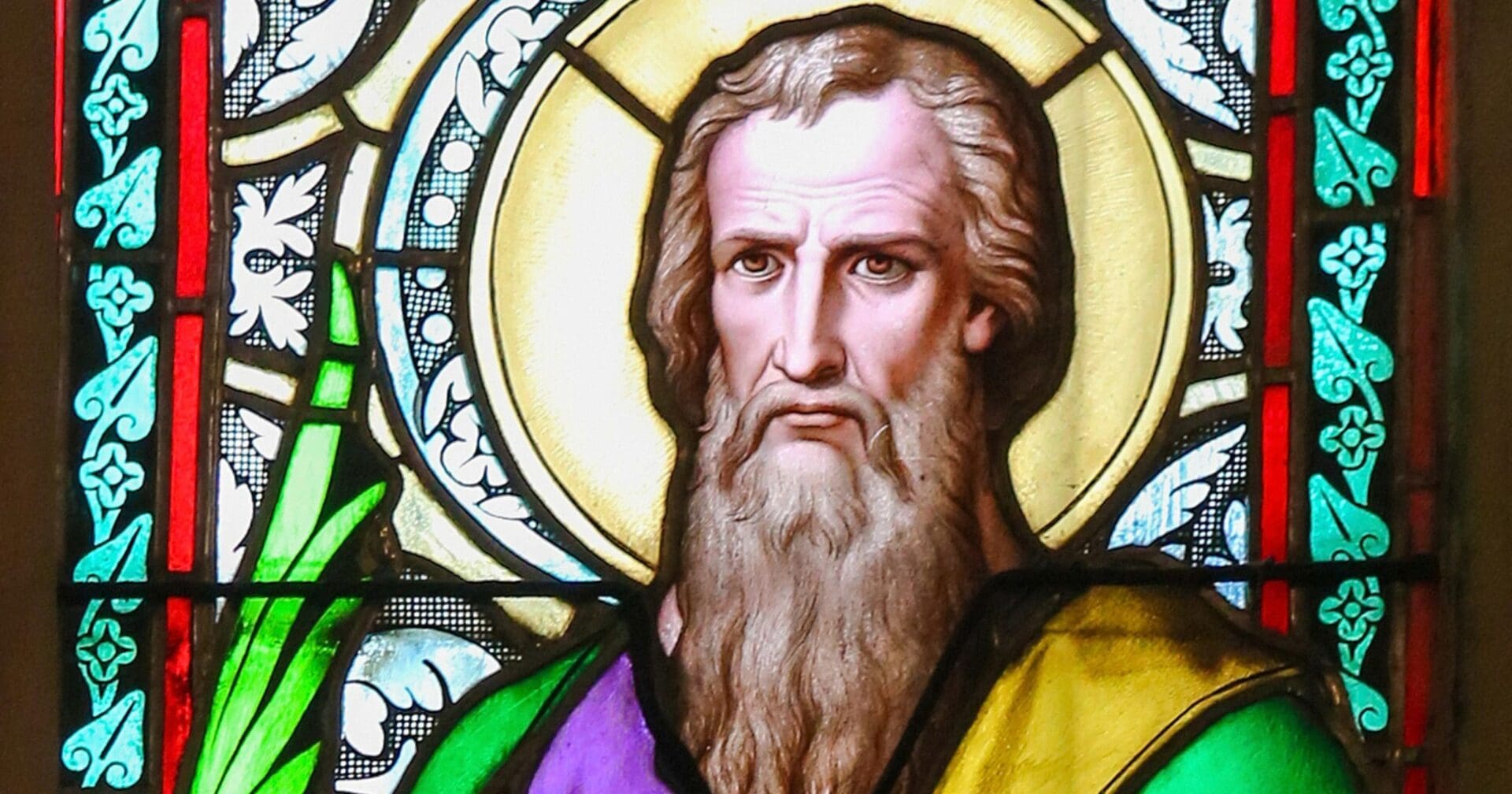
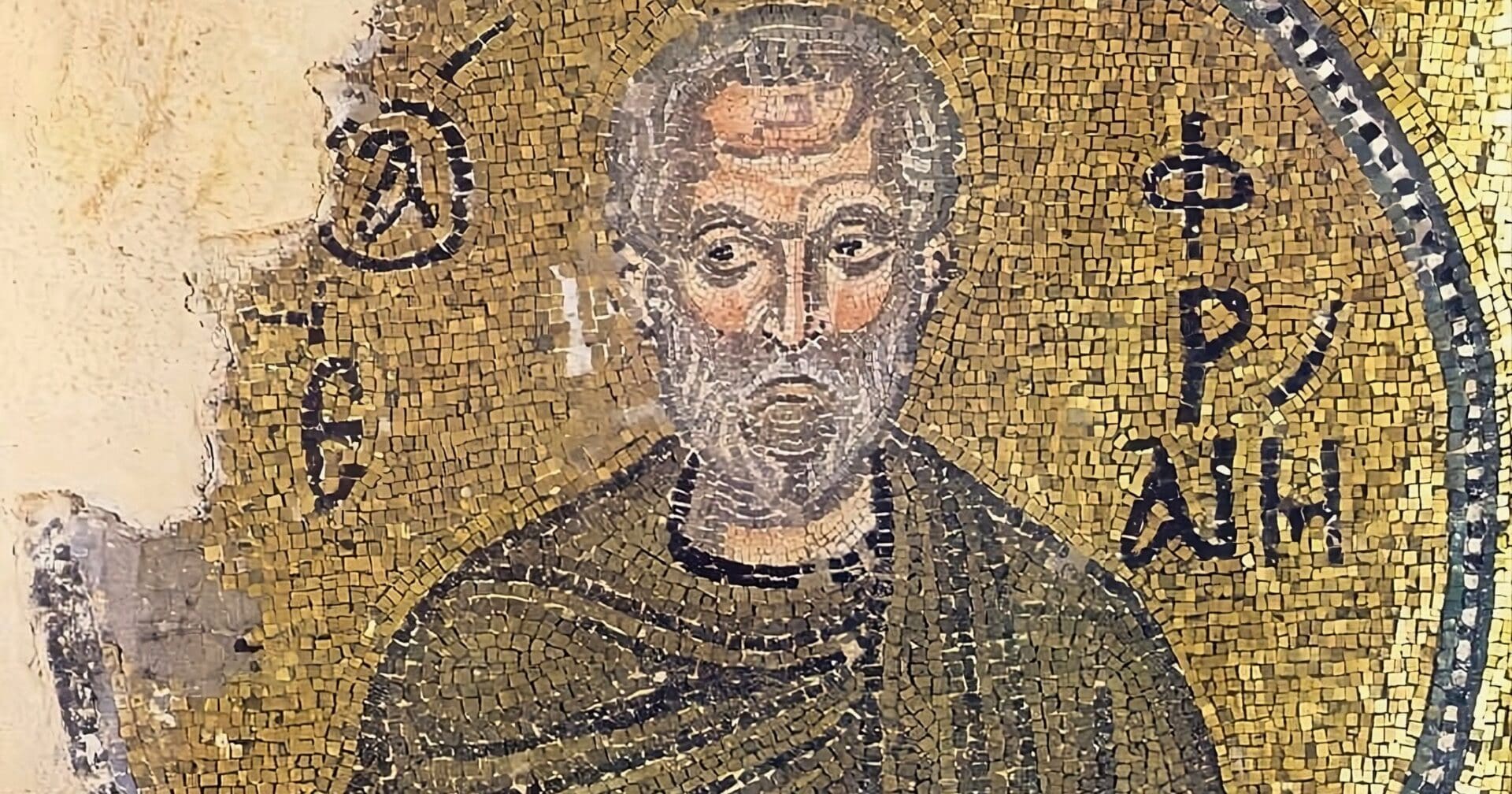
Saint Timothy, cherished disciple of Saint Paul, hailed from Lycaonia, likely from the city of Lystra. Born to a Gentile father and a Jewish mother, Eunice, Timothy was raised in a household where faith was central, a virtue shared with his grandmother, Lois. Both women were early adopters of Christianity, earning praise from Saint Paul for their steadfast faith. From a young age, Timothy immersed himself in the holy scriptures, laying a firm foundation for his future spiritual journey.

In 51 AD, when Saint Paul brought his teachings to Lycaonia, the local community of Iconium and Lystra spoke highly of Timothy. This glowing recommendation came at a pivotal moment for Paul, who had recently parted ways with Saint Barnabas. Recognizing Timothy’s potential, Paul chose him as a fellow laborer in his missionary works. However, before they set off, Paul circumcised Timothy in Lystra. This act wasn’t about adhering to the old Jewish customs, which had lost their obligatory status after Christ’s death, but rather about tactful cultural navigation. While Paul firmly opposed the compulsory nature of these rituals, as demonstrated by his refusal to circumcise the Gentile-born Titus, he chose a different path for Timothy. Being of Jewish lineage on his mother’s side, Timothy’s circumcision was a strategic move to facilitate his acceptance among Jewish communities and to dispel any notion of Paul’s opposition to Jewish traditions. This decision was lauded by Saint Chrysostom for its wisdom and compassion, highlighting Timothy’s readiness to embrace it for the greater good.

With the circumcision completed, Paul officially inducted Timothy into his ministry through the laying of hands, acknowledging Timothy’s exceptional virtues despite his youth. Paul held Timothy in the highest regard, seeing him as not just a disciple or son, but as a brother and partner in his mission. Timothy’s deep alignment with Paul’s vision and heart was unique, a bond celebrated by Paul in his communications with the Philippians. Timothy’s entry into ministry wasn’t just marked by Paul’s endorsement but also by prophecies that spoke of his future impact.

Their journey together was extensive and challenging. After leaving Lystra, they traversed Asia and ventured into Macedonia, spreading the word in cities like Philippi, Thessalonica, and Berea. In Berea, intense persecution from the Jews forced Paul to move on, but he left Timothy behind to strengthen and support the fledgling Christian community. When Paul reached Athens, he summoned Timothy but soon sent him to Thessalonica to offer solace and encouragement to the persecuted believers there. Timothy’s successful mission was detailed in his subsequent return to Paul in Corinth, prompting Paul’s first letter to the Thessalonians.

The mission continued with Paul heading to Jerusalem and then to Ephesus, where he spent two fruitful years. Planning a return to Greece, he dispatched Timothy and Erastus to Macedonia to prepare the believers for his coming and to organize the collection of alms for the Christians in Jerusalem.

Photo credit: Moralmonke via Wikimedia Commons

Love uCATHOLIC?
Get our inspiring content delivered to your inbox every morning – FREE!

The post Saint Timothy appeared first on uCatholic.

Daily Reading


Daily Meditation


Saint Paul’s transformation and life mission were profoundly shaped by a singular, pivotal encounter—his meeting with Jesus on the road to Damascus. This moment of revelation made him realize that his fervent dedication and dynamic energy had been misdirected, akin to a boxer punching aimlessly. Despite possibly never having seen Jesus, who was just a few years his senior, Paul had developed an intense animosity toward everything Jesus embodied, leading him to persecute the early Church fervently, as described in Acts 8:3b.

However, this intense encounter led to a radical internal shift. Paul felt as if he was overtaken, his entire being and purpose now aligned singularly towards serving Christ, engaging in the ministry of reconciliation, and aiding others in discovering the singular Savior.

The crux of his theological understanding was encapsulated in the profound revelation, “I am Jesus, whom you are persecuting” (Acts 9:5b). This statement illuminated for Paul how Jesus was intimately connected with the people he had been persecuting, representing the mysterious culmination of everything Paul had been zealously, albeit blindly, pursuing.

From that moment forward, Paul dedicated himself to the mission of “present[ing] everyone perfect in Christ. For this I labor and struggle, in accord with the exercise of his power working within me” (Colossians 1:28b-29), ensuring that the gospel was not just preached but also experienced powerfully and persuasively, as echoed in 1 Thessalonians 1:5a.

Paul’s life henceforth was an unwavering declaration and embodiment of the message of the cross: through baptism, Christians symbolically die to sin and are interred with Christ. They renounce everything sinful and unredeemed in the world, transitioning into a new creation, already partaking in Christ’s triumph and destined to rise from death just as he did. Through the resurrected Christ, God bestows the Spirit upon them, rejuvenating them entirely.

Therefore, Paul’s profound message to humanity was clear: Salvation is entirely an act of God, not something one can achieve. It’s a gift of complete, freely given, personal, and loving dedication to Christ, a commitment that naturally leads to greater deeds than any law could ever stipulate or foresee.

Editorial credit: Renata Sedmakova / Shutterstock.com

Love uCATHOLIC?
Get our inspiring content delivered to your inbox every morning – FREE!

The post Feast of the Conversion of Saint Paul appeared first on uCatholic.

Daily Reading


Daily Meditation


Daily Reading


Daily Meditation


Daily Reading


Daily Meditation


Daily Reading


Daily Meditation


Daily Reading


Daily Meditation


Daily Reading


Daily Meditation


We ask you, urgently: don’t scroll past this

Dear readers, Catholic Online was de-platformed by Shopify for our pro-life beliefs. They shut down our Catholic Online, Catholic Online School, Prayer Candles, and Catholic Online Learning Resources essential faith tools serving over 1.4 million students and millions of families worldwide. Our founders, now in their 70’s, just gave their entire life savings to protect this mission. But fewer than 2% of readers donate. If everyone gave just $5, the cost of a coffee, we could rebuild stronger and keep Catholic education free for all. Stand with us in faith. Thank you.

Help Now >

Image of Sts. Sarbelius & Barbea

Sts. Sarbelius & Barbea

Two martyrs, brother and sister, who were put to death at Edessa during the persecutions of Emperor Trajan. Sarbelius, also called Sharbel, was a high priest at Edessa, in Mesopotamia. They were … continue reading

Saint of the Day logo

More Saints of the Day

Tomorrow’s Saint

Image of St. Aldegunais

St. Aldegunais

Virgin and abess, also known as Adelgundis, Aldegonde, or Orgonne. She was a member of the royal family of the Merovingians and was raised by two saints: St. Walbert and St. Bertila, her parents. The … continue reading


More Saints

Join the Movement
When you sign up below, you don’t just join an email list – you’re joining an entire movement for Free world class Catholic education.

An Urgent Message from Sister Sara – Please Watch

Your browser does not support the video tag.

Catholic Online Logo

Copyright 2026 Catholic Online. All materials contained on this site, whether written, audible or visual are the exclusive property of Catholic Online and are protected under U.S. and International copyright laws, © Copyright 2026 Catholic Online. Any unauthorized use, without prior written consent of Catholic Online is strictly forbidden and prohibited.

Catholic Online is a Project of Your Catholic Voice Foundation, a Not-for-Profit Corporation. Your Catholic Voice Foundation has been granted a recognition of tax exemption under Section 501(c)(3) of the Internal Revenue Code. Federal Tax Identification Number: 81-0596847. Your gift is tax-deductible as allowed by law.

Daily Reading


Daily Meditation