

Listen to this reflection in English
Escuchar esta reflexión en español
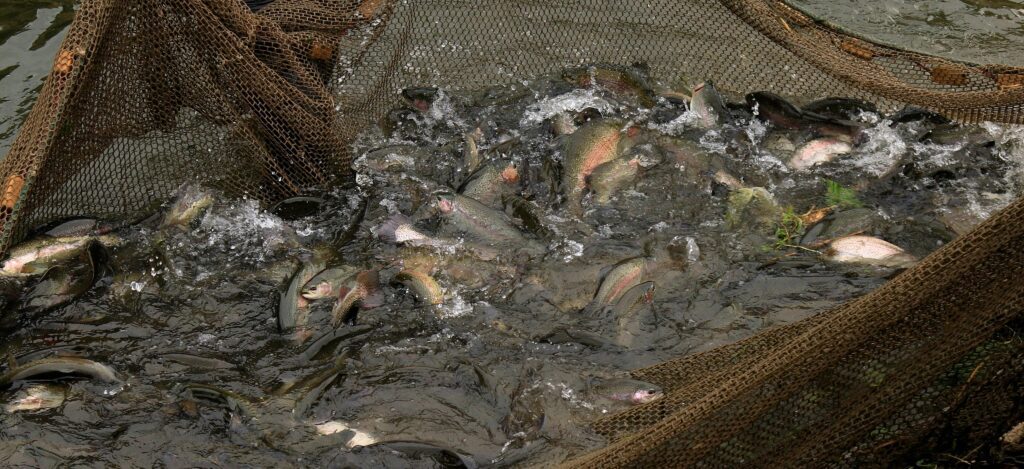
A fish does not know it is in water until it is removed from that water and is frantically trying to draw the breath of water across its gills. Similarly, we don’t think about the ocean of oxygen we move through each day until, for whatever reason, that oxygen becomes scarce.
Like that fish or that human deprived of oxygen, can those of us fully immersed in a culture shaped by over 2,000 years of Christianity truly recognize how radical the call of today’s Gospel was? Love those who hate you, give expecting nothing in return, forgive the unforgivable, love the unlovable. Unfathomable!
When Jesus arrived on the scene, he brought a whole new way of looking at the world and at each other. It seems He turned the world upside down, but as my pastor once pointed out, “The world was already upside-down; Christ came to turn it right-side-up.”
Jesus came to conquer the effects of sin on the world. His call was, and is, to offer humility instead of arrogance, to think of others before ourselves, to practice charity instead of greed, and to respond with mercy instead of brutality. Jesus called the people to recognize and respect the innate value of each person as a child of God.
During the centuries that followed Christ’s resurrection, the revolution that started with Jesus and a couple of local fishermen spread, changing hearts and minds, shaping civilization. Christ’s recognition of the dignity and equality of each person shaped Western moral thought. Human rights campaigns have been established on the foundational Christian idea that all are created in the image and likeness of God, and all are worthy of compassion and respect.
In fact, the spread of Christianity influenced every aspect of life. Art, music, and literature reflected the beauty of Christian themes. Christian institutions established schools and universities to promote literacy and learning to every station of life, and many of our most influential early scientists were inspired by their faith to explore the wonders of creation. Further, the universal call of Christ for care and compassion led his followers to establish hospitals, orphanages, and charitable organizations.
These radical ideas even entered the political realm when just over 250 years ago, a new nation was formed founded on the revolutionary idea that all are created equal, “endowed by their Creator with certain unalienable Rights, that among these are Life, Liberty and the pursuit of Happiness.” (Declaration of Independence, 1776)
We’ve had the grace of swimming in this sea for so long that perhaps we’ve lost sight of how we got here. Some seem to believe that somehow Western civilization can survive separate from the faith that urged it into being. Can it? Without Him, can we live up to the call we hear from Jesus in the Gospel today? Or, instead, will we find ourselves like that frantic fish out of water, gasping for the life-sustaining breath of Christ?
Un pez no sabe que está en el agua hasta que es sacado de ella e intenta frenéticamente aspirar el agua a través de sus branquias. Del mismo modo, nosotros no pensamos en el oxígeno en el que nos movemos cada día hasta que, por cualquier razón, ese oxígeno se hace escaso.
Al igual que ese pez o ese ser humano privado de oxígeno, ¿podemos acaso quienes estamos plenamente inmersos en una cultura moldeada por más de 2.000 años de cristianismo reconocer verdaderamente cuán radical fue el llamado del Evangelio de hoy? Amar a quienes nos odian, dar sin esperar nada a cambio, perdonar lo imperdonable, amar a quienes parecen imposibles de amar. ¡Es algo insondable!
Cuando Jesús llegó a la escena, trajo consigo una forma totalmente nueva de ver el mundo y de vernos los unos a los otros. Parecería que puso el mundo patas arriba, pero, como señaló una vez mi pastor: “El mundo ya estaba patas arriba; Cristo vino para ponerlo del lado correcto”.
Jesús vino para vencer los efectos del pecado en el mundo. Su llamado fue —y sigue siendo— ofrecer humildad en lugar de arrogancia, pensar en los demás antes que en nosotros mismos, practicar la caridad en lugar de la codicia, y responder con misericordia en lugar de brutalidad. Jesús llamó a las personas a reconocer y respetar el valor intrínseco de cada individuo como hijo de Dios.
Durante los siglos que siguieron a la resurrección de Cristo, la revolución que comenzó con Jesús y un par de pescadores locales se extendió, transformando corazones y mentes, y moldeando la civilización. El reconocimiento que Cristo hizo de la dignidad y la igualdad de cada persona dio forma al pensamiento moral occidental. Las campañas en favor de los derechos humanos se han cimentado en la idea cristiana fundamental de que todos hemos sido creados a imagen y semejanza de Dios, y de que todos somos dignos de compasión y respeto.
De hecho, la expansión del cristianismo influyó en cada aspecto de la vida. El arte, la música y la literatura reflejaron la belleza de los temas cristianos. Las instituciones cristianas fundaron escuelas y universidades para promover la alfabetización y el aprendizaje en todos los estratos sociales, y muchos de nuestros primeros y más influyentes científicos se sintieron inspirados por su fe para explorar las maravillas de la creación. Además, el llamado universal de Cristo al cuidado y la compasión hacia los demás llevó a sus seguidores a fundar hospitales, orfanatos y organizaciones benéficas.
Estas ideas radicales incluso incursionaron en el ámbito político cuando, hace poco más de 250 años, se formó una nueva nación fundada sobre la idea revolucionaria de que todos los hombres son creados iguales, “dotados por su Creador de ciertos derechos inalienables, entre los cuales se encuentran la Vida, la Libertad y la búsqueda de la Felicidad” (Declaración de Independencia de EEUU, 1776).
Hemos tenido la gracia de nadar en este mar durante tanto tiempo que, tal vez, hemos perdido de vista cómo llegamos hasta aquí. Algunos parecen creer que, de algún modo, la civilización occidental puede sobrevivir separada de la fe que le dio origen. ¿Es eso posible? Sin Él, ¿podremos estar a la altura del llamado que hoy escuchamos de Jesús en el Evangelio? ¿O, por el contrario, nos hallaremos como aquel pez frenético fuera del agua, buscando desesperadamente el aliento vivificante de Cristo?
 Pamela Kavanaugh is a grateful wife, mother, and grandmother who has dedicated her professional life to Catholic education. Though she has done her very best to teach her students well in the subjects of language and religion, she knows that she has learned more than she has taught. She lives, teaches, and writes in southwest suburban Chicago.
Feature Image Credit: Collab Media, unsplash.com/photos/a-bunch-of-fish-that-are-in-some-water-syktLyfonaI
The views and opinions expressed in the Inspiration Daily blog are solely those of the original authors and contributors. These views and opinions do not necessarily represent those of Diocesan, the Diocesan staff, or other contributors to this blog.
Daily Reading

Thursday of the Twenty-third Week in Ordinary Time
Reading 1 1 Corinthians 8:1b-7, 11-13 Brothers and sisters:Knowledge inflates with pride, but love builds up.If anyone supposes he knows something,he does not yet know as he ought to know.But…
Saint of the Day
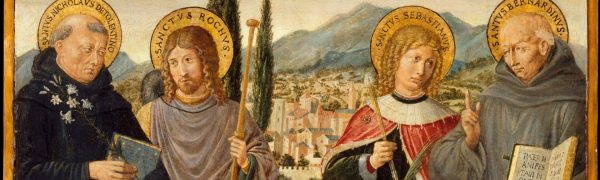
Saint Nicholas of Tolentino
Saint Nicholas of Tolentino, born in 1245 in Ancona, Italy, was an Augustinian friar known for preaching, miracles, and compassionate service. The post Saint Nicholas of Tolentino appeared first on