

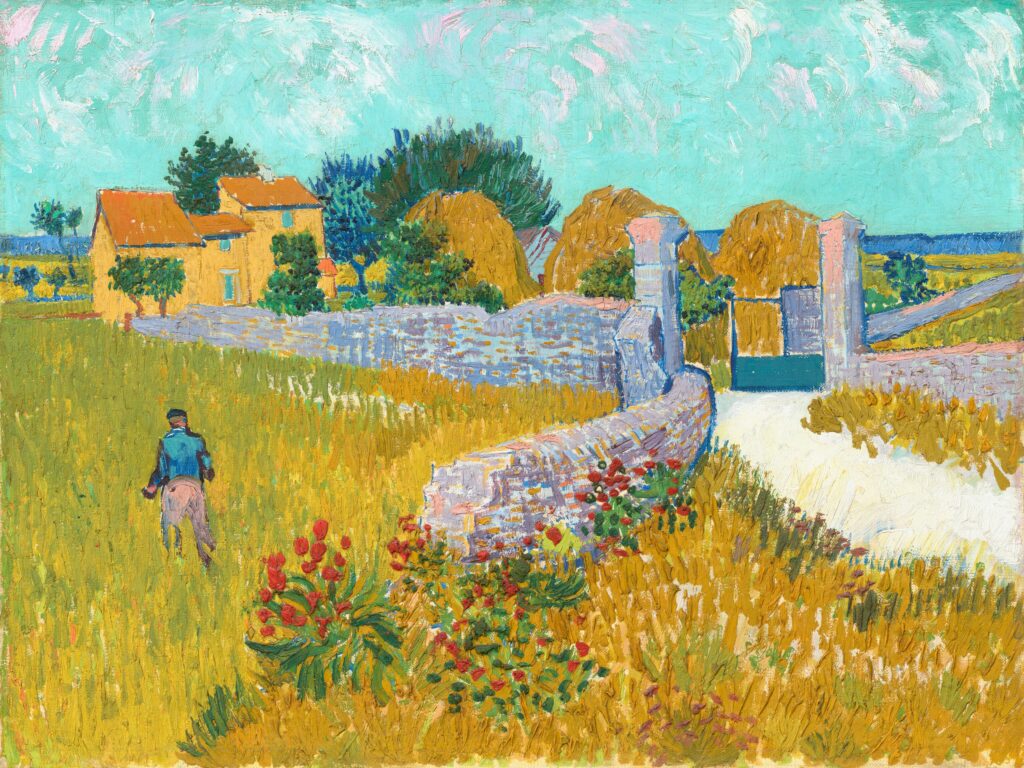
The Kingdom of Heaven is like a wheat field, like a mustard seed, like yeast. What do all these have in common? Time. Each requires patience in order for their work to be complete.
A sower plants a wheat field and an enemy sows weeds shortly after. The sower doesn’t know about this unhappy circumstance until the seeds begin to grow and show themselves for what they are. Rather than showing displeasure, the sower chooses patience. He tells his servants to wait for the crop to be full grown before handling the problem of the weeds. His patience doesn’t change the situation, but it does create the space for the seeds to do their work.
The same patience is needed for mustard seeds. Seeds need time to germinate, often at least a week. For that week it looks like the sower has nothing to show for the work he has done. The soil just sits there, all the work is happening below the surface away from curious eyes. If the sower doesn’t wait and digs up the seeds to see if they are growing, they will die.
Yeast works in a similar way. It’s so small we cannot see it at work. But step away from the flour, water, and salt for a few hours and the evidence will be plain that a great change has taken place.
The Kingdom of Heaven is just like the wheat field, the seed, the yeast. It is a present reality and at the same time is developing, anticipating, growing. We live in the midst of the Kingdom of God and we still have work to do to bring about the Kingdom of God.
We usually talk about the end times and the fulfillment of the Kingdom during the close of the liturgical year and into Advent. But I think it’s so good that the Church brings it to our attention today, right in the middle of Ordinary Time. The Kingdom of Heaven is here, even if here is on vacation. The Kingdom of Heaven is here even when our usual routines and schedules are upside down. No matter what sort of Ordinary Time we are experiencing, the Kingdom of Heaven is in the midst of it.
We can learn so much about God from the sower. He doesn’t get anxious or overreact when he finds out about the weeds in his carefully planted field. He doesn’t say to scrap the whole project or abandon it to the birds. He continues to care and tend for the field as he intended to, giving the wheat the chance to be stronger than the weeds. As baptized children of God, we receive this same care and love. We are accompanied and cherished by God, even when the weeds try to grow tall all around us.
El Reino de los Cielos es como un campo de trigo, como una semilla de mostaza, como la levadura. ¿Qué tienen todos en común? Tiempo. Cada uno requiere paciencia para completar su obra.
Un sembrador planta un campo de trigo y un enemigo siembra cizaña poco después. El sembrador desconoce esta desgraciada circunstancia hasta que las semillas empiezan a crecer y se manifiestan tal como son. En lugar de mostrar desagrado, el sembrador elige la paciencia. Les dice a sus siervos que esperen a que la cosecha madure por completo antes de ocuparse del problema de la cizaña. Su paciencia no cambia la situación, pero sí crea el espacio para que las semillas hagan su trabajo.
La misma paciencia se necesita para las semillas de mostaza. Las semillas necesitan tiempo para germinar, a menudo al menos una semana. Durante esa semana, parece que el sembrador no tiene nada que mostrar del trabajo realizado. La tierra simplemente permanece allí, todo el trabajo se realiza bajo la superficie, lejos de miradas curiosas. Si el sembrador no espera y desentierra las semillas para ver si crecen, morirán.
La levadura funciona de forma similar. Es tan pequeña que no podemos verla en acción. Pero aléjate de la harina, el agua y la sal durante unas horas y la evidencia de un gran cambio será evidente.
El Reino de los Cielos es como el campo de trigo, la semilla, la levadura. Es una realidad presente y, al mismo tiempo, se desarrolla, anticipa y crece. Vivimos en medio del Reino de Dios y aún tenemos trabajo por hacer para que se haga realidad.
Solemos hablar del fin de los tiempos y del cumplimiento del Reino al final del año litúrgico y en Adviento. Pero creo que es muy bueno que la Iglesia nos lo traiga hoy, justo en medio del Tiempo Ordinario. El Reino de los Cielos está aquí, aunque estemos de vacaciones. El Reino de los Cielos está aquí incluso cuando nuestras rutinas y horarios habituales están patas arriba. No importa qué tipo de Tiempo Ordinario estemos viviendo, el Reino de los Cielos está en medio de él.
Podemos aprender mucho del sembrador sobre Dios. Él no se angustia ni reacciona exageradamente al descubrir la cizaña en su campo cuidadosamente plantado. No dice que descartemos todo el proyecto ni que se lo dejemos a los pájaros. Él continúa cuidando y atendiendo el campo como lo planeó, dándole al trigo la oportunidad de ser más fuerte que la cizaña. Como hijos bautizados de Dios, recibimos este mismo cuidado y amor. Dios nos acompaña y nos cuida, incluso cuando la cizaña intenta crecer alta a nuestro alrededor.
Kate Taliaferro is an Air Force wife and mother. She is blessed to be able to homeschool, bake bread and fold endless piles of laundry. When not planning a school day, writing a blog post or cooking pasta, Kate can be found curled up with a book or working with some kind of fiber craft. Kate blogs at Faith Through a Focolare Focus and the link is https://katetaliaferro.substack.com.
Feature Image Credit: Vincent van Gogh, nga.gov/artworks/52178-farmhouse-provence
The views and opinions expressed in the Inspiration Daily blog are solely those of the original authors and contributors. These views and opinions do not necessarily represent those of Diocesan, the Diocesan staff, or other contributors to this blog.
Daily Reading

Monday of the Sixteenth Week in Ordinary Time
Reading 1 Micah 6:1-4, 6-8 Hear what the LORD says:Arise, present your plea before the mountains,and let the hills hear your voice!Hear, O mountains, the plea of the LORD,pay attention,…
Saint of the Day
Saint Joseph Barsabas
Contesting Saint Matthias to replace Judas, Saint Joseph Barsabas preached globally and performed miracles, earning the title ‘the Just’. The post Saint Joseph Barsabas appeared first on uCatholic.