


My go-to response when my prayers weren’t answered used to be to take it as a personal failure of faith. If only I had prayed harder, said all the right words, picked the perfect novena, then God would have given me what I asked for!
I erroneously believed that my actions and words are what move God’s heart, but today’s Gospel gently (okay… not so gently) challenges that way of thinking. Here we witness the disciples—faithful followers, handpicked by Jesus—unable to heal the boy. Not seeing the results they expected, with prayers unanswered and miracles that once seemed easy now out of reach, the disciples begin to wonder, “What are we doing wrong?”
As I read this Scripture, I find myself internally whispering, “Well… that’s kinda comforting.” If they struggled, maybe my own moments of “Why isn’t this working, Lord?” aren’t failures—they’re invitations to stop trying to find the magic prayer formula and instead to trust Jesus more.
The father in this Gospel doesn’t arrive with perfect faith. He comes desperate. Honest. A little worn down. And isn’t that exactly how most of us show up in prayer? He becomes a living example of what St. Paul taught, that “when we are weak, then we are strong” (2 Cor 12:10).
In so much of life, we’re trained to rely on effort, strategy, and doing more. But faith? Faith is different. It’s quieter. Simpler. Sometimes it looks like showing up again with the same prayer you prayed yesterday… and the day before that. Knowing it is not what we say, but with the heart in which we say whatever words come tumbling out.
Maybe the disciples’ struggle wasn’t about failure but rather about dependence. A reminder that this life of faith was never meant to be powered by our own strength. “Jesus, I trust You… even here.” So today, instead of striving for “bigger” faith, I’m leaning into truer faith. Authentic and surrendered, because apparently… that’s all Jesus needs to start moving mountains.
Mi respuesta habitual cuando mis oraciones no eran respondidas solía ser tomarlo como un fracaso personal de fe. ¡Si tan solo hubiera rezado con más intensidad, dicho todas las palabras correctas, elegido la novena perfecta, entonces Dios me habría concedido lo que pedía!
Creía erróneamente que mis acciones y palabras eran lo que conmovía el corazón de Dios; sin embargo, el Evangelio de hoy desafía suavemente (bueno, capaz no tan suavemente) esa forma de pensar. Aquí somos testigos de cómo los discípulos —seguidores fieles, elegidos personalmente por Jesús— son incapaces de sanar al muchacho. Al no ver los resultados que esperaban, con oraciones sin respuesta y milagros que antes parecían sencillos ahora fuera de su alcance, los discípulos comienzan a preguntarse: “¿Qué estamos haciendo mal?”
Al leer este pasaje de la Escritura, me encuentro susurrando por dentro: “Bueno… eso es, en cierto modo, reconfortante”. Si ellos tuvieron dificultades, tal vez mis propios momentos de preguntarme “¿Por qué no funciona esto, Señor?” no sean fracasos, sino invitaciones a dejar de buscar la fórmula mágica de la oración y, en su lugar, a confiar más en Jesús.
El padre de este Evangelio no llega con una fe perfecta. Llega desesperado. Sincero. Un poco agotado. ¿Y acaso no es exactamente así como la mayoría de nosotros nos presentamos ante la oración? Él se convierte en un ejemplo vivo de lo que enseñó San Pablo: que “cuando somos débiles, entonces somos fuertes” (2 Co 12,10).
En gran parte de la vida, se nos enseña a depender del esfuerzo, de la estrategia y de hacer “más”. Pero, ¿la fe? La fe es diferente. Es más silenciosa. Más sencilla. A veces consiste simplemente en volver a presentarse con la misma oración que rezaste ayer y anteayer. Sabiendo que no importa tanto lo que decimos, sino el corazón con el que pronunciamos las palabras que brotan espontáneamente.
Tal vez la lucha de los discípulos no se trataba de un fracaso, sino más bien de dependencia. Un recordatorio de que esta vida de fe nunca estuvo destinada a ser impulsada por nuestras propias fuerzas. “Jesús, confío en Ti… incluso aquí”. Así que hoy, en lugar de esforzarme por alcanzar una fe “más grande”, me inclino hacia una fe más auténtica. Una fe genuina y entregada; porque, al parecer… eso es todo lo que Jesús necesita para comenzar a mover montañas.
 Allison Gingras (www.ReconciledToYou.com ) shares an everyday Catholic faith with humor and honesty. Her writing includes The Handy Little Guide to Novenas (OSV), Encountering Signs of Faith (Ave Maria Press), the Stay Connected Journals for Catholic Women (OSV), and her newest book, Jesus Heals (OSV), published in 2025. Allison is the Director of Digital Evangelization for Family Rosary USA.
Daily Reading

Nineteenth Sunday in Ordinary Time
Reading 1 1 Kings 19:9a, 11-13a At the mountain of God, Horeb,Elijah came to a cave where he took shelter. Then the LORD said to him,“Go outside and stand on the…
Saint of the Day
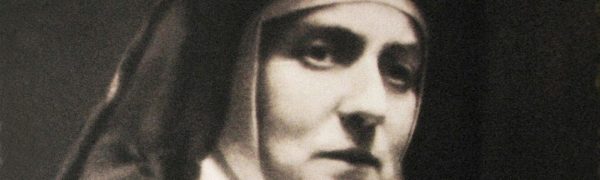
Saint Teresa Benedicta of the Cross (Edith Stein)
St. Teresa Benedicta (Edith Stein), German philosopher turned nun, converted from atheism, martyred in Auschwitz, canonized in 1998, patron saint of Europe. The post Saint Teresa Benedicta of the Cross