
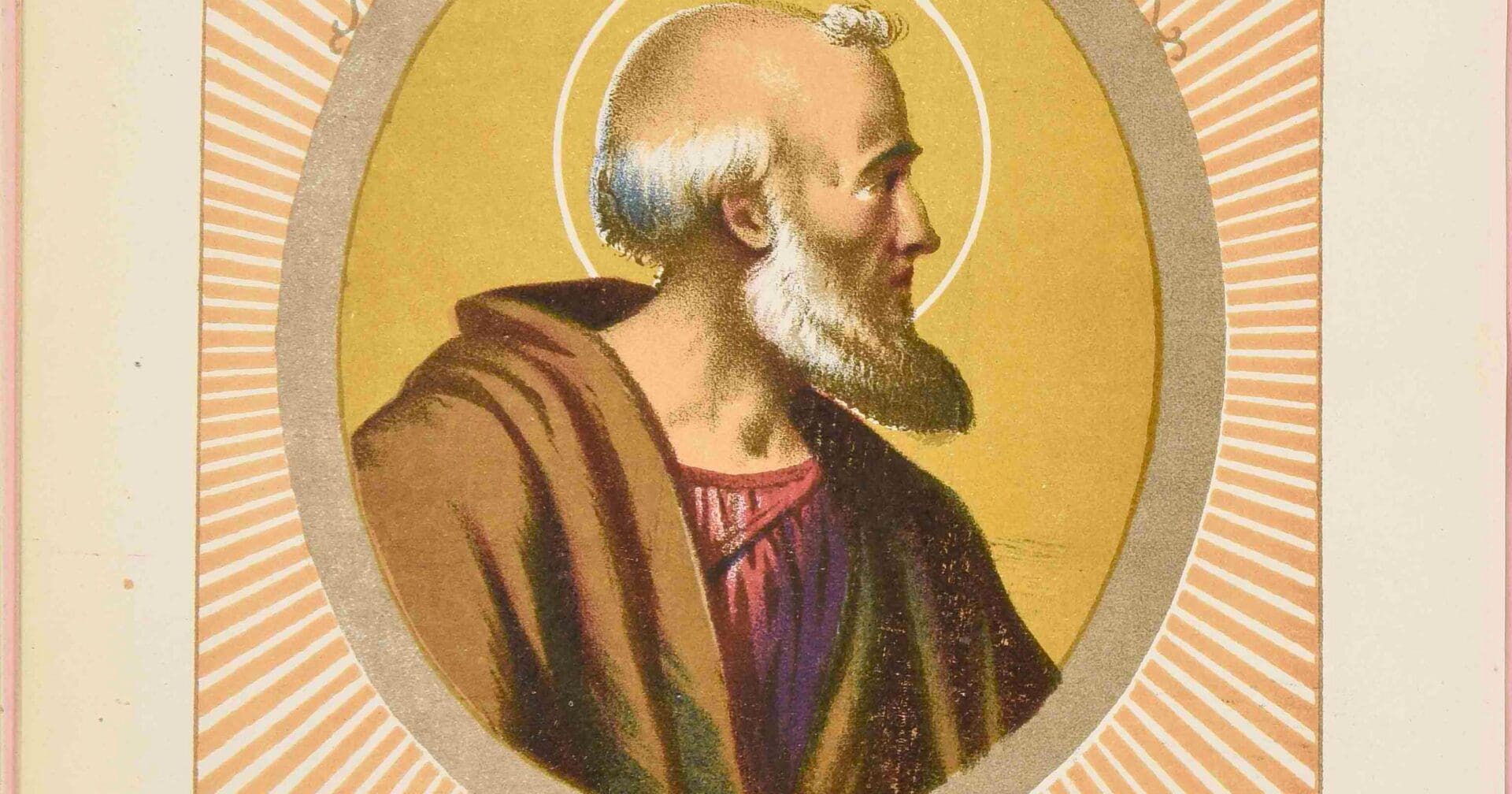
Pope Saint Simplicius, originating from Tivoli, ascended to the papacy following St. Hilary, marking the beginning of a tenure that contrasted a peaceful election with tumultuous times. The backdrop of his papacy was a Western Roman Empire in decline, spiraling into disarray after the assassination of Valentinian III in 455. This period saw a carousel of nine ephemeral emperors, largely puppets maneuvered by barbarian generals. The notable climax of this disintegration occurred during Simplicius’s papacy in 476, when Odovakar, a Heruli leader, overthrew the last emperor and proclaimed his governance to Emperor Zeno of Constantinople, symbolizing the effective end of Roman authority in the West. Various barbarian tribes had already carved out their territories: Visigoths in Spain, Franks and other groups in Gaul, Vandals in Africa, and the British Isles left to native and invading peoples.
Despite the seismic political shifts, Pope Simplicius found a relatively cooperative ruler in Odovakar, an Arian, who nonetheless maintained a benign stance towards the Church. However, the tranquility in the West was starkly contrasted by turbulence in the Eastern Roman Empire. The year 475 saw Basiliscus usurp Emperor Zeno, initiating a brief era of ascendancy for Monophysitism, a doctrinal controversy that Simplicius found deeply troubling. Under Basiliscus’s encouragement, notable Monophysites reclaimed positions of power, and the “Encyclion” decree sought to undermine the Council of Chalcedon’s teachings, propelling the East towards theological crisis. Yet, Constantinople remained a bastion of orthodoxy, partly due to Pope Simplicius’s fervent support of its clerical resistance against the usurper.
The pendulum swung back when Zeno reclaimed the throne, displacing Monophysite leaders and restoring Catholic authority, a transition that Simplicius viewed as pivotal for the Eastern Church’s survival. However, this respite was fleeting. The subsequent patriarchal election in Alexandria became a new focal point of controversy, leading to a divisive endorsement of Peter the Hoarse by Zeno and Patriarch Acacius, despite Simplicius’s objections. Their collaboration culminated in the Henoticon in 482, an attempted theological compromise that emerged too late for Simplicius to witness its full impact, as he passed away in 483.
Throughout his papacy, St. Simplicius contributed to the spiritual landscape of Rome by founding four churches, leaving a lasting legacy. His death on March 2 is commemorated as his feast day, marking the end of a papacy that navigated the Church through one of history’s pivotal junctures, balancing the ecclesiastical integrity amidst the fading echoes of Roman power in the West and doctrinal challenges in the East.
Photo credit: Public Domain via Wikimedia Commons

The post Pope Saint Simplicius appeared first on uCatholic.
Daily Reading

Second Sunday of Easter (or Sunday of Divine Mercy)
Reading 1 Acts 2:42-47 They devoted themselvesto the teaching of the apostles and to the communal life,to the breaking of bread and to the prayers.Awe came upon everyone,and many wonders…
Daily Meditation

A Well of Mercy
Click here for daily readings How I wish I could be Thomas at the moment when Jesus says, “Put your finger here and see my hands, and bring your hand…