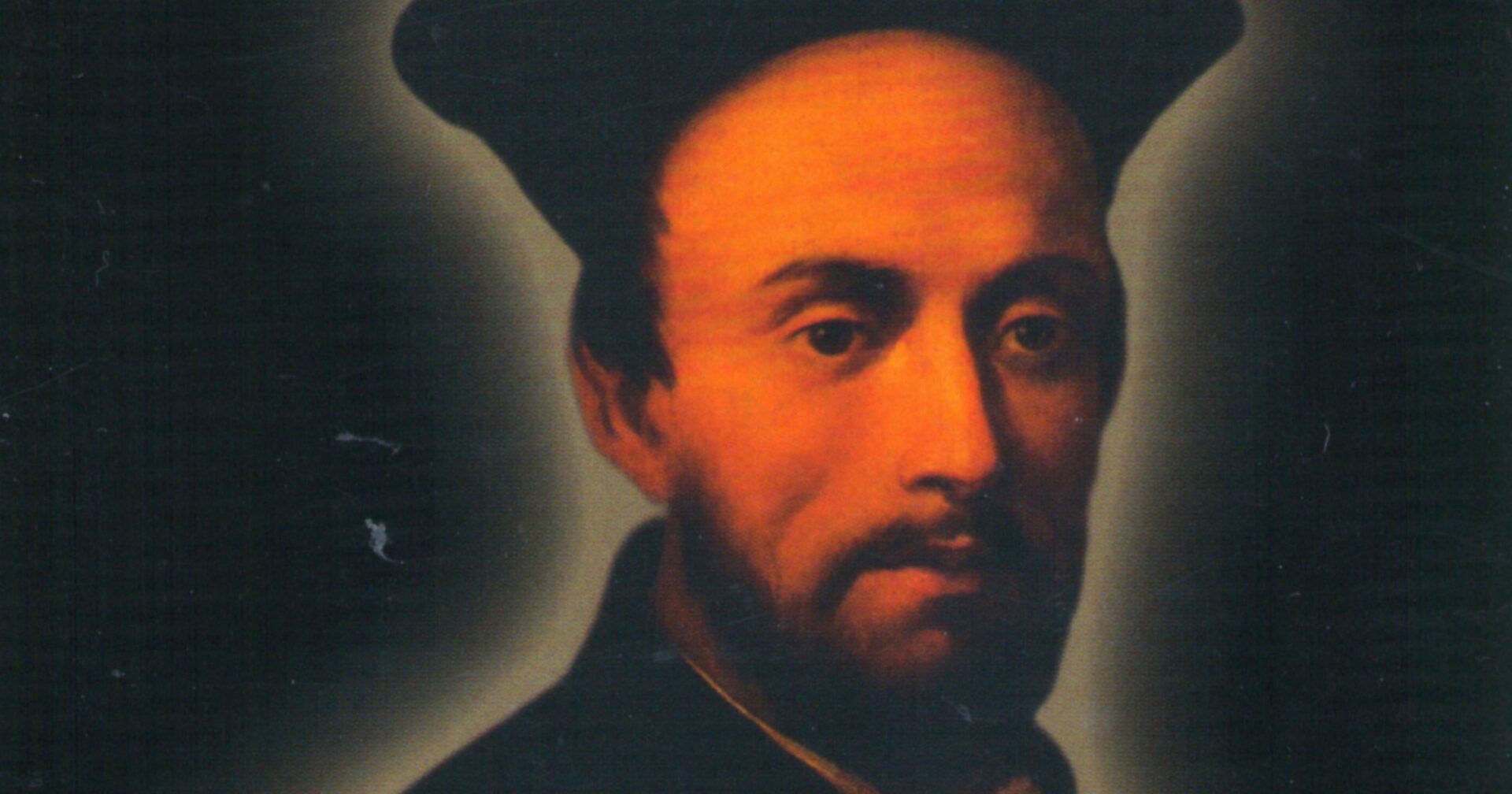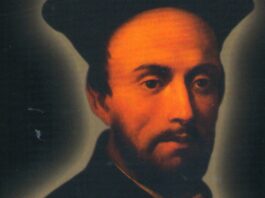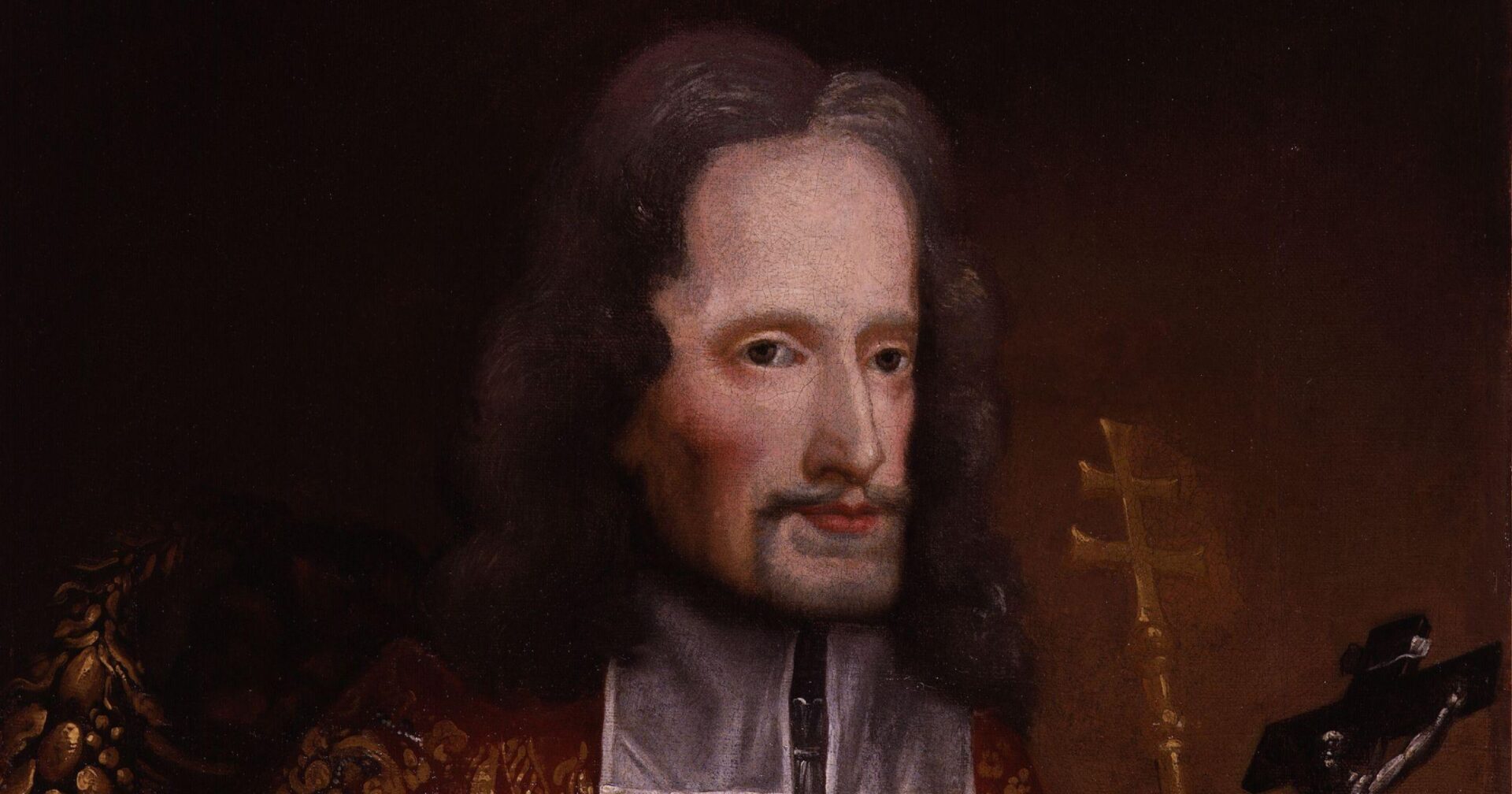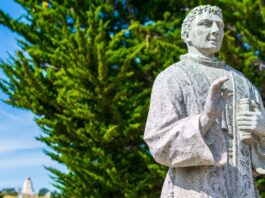

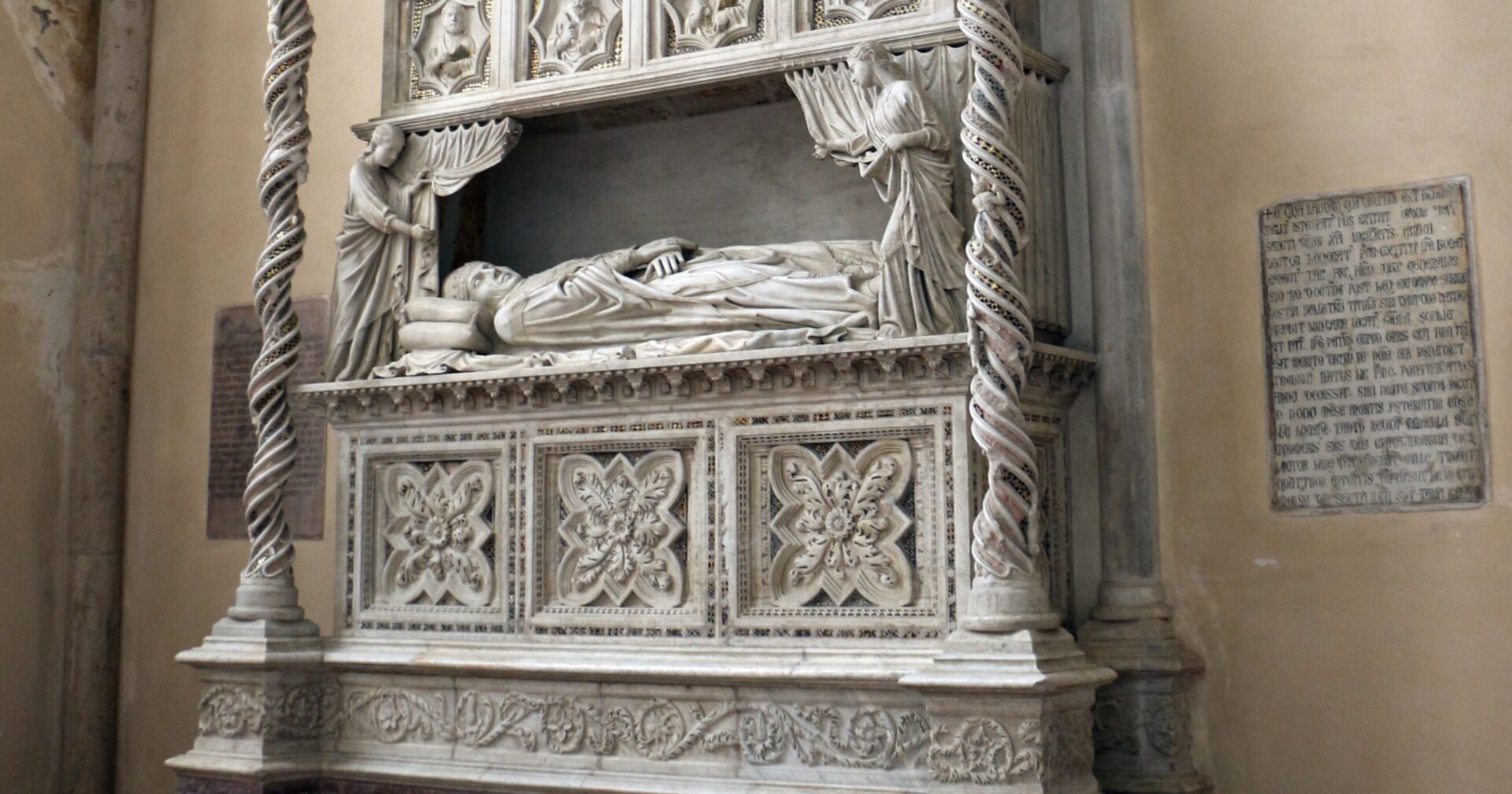
Pope Saint Benedict XI, originally known as Nicholas Boccasini, was born in Treviso, Italy, in 1240 and passed away on 7 July, 1304, in Perugia. He joined the Dominican Order when he was only 14 years old. After dedicating 14 years to his studies, he ascended to the position of lector of theology, a role he held for several years.

In 1296, amid growing hostility towards Pope Boniface VIII, Boccasini was elected as the Master General of the Order. As the leader, he issued a directive that none of his subjects should support the Pope’s opponents in any manner. He further instructed them to affirm the legitimacy of Boniface’s election in their sermons, if it was fitting to do so. Boccasini’s unwavering loyalty was appreciated by Boniface, who expressed his gratitude through various signs of favour and confidence.

Boccasini was entrusted with a critical mission to negotiate an armistice between the warring nations of England, led by Edward I, and France, led by Philip IV. He executed this mission alongside two cardinal-legates appointed by Boniface.

In 1298, Boccasini was elevated to the position of a cardinal. Later, he was designated as the Bishop of Ostia and the Dean of the Sacred College. His role extended further when Hungary was plunged into civil war. The Holy See assigned him as their representative to broker peace in the nation. Upon his return to Rome, Boccasini found himself in the midst of the intense conflict between Boniface VIII and Philip the Fair. Even when Pope Boniface VIII was overpowered by his enemies in the sacred palace, Boccasini stood by the Pope’s side, along with the Cardinal-Bishop of Sabina, to defend him against the aggression of William of Nogaret and Sciarra Colonna.

Boccasini’s loyalty was rewarded when, a month after the violence against Boniface, he was unanimously elected Pope on October 22, 1303. He took the name Benedict XI. The major accomplishment of his pontificate was the reconciliation with the French court. However, his reign was abruptly ended after just eight months when he suddenly died in Perugia. There were suspicions, not entirely unfounded, that his untimely death was a result of poisoning by William of Nogaret.

Benedict XI was beatified in 1773, and his feast is celebrated on July 7th in Rome and throughout the Dominican Order. He left behind a wealth of written works, including a collection of sermons and commentaries on parts of the Gospel of St. Matthew, the Psalms, the Book of Job, and the Apocalypse.

Photo credit: Sailko via Wikimedia Commons

Love uCATHOLIC?
Get our inspiring content delivered to your inbox every morning – FREE!

The post Pope Saint Benedict XI appeared first on uCatholic.

Daily Reading

 

Daily Meditation


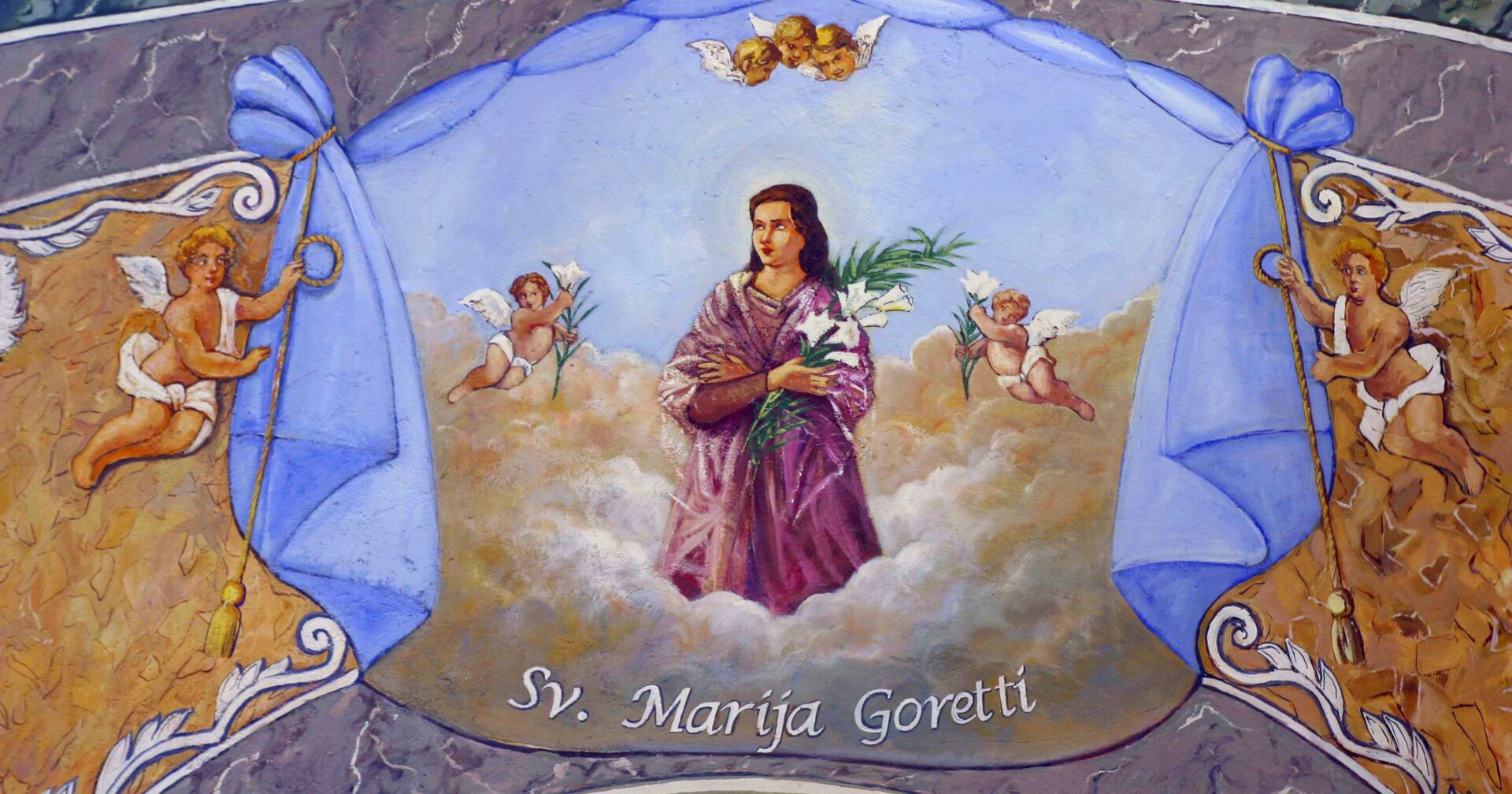
The canonization of Saint Maria Goretti (1890-1902), which drew an immense crowd of 250,000 attendees, stands as a testament to the profound influence of her poignant life story that touched millions across the globe.

Maria was the daughter of a financially-strained Italian tenant farmer. Despite never having the chance to attend school or learn to read or write, her spiritual depth was remarkable. By the time she partook in her First Communion, she was comparatively older and less academically advanced than her peers, yet her commitment to her faith remained unwavering.

One sweltering afternoon in July, an event unfolded that would seal Maria’s fate and set the stage for her future sainthood. The barely twelve-year-old Maria, physically mature for her age, was repairing a shirt atop the stairs of her family home. Suddenly, a cart pulled up, and Alessandro, an 18-year-old neighbor, charged up the stairs, assaulting Maria and dragging her into a nearby bedroom. Throughout the traumatic ordeal, Maria vehemently resisted and called for divine intervention, warning Alessandro of the mortal sin he was about to commit.

After the violent confrontation, Maria was transported to a hospital where she spent her final hours. Even amidst her personal suffering, her empathetic and compassionate nature shone through. She expressed concerns for her mother’s comfort, offered forgiveness to her attacker (whom she had feared yet never spoken out against to avoid burdening his family), and enthusiastically embraced her last Holy Communion. Roughly 24 hours post the traumatic incident, Maria succumbed to her injuries.

Alessandro, Maria’s assailant, was condemned to a 30-year prison sentence. For a considerable period, he remained defiant and moody, showing no remorse for his actions. However, one night, a transformative dream featuring Maria offering him flowers initiated a profound shift in his disposition. Upon release from prison after serving 27 years, a reformed Alessandro sought Maria’s mother to plead for her forgiveness, marking the beginning of his penitence journey.

Maria’s martyrdom inspired devotion and reverence, prompting reports of miracles associated with her. In less than fifty years after her demise, she was canonized. Notably, her mother, then aged 82, along with two of Maria’s sisters and a brother, graced the beatification ceremony in 1947, standing alongside Pope Pius XII on the balcony of St. Peter’s. Three years later, at her canonization, an emotional 66-year-old Alessandro Serenelli was spotted amidst the crowd of a quarter-million, shedding tears of joy and redemption.

Photo credit: Zvonimir Atletic / Shutterstock.com

Love uCATHOLIC?
Get our inspiring content delivered to your inbox every morning – FREE!

The post Saint Maria Goretti appeared first on uCatholic.

Daily Reading


Daily Meditation


During the same era as Martin Luther’s groundbreaking protests, attempts to reform the Church from within were already underway. A prominent figure in this Counter-Reformation was Saint Anthony Zaccaria.

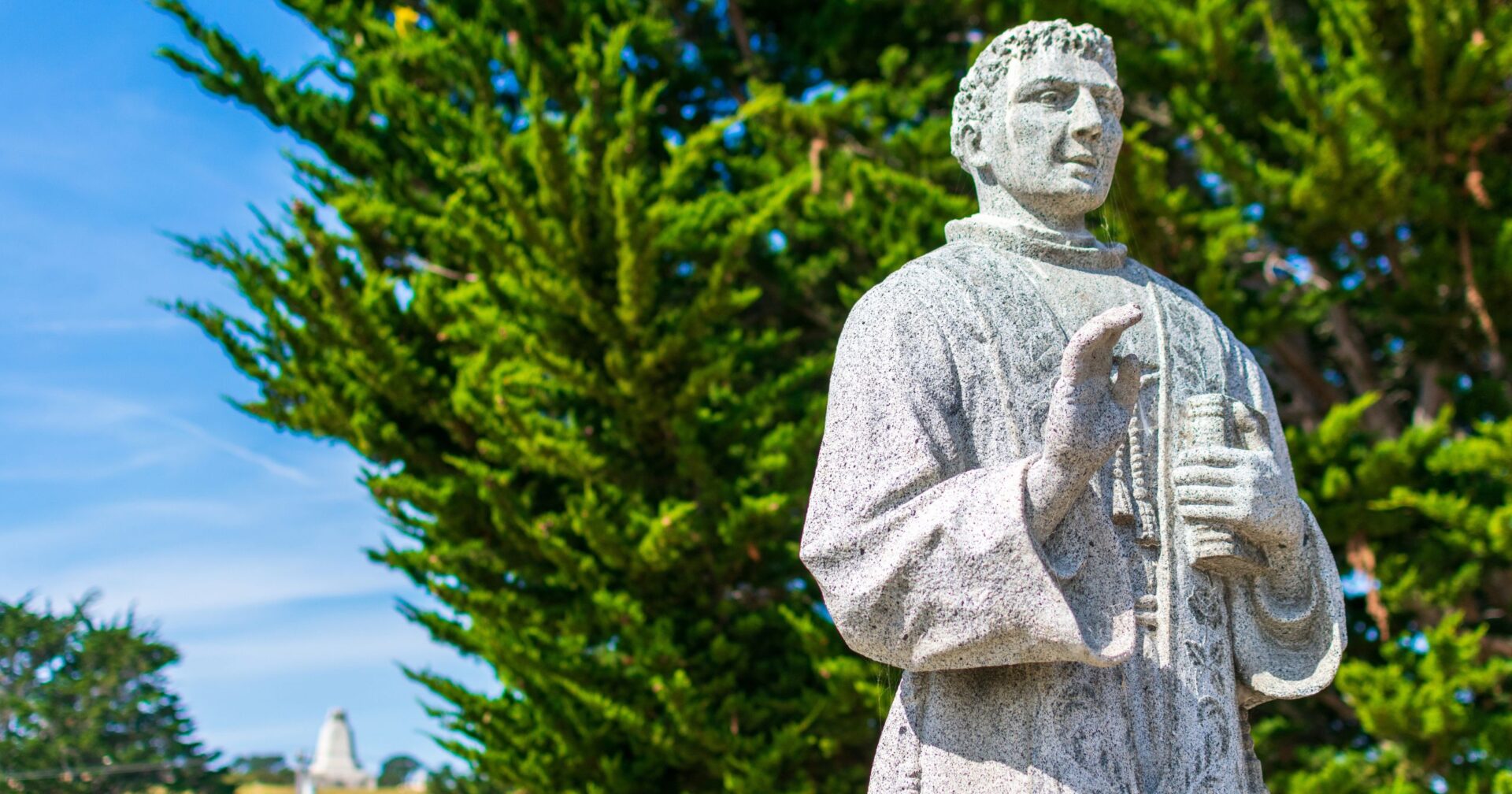
Saint Anthony’s spiritual journey started early, guided by his mother, who was widowed at 18. Despite the challenges, she dedicated herself to his spiritual upbringing. Anthony went on to earn a medical doctorate at the young age of 22. While serving the underprivileged in his hometown, Cremona, Italy, he felt drawn towards a life of religious service.

Choosing to renounce his claim to any inheritance, Anthony became a catechist and, by 26, was ordained a priest. A few years later, he was called to Milan, where he established the foundations of three religious congregations: one for men, one for women, and an association for married couples. These groups sought to invigorate a society that they perceived as decadent, beginning with its clergy, religious institutions, and laypeople.

Greatly inspired by Saint Paul, Anthony even named his congregation the Barnabites, after Saint Paul’s companion. He was a passionate preacher, both in church and in public spaces, and was a driving force behind popular missions. Never one to shy away from public penance, Anthony held firm in his convictions.

Innovations he promoted included encouraging laypeople to collaborate in apostolic works, endorsing frequent Communion, advocating the Forty Hours devotion, and supporting the practice of ringing church bells at 3:00 p.m. on Fridays.

Anthony’s devoutness prompted many to rethink and reform their lives. However, just like all influential figures, his actions also spurred opposition. His community was investigated twice for religious misconduct, but on both occasions, it was absolved.

While on a peace mission, Anthony fell seriously ill and returned to his mother’s home. His life was cut short at the age of 36 in Cremona, leaving behind a profound legacy of counter-reformation.

Photo credit: Barnabitefather via Wikimedia Commons 

Love uCATHOLIC?
Get our inspiring content delivered to your inbox every morning – FREE!

The post Saint Anthony Zaccaria appeared first on uCatholic.

Daily Reading


Daily Meditation


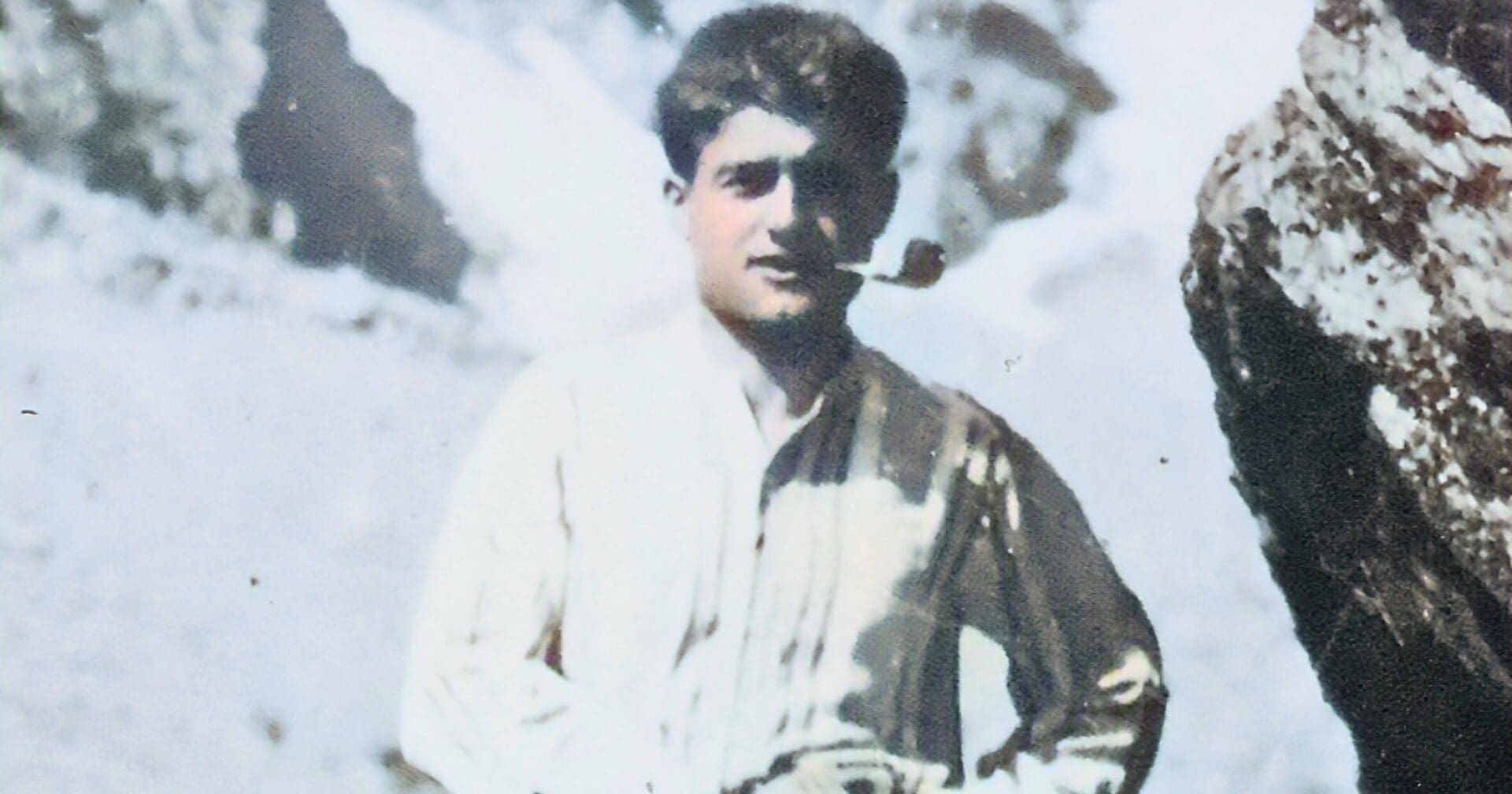
Pier Giorgio Frassati, born in Turin, Italy in 1901, is hailed as a saint for the contemporary world, particularly for today’s youth. Despite a tragically brief lifespan of 24 years, his fervent dedication to holy living left an enduring impact. He became an embodiment of virtue, aptly referred to as a “man of the beatitudes” by Pope John Paul II during his beatification in Rome on May 20, 1990. Friends fondly remembered him as an “explosion of joy,” while his sister, Luciana, characterized him as the epitome of Christian youth—pure, exuberant, and devoted to all that embodies beauty and goodness.

Frassati’s life offers a stark, inspiring contrast to a modern world often plagued by cynicism and unease. His existence, brimming with purpose, meaning, and peace, sprang from his unwavering faith in God. From an early age, Frassati prioritized Christ, a choice which provoked misunderstanding and disapproval from his nonreligious parents. Yet, he bore this familial friction patiently, silently, and lovingly, even until his abrupt demise from polio.

His devotion was evident in his daily routine. Frassati was a man of prayer, often found by his agnostic father, asleep on his knees by his bedside, after a heartfelt recitation of the rosary. As Luciana Frassati notes, “He gave his whole self, both in prayer and in action, in service to Christ.” His education at a Jesuit school further cemented his commitment, leading to the rare privilege of daily communion. Nights often passed in Eucharistic adoration. For Frassati, every action started and ended with Christ.

In 1922, at the age of 21, this balance of contemplation and action drew Frassati to the Fraternities of St. Dominic. As a tertiary, he adopted the name “Girolamo” (Jerome), after his idol, Girolamo Savonarola, a renowned Dominican preacher and reformer of the Renaissance period in Florence.

Frassati was a charismatic figure, attracting many with his vibrant personality and good looks. He was also an enthusiast of various sports, enjoying hiking, horse riding, skiing, and mountain climbing. Known for his love for humor, he was never shy of a practical joke.

Frassati’s faith was not confined to theory, but was an integral part of his daily life. He embraced spirited political activism during the Fascist period in World War I Italy, juggled his challenging academic responsibilities despite being a poor student, and silently served the destitute in Turin. His affluent background never affected his modest demeanor, and he was always willing to help those in need, often suspected of contracting polio from those he aided in the slums.

As he lay on his deathbed, his final week marked by rapid physical deterioration, Frassati continued to display remarkable virtue. His concern remained with others’ welfare, his focus outward, never highlighting his own suffering. Even as he lay dying, his last note, written with a paralyzed hand, was a reminder to a friend about the injections needed for a needy man he had been helping.

Frassati’s death on July 4, 1925, brought thousands of people to the Frassati mansion. The throngs of poor and lonely individuals who had been touched by his compassionate actions and inspiring life stood testament to his selfless service. The Frassati family, unaware of their son’s benevolence, were taken aback by the overwhelming public display of affection.

In 1981, Frassati’s body, found incorrupt, was moved from the family tomb in the cemetery of Pollone to the Cathedral of Turin.

Photo credit: Public Domain via Wikimedia Commons

Love uCATHOLIC?
Get our inspiring content delivered to your inbox every morning – FREE!

The post Blessed Pier Giorgio Frassati appeared first on uCatholic.

Daily Reading


Daily Meditation


Saint Thomas, one of the revered Twelve Apostles, was known for his fervent yet impulsive dedication to Jesus Christ. When Jesus announced his intent to return to Judea to visit his ailing friend Lazarus, Thomas boldly encouraged his fellow Apostles to accompany Jesus, fully aware that the journey carried an imminent threat of danger, and even death, due to the escalating hostility from the authorities.

At the Last Supper, Jesus revealed to His Apostles his plan to prepare a place for them, assuring they knew the way. In his confusion, Thomas earnestly implored for clarity. This led to the sublime proclamation from Jesus that He himself was the Way, the Truth, and the Life.

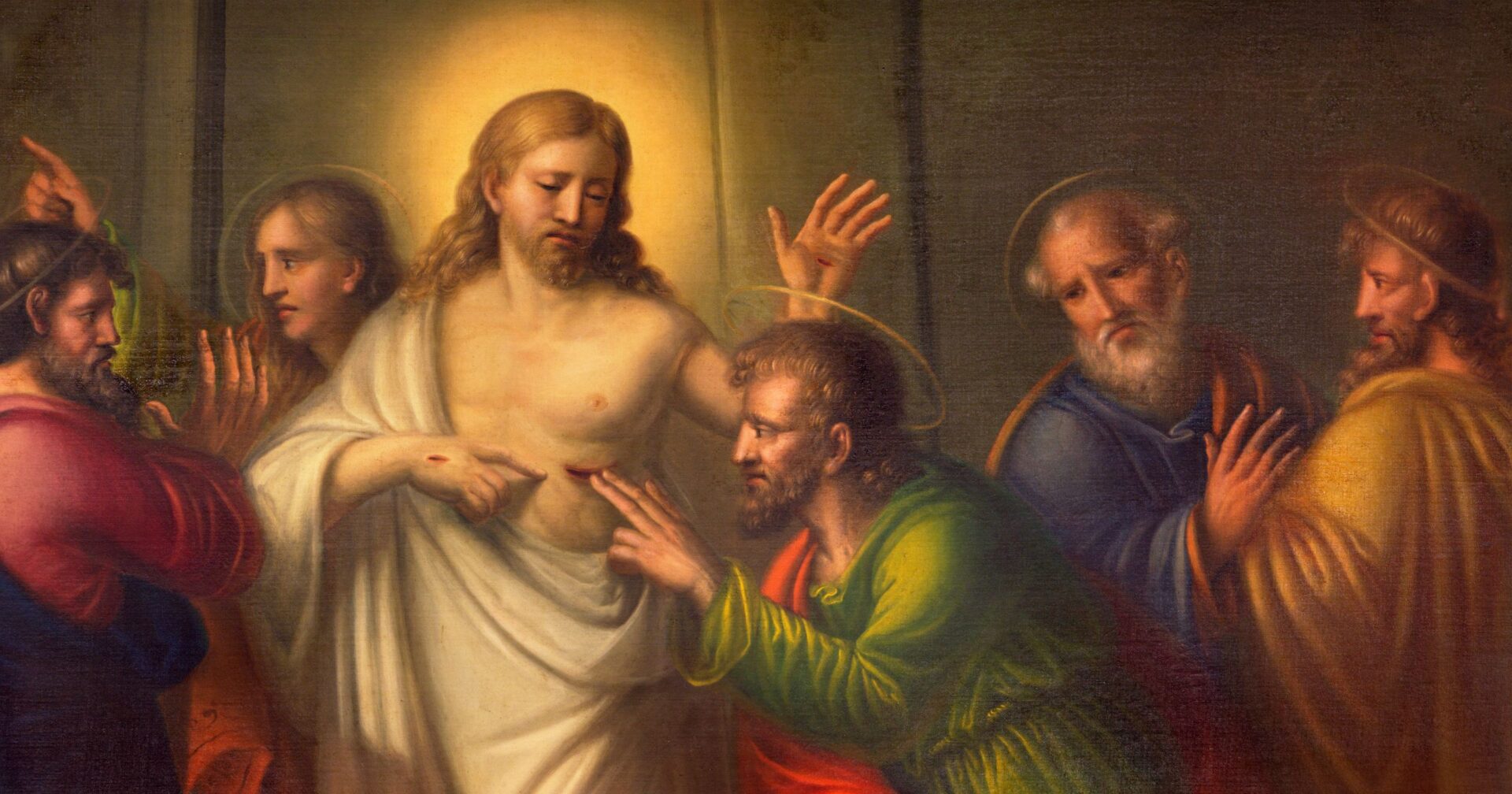
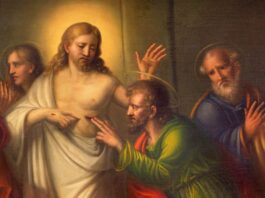
However, Saint Thomas is perhaps most famously recognized for his role in confirming the Resurrection of Jesus. When told of Jesus’ reappearance on the first Easter Sunday, Thomas found himself enveloped by doubt, hence acquiring the moniker of “doubting Thomas.” Yet, eight days later, during Jesus’ second apparition, Thomas’ skepticism was gently admonished. He was provided with the evidence he sought, as he was allowed to see and touch the nail marks in Jesus’ hands and place his hand into His side. Overwhelmed with conviction, Saint Thomas openly professed his faith in the Divinity of Jesus, exclaiming, “My Lord and My God.”

In the New Testament, Saint Thomas is also mentioned as witnessing another miraculous event post-Resurrection— a significant haul of fish at Lake Tiberias.

Beyond these biblical accounts, tradition narrates that following the dispersion of the Apostles after Pentecost, Saint Thomas embarked on a mission to evangelize the Parthians, Medes, Persians, and ultimately arrived in India. He propagated the Christian faith along the Malabar coast, which to this day, boasts a sizable community identifying themselves as the “Christians of Saint Thomas.” His life culminated in martyrdom, as he was speared to death in a place named Calamine. Today, his feast day is celebrated on July 3rd, and he is recognized as the patron saint of architects.

Editorial credit: Renata Sedmakova / Shutterstock.com

Love uCATHOLIC?
Get our inspiring content delivered to your inbox every morning – FREE!

The post Saint Thomas the Apostle appeared first on uCatholic.

Daily Reading


Daily Meditation


Oliver Plunkett, later recognized as Saint Oliver Plunkett, was born on 1st November 1625 into a prominent Anglo-Norman family in Loughcrew, near Oldcastle in County Meath. In 1647, he journeyed to Rome to study for the priesthood at the Irish College, and was ordained as a priest in 1654.

Plunkett’s formative years as a priest coincided with a tumultuous period in Irish history, sparked by the arrival of Oliver Cromwell in Ireland in 1649. This event ushered in a devastating era of massacre and persecution of Catholics. Even though Cromwell left Ireland the following year, his damaging legacy persisted through oppressive anti-Catholic laws.

Throughout the 1650s, Catholics faced expulsion from Dublin, while Catholic landowners were dispossessed of their lands. Catholic priests, in particular, bore the brunt of this oppression; they were outlawed and faced execution or exile to the West Indies for continuing to practice their faith. Seeking to evade this persecution, Plunkett successfully petitioned to stay in Rome where he became a professor of theology in 1657.

As anti-Catholic sentiments began to subside, Plunkett made his return to Ireland. He ascended to the position of Archbishop of Armagh in 1657. Under his leadership, he initiated significant reforms within the church, establishing schools for the education of both the young and the clergy, whom he found lacking in moral theology and controversies. His drive for reform extended to curbing drunkenness among the clergy, famously stating, “Let us remove this defect from an Irish priest, and he will be a saint.”

In 1670, Plunkett convened an episcopal conference in Dublin and held numerous synods within his archdiocese. Nevertheless, his tenure was not without controversy. He was embroiled in a long-standing dispute with Archbishop Peter Talbot of Dublin over their respective claims to be the primate of Ireland. His relationships with religious orders were also strained, especially with the Franciscans whom he upset by siding with the Dominicans in a property dispute.

The peaceful respite from anti-Catholic persecution was short-lived. By 1673, a new wave of persecution swept the land, prompting Plunkett to retreat into hiding. He rejected a government directive to register at a seaport for exile. When the so-called “Popish Plot” – a conspiracy theory by Titus Oates in England – ignited further anti-Catholic sentiments in 1678, Plunkett went into hiding once more.

Accusations against Plunkett escalated. The privy council in London was misinformed that he was plotting a French invasion. Consequently, in December 1679, Plunkett was arrested and incarcerated in Dublin Castle, where he gave absolution to the dying Talbot. He was transported to London, where he was wrongfully convicted of high treason in June 1681, based on perjured testimonies from two disgruntled Franciscans.

On July 1, 1681, Plunkett faced execution at Tyburn, becoming the last Catholic martyr in England. His sacrifice was not forgotten. He was beatified in 1920 and canonised in 1975, marking the first Irish saint in almost seven centuries.

Photo credit: Public Domain via Wikimedia Commons

Love uCATHOLIC?
Get our inspiring content delivered to your inbox every morning – FREE!

The post Saint Oliver Plunkett appeared first on uCatholic.

Daily Reading


Daily Meditation


In 1776, as the American revolution was unfurling in the east, another transformative event was taking place in the west that would ultimately shape the future of the United States. In California, an unyielding Franciscan donned in gray robes laid the foundation of Mission San Juan Capistrano, which today is renowned for its annually returning swallows. This mission was the seventh of nine established under the auspices of this resolute Spaniard.

Born on Spain’s Mallorca island, Junipero Serra, as he became known, joined the Franciscan Order and adopted the name of Saint Francis’ innocent companion, Brother Juniper. Until the age of thirty-five, he dedicated most of his time to theological studies, first as a student and later as a professor, gaining notoriety for his compelling preaching. However, he felt a deep-seated longing to follow in the footsteps of Saint Francis Solanus, whose missionary work in South America he had heard about years earlier. Junipero aspired to convert the indigenous people of the New World to Christianity.

His journey began with a voyage by ship to Vera Cruz, Mexico. From there, he and a companion made the arduous 250-mile journey to Mexico City on foot. During the trip, Junipero suffered an insect bite on his left leg which became infected, causing him lifelong health complications that often posed a life-threatening risk. Undeterred, he devoted the next eighteen years to missionary work in central Mexico and the Baja Peninsula, eventually presiding over the missions there.

When King Charles III of Spain commanded an expedition to secure territory ahead of Russia, Junipero found himself tasked with a new mission. Jose de Galvez, acting as the last of the spiritual and military conquistadors, urged Junipero to join him on a journey to present-day Monterey, California. Upon their 900-mile northward journey, the first mission they established was San Diego in 1769. That same year, a food shortage nearly led to the expedition’s cancellation. Junipero, resolved to stand by the local people, started a novena alongside another friar in preparation for Saint Joseph’s Day, their planned departure date on March 19. Miraculously, a relief ship arrived on the very day they had prepared to leave.

Additional missions sprang up in the following years: Monterey/Carmel (1770); San Antonio and San Gabriel (1771); San Luis Obispo (1772); San Francisco and San Juan Capistrano (1776); Santa Clara (1777); San Buenaventura (1782). Even after Serra’s death, twelve more missions were founded.

On one occasion, Junipero made the arduous journey to Mexico City to resolve significant differences with the military commander. Despite arriving gravely ill, his negotiation yielded the famous “Regulation,” which served to protect the Indians and the missions. This legislation laid the groundwork for the first significant laws in California, essentially serving as a “Bill of Rights” for Native Americans.

In the eyes of the Spanish, the Native Americans were leading an inhumane life, which led to the friars becoming their legal guardians. The indigenous people, once baptized, were kept within the mission to prevent them from falling back into their old ways. This decision has been criticized by some today as unjust.

Junipero’s missionary life was filled with struggle — against harsh weather, hunger, unsympathetic military commanders, and even threats from non-Christian native groups. Nonetheless, his unwavering zeal was continually fueled by nightly prayer sessions that often lasted from midnight until dawn. He baptized over six thousand people and confirmed five thousand. His missionary travels could have encircled the globe. He brought more than faith to the Native Americans — he offered them a more humane standard of living. His genuine compassion earned their love, as evidenced by their mourning upon his death. Junipero was laid to rest at Mission San Carlo Borromeo, Carmel, and was beatified in 1988.

Editorial credit: Michael Vi / Shutterstock.com

Love uCATHOLIC?
Get our inspiring content delivered to your inbox every morning – FREE!

The post Saint Junipero Serra appeared first on uCatholic.

Daily Reading


Daily Meditation


Christian communities were established in Rome around a dozen years following Jesus’s death, and notably, they were not converts of the “Apostle of the Gentiles” (Romans 15:20). At the time when Paul penned his pivotal letter in 57-58 A.D., he had not yet visited these communities.

Rome boasted a substantial Jewish population at the time. It’s likely that due to escalating disputes between Jews and Jewish Christians, Emperor Claudius decreed the expulsion of all Jews from Rome in 49-50 A.D. Historian Suetonius attributes this mass expulsion to unrest in the city instigated by a figure named “Chrestus,” a probable reference to Christ. It’s plausible that many returned to Rome following Claudius’s death in 54 A.D. Consequently, the Church to which Paul addressed his letter consisted of members with both Jewish and Gentile origins.

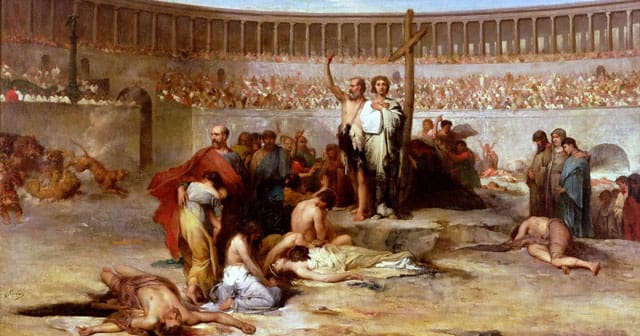
In July of 64 A.D., a devastating fire ravaged more than half of Rome. Rumors circulated that the Emperor Nero, who had plans to expand his palace, was responsible for the catastrophe. In an attempt to deflect blame, Nero accused the Christians. As historian Tacitus documented, numerous Christians faced execution due to perceived “hatred of the human race.” Among these victims were likely the apostles Peter and Paul.

Eventually, faced with the prospect of a military rebellion and having been sentenced to death by the senate, Nero committed suicide in 68 A.D., ending his life at the age of 31.

Photo credit: Public Domain via Wikimedia Commons

Love uCATHOLIC?
Get our inspiring content delivered to your inbox every morning – FREE!

The post The First Martyrs of the Church of Rome appeared first on uCatholic.

Daily Reading


Daily Meditation


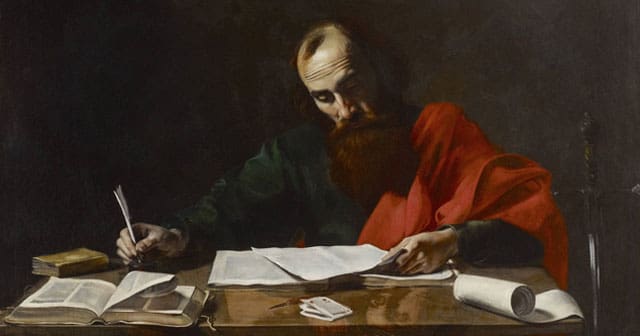
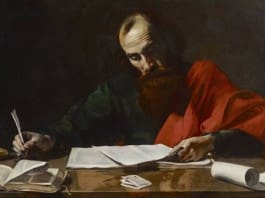
Saint Paul, the indefatigable Apostle of the Gentiles, was converted from Judaism on the road to Damascus. He remained some days in Damascus after his Baptism, and then went to Arabia, possibly for a year or two to prepare himself for his future missionary activity. Having returned to Damascus, he stayed there for a time, preaching in the synagogues that Jesus is the Christ, the Son of God. For this he incurred the hatred of the Jews and had to flee from the city. He then went to Jerusalem to see Peter and pay his homage to the head of the Church.

Later he went back to his native Tarsus, where he began to evangelize his own province until called by Barnabus to Antioch. After one year, on the occasion of a famine, both Barnabus and Paul were sent with alms to the poor Christian community at Jerusalem. Having fulfilled their mission they returned to Antioch.

Soon after this, Paul and Barnabus made the first missionary journey, visiting the island of Cypress, then Pamphylia, Pisidia, and Lycaonia, all in Asia Minor, and establishing churches at Pisidian Antioch, Iconium, Lystra, and Derbe.

After the Apostolic Council of Jerusalem Paul, accompanied by Silas and later also by Timothy and Luke, made his second missionary journey, first revisiting the churches previously established by him in Asia Minor, and then passing through Galatia. At Troas a vision of a Macedonian was had by Paul, which impressed him as a call from God to evangelize in Macedonia. He accordingly sailed for Europe, and preached the Gospel in Philippi. Thessalonica, Beroea, Athens, and Corinth. Then he returned to Antioch by way of Ephesus and Jerusalem.

On his third missionary journey, Paul visited nearly the same regions as on the second trip, but made Ephesus where he remained nearly three years, the center of his missionary activity. He laid plans also for another missionary journey, intending to leave Jerusalem for Rome and Spain. Persecutions by the Jews hindered him from accomplishing his purpose. After two years of imprisonment at Caesarea he finally reached Rome, where he was kept another two years in chains.

The Acts of the Apostles gives us no further information on the life of the Apostle. We gather, however, from the Pastoral Epistles and from tradition that at the end of the two years St. Paul was released from his Roman imprisonment, and then traveled to Spain, later to the East again, and then back to Rome, where he was imprisoned a second time and in the year 67, was beheaded.

St. Paul untiring interest in and paternal affection for the churches established by him have given us fourteen canonical Epistles. It is, however, quite certain that he wrote other letters which are no longer extant. In his Epistles, St. Paul shows himself to be a profound religious thinker and he has had an enduring formative influence in the development of Christianity. The centuries only make more apparent his greatness of mind and spirit. His feast day is June 29th.

Photo credit: Public Domain via Wikimedia Commons

Love uCATHOLIC?
Get our inspiring content delivered to your inbox every morning – FREE!

The post Saint Paul appeared first on uCatholic.

Daily Reading


Daily Meditation


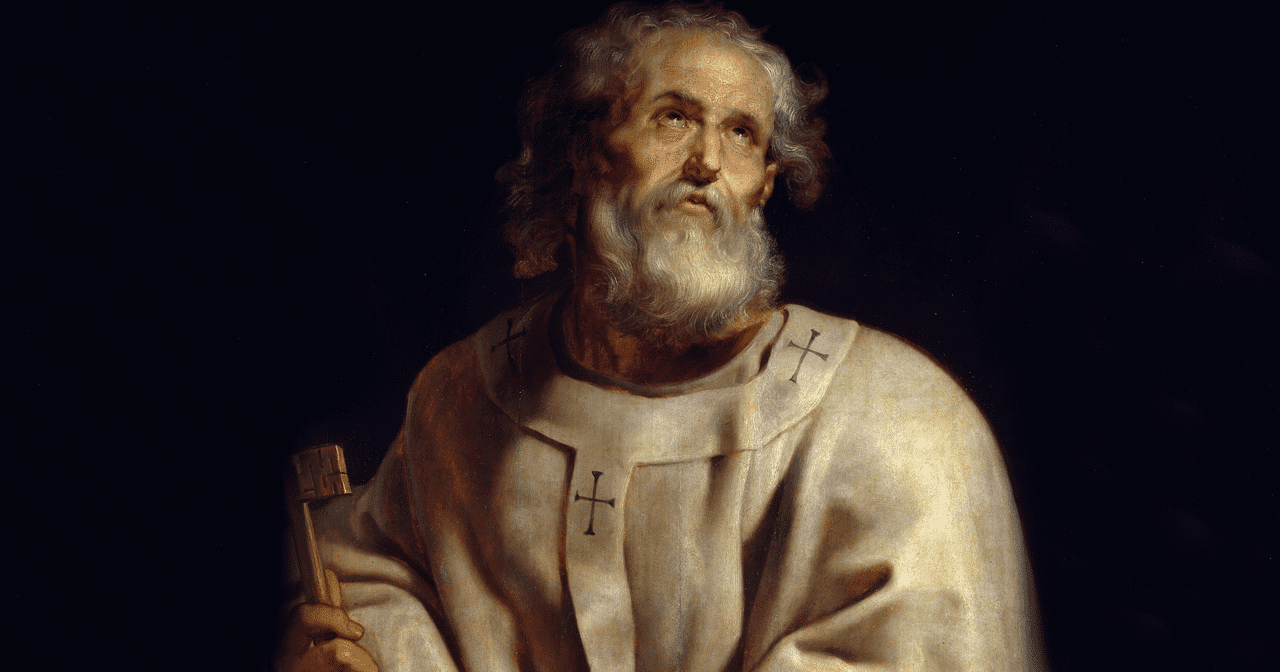
Simon Peter or Cephas, the first pope, Prince of the Apostles, and founder, with Saint Paul, of the see of Rome.

Peter was a native of Bethsaida, near Lake Tiberias, the son of John, and worked, like his brother St. Andrew, as a fisherman on Lake Genesareth. Andrew introduced Peter to Jesus, and Christ called Peter to become a disciple. In Luke is recounted the story that Peter caught so large an amount of fish that he fell down before the feet of Jesus and was told by the Lord, “Do not be afraid; from now on you will be catching men”.

Jesus also gave Simon a new name: Cephas, or the rock. Becoming a disciple of Jesus, Peter acknowledged him as “… the Messiah, the son of the living God”. Christ responded by saying: “… you are Peter and upon this rock I will build my church…. He added: “I will give you the keys of the kingdom of heaven. Whatever you bind on earth shall be bound in heaven; and whatever you loose on earth shall be loosed in heaven”.

Peter was always listed as the first of the Apostles in all of the New Testament accounts and was a member of the inner circle of Jesus, with James and John. He is recorded more than any other disciple, and was at Jesus’ side at the Transfiguration, the raising of Jairus’ daughter, and the Agony of the Garden of Gethsemane. He helped organize the Last Supper and played a major role in the events of the Passion. When the Master was arrested, he cut off the right ear of a slave of the high priest Malchus and then denied Christ three times as the Lord predicted. Peter then “went out and began to weep bitterly”.

After the Resurrection, Peter went to the tomb with the “other disciple” after being told of the event by the women. The first appearance of the Risen Christ was before Peter, ahead of the other disciples, and when the Lord came before the disciples at Tiberias, he gave to Peter the famous command to “Feed my lambs…. Tend my sheep…. Feed my sheep”.

In the time immediately after the Ascension, Peter stood as the unquestionable head of the Apostles, his position made evident in the Acts. He appointed the replacement of Judas Iscariot; he spoke first to the crowds that had assembled after the descent of the Holy Spirit at Pentecost; he was the first Apostle to perform miracles in the name of the Lord; and he rendered judgment upon the deceitful Ananias and Sapphira.

Peter was instrumental in bringing the Gospel to the Gentiles. He baptized the Roman pagan Cornelius, and at the Council of Jerusalem he gave his support to preaching to Gentiles, thereby permitting the new Church to become universal. Imprisoned by King Herod Agrippa, he was aided in an escape by an angel. He then resumed his apostolate in Jerusalem and his missionary efforts included travels to such cities of the pagan world as Antioch, Corinth, and eventually Rome. He made reference to the Eternal City in his first Epistle by noting that he writes from Babylon .

It is certain that Peter died in Rome and that his martyrdom came during the reign of Emperor Nero, probably in 64. Testimony of his martyrdom is extensive, including Origen, Eusebius of Caesarea, St. Clement I of Rome, St. Ignatius, and St. Irenaeus. According to rich tradition, Peter was crucified on the Vatican Hill upside down because he declared himself unworthy to die in the same manner as the Lord. He was then buried on Vatican Hill, and excavations under St. Peter’s Basilica have unearthed his probable tomb, and his relics are now enshrined under the high altar of St. Peter’s.

From the earliest days of the Church, Peter was recognized as the Prince of the Apostles and the first Supreme Pontiff; his see, Rome, has thus enjoyed the position of primacy over the entire Catholic Church. While Peter’s chief feast day is June 29, he is also honored on February 22 and November 18. In liturgical art, he is depicted as an elderly man holding a key and a book. His symbols include an inverted cross, a boat, and the rooster.

Photo credit: Public Domain via Wikimedia Commons

Love uCATHOLIC?
Get our inspiring content delivered to your inbox every morning – FREE!

The post Saint Peter appeared first on uCatholic.

Daily Reading


Daily Meditation