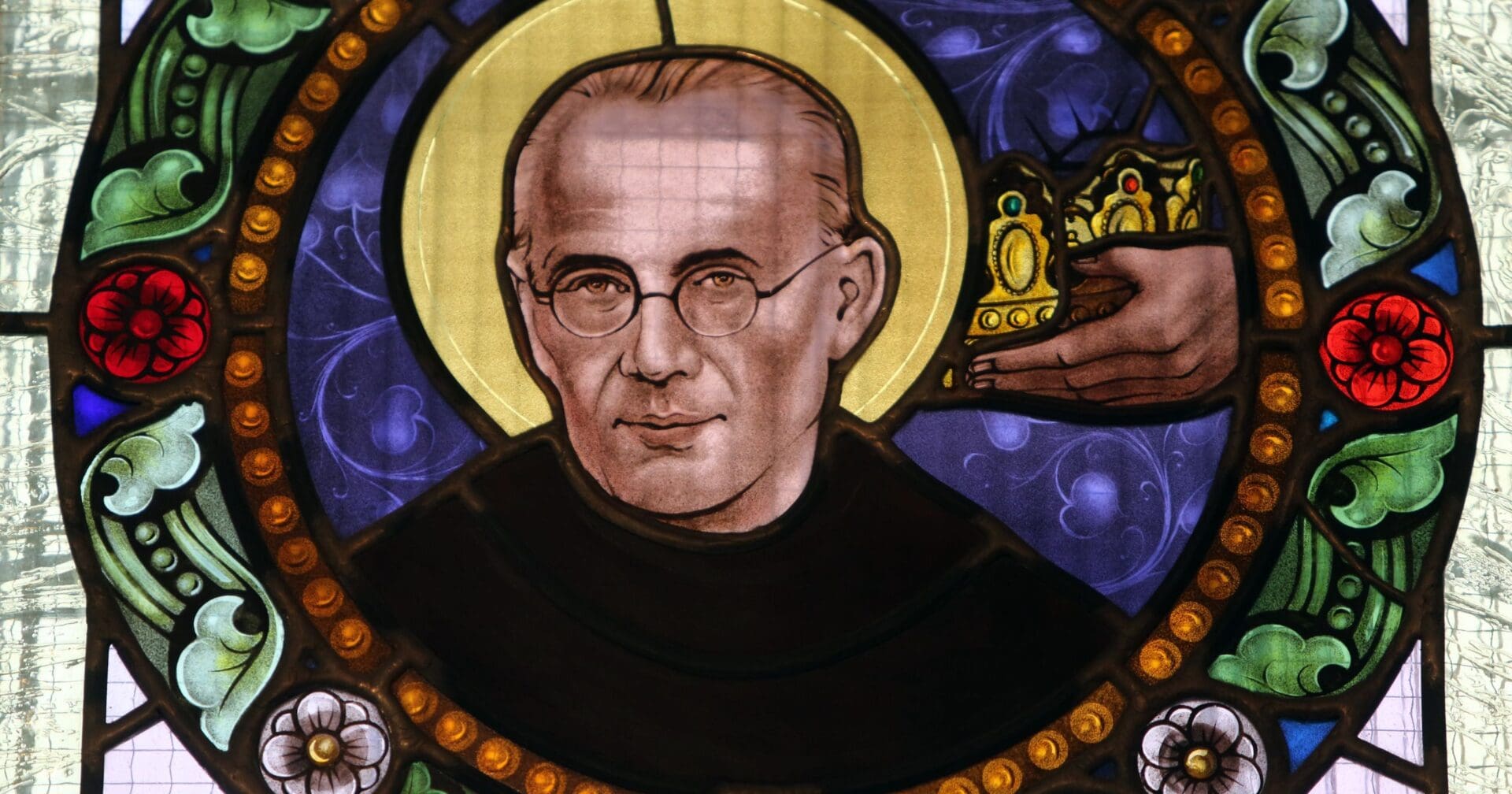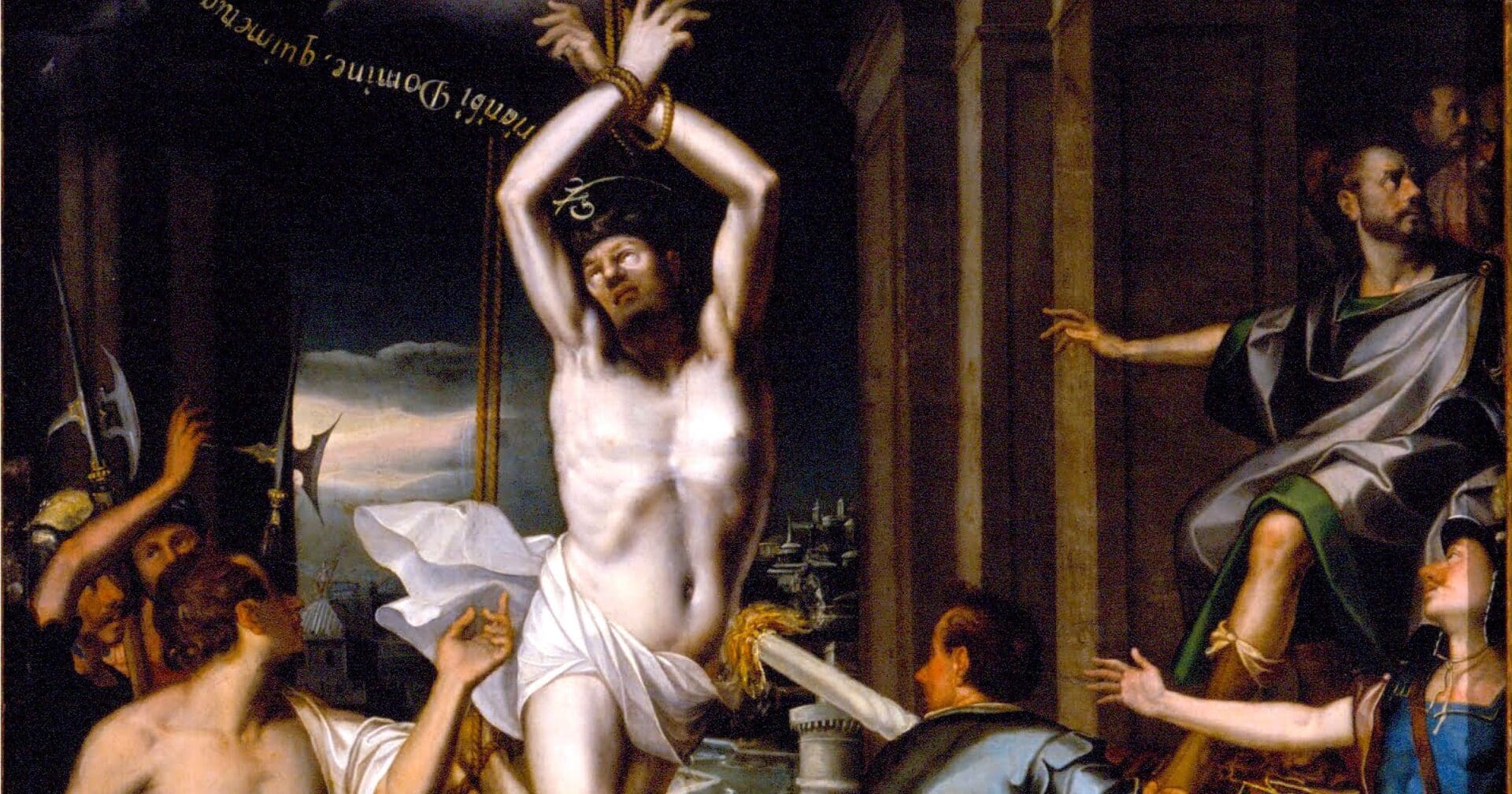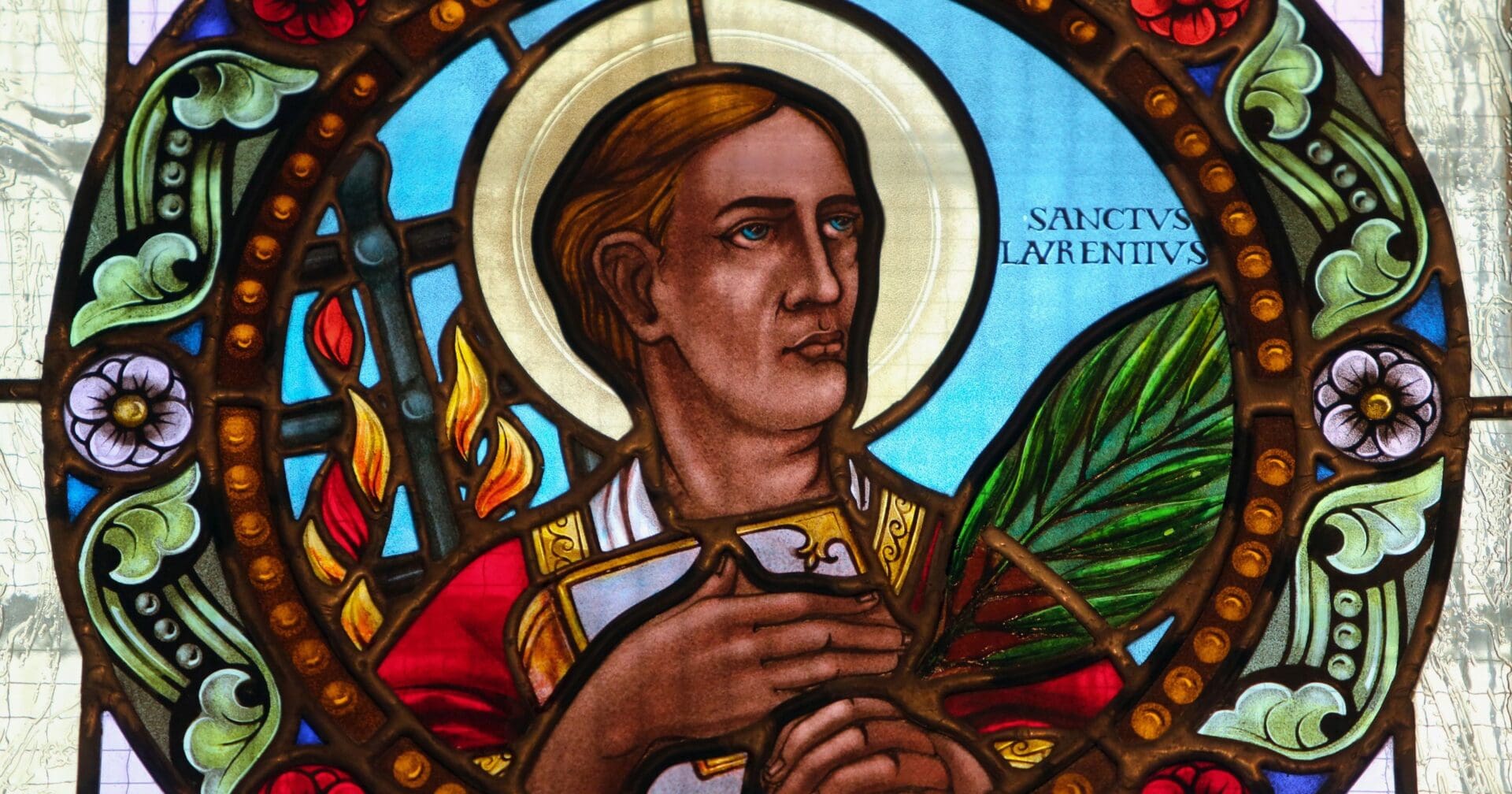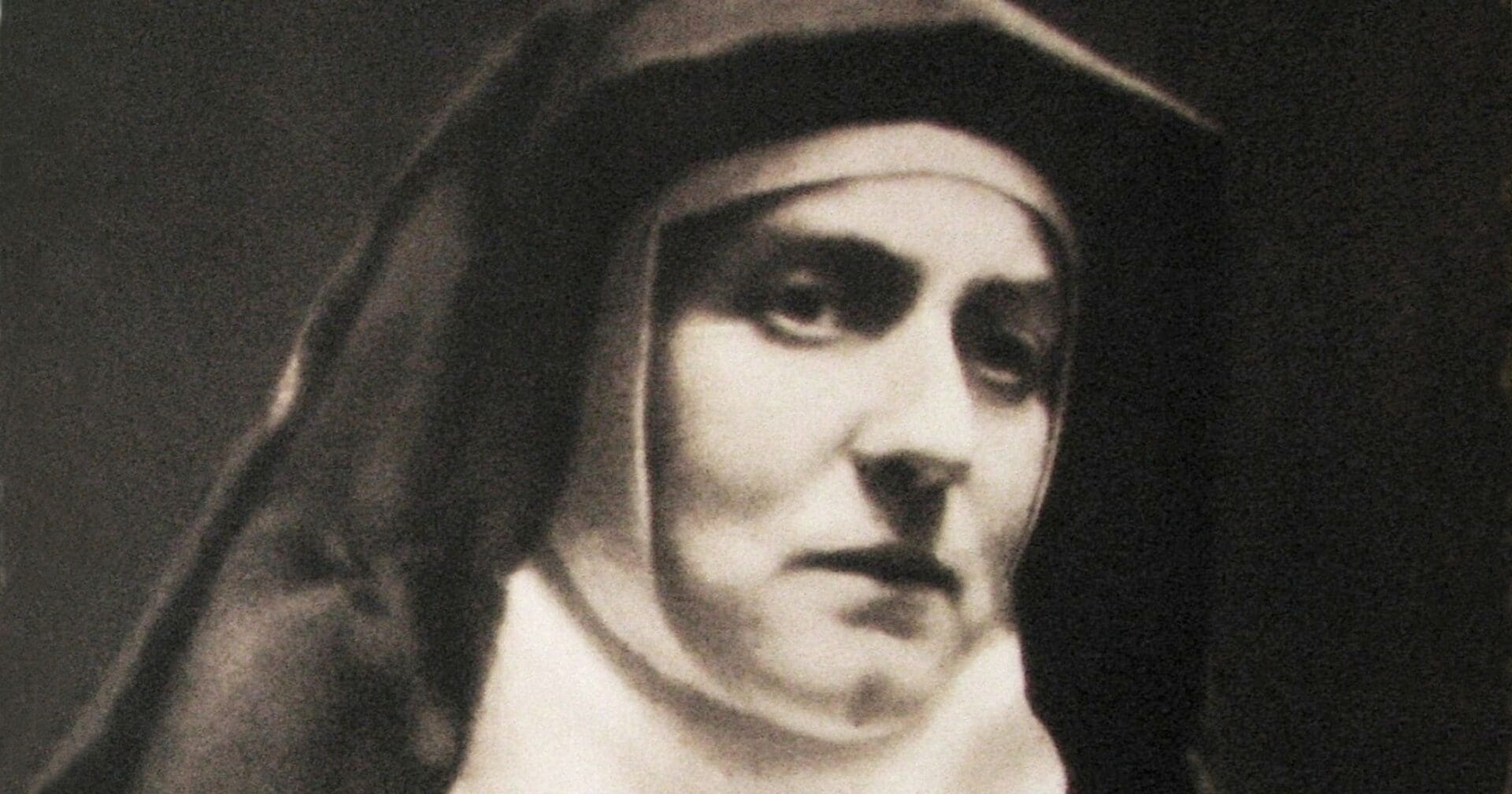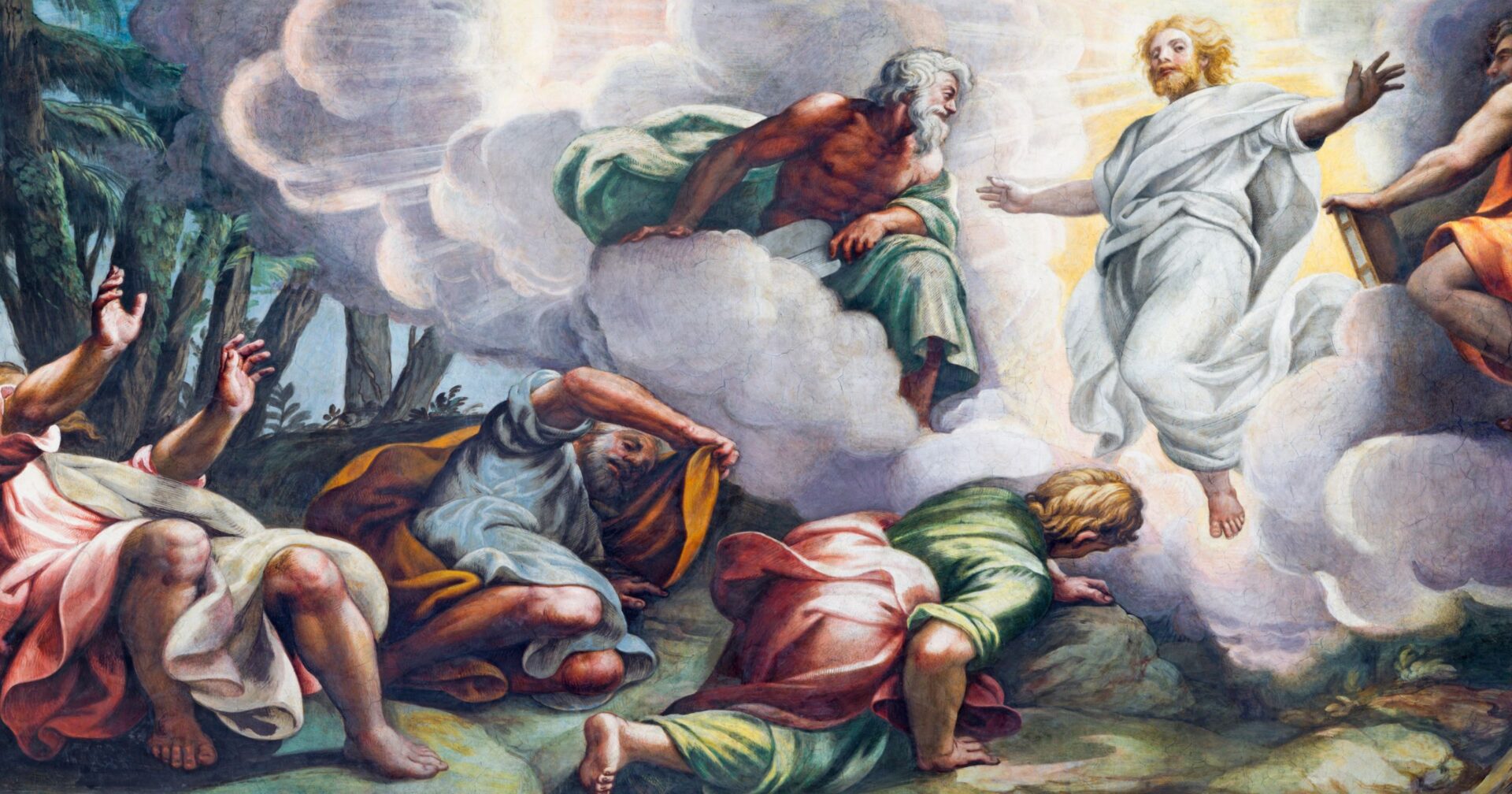

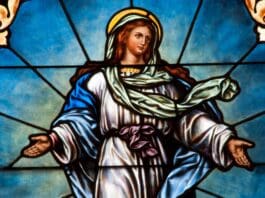
In the heart of the 13th century, Florence, Italy, emerged a remarkable story of devotion and spiritual calling that led to the foundation of the Servite Order. Seven Florentine men, united by their profound reverence for Mary, the Mother of God, and their active participation in a confraternity dedicated to her, were to become the pillars of a new spiritual movement.

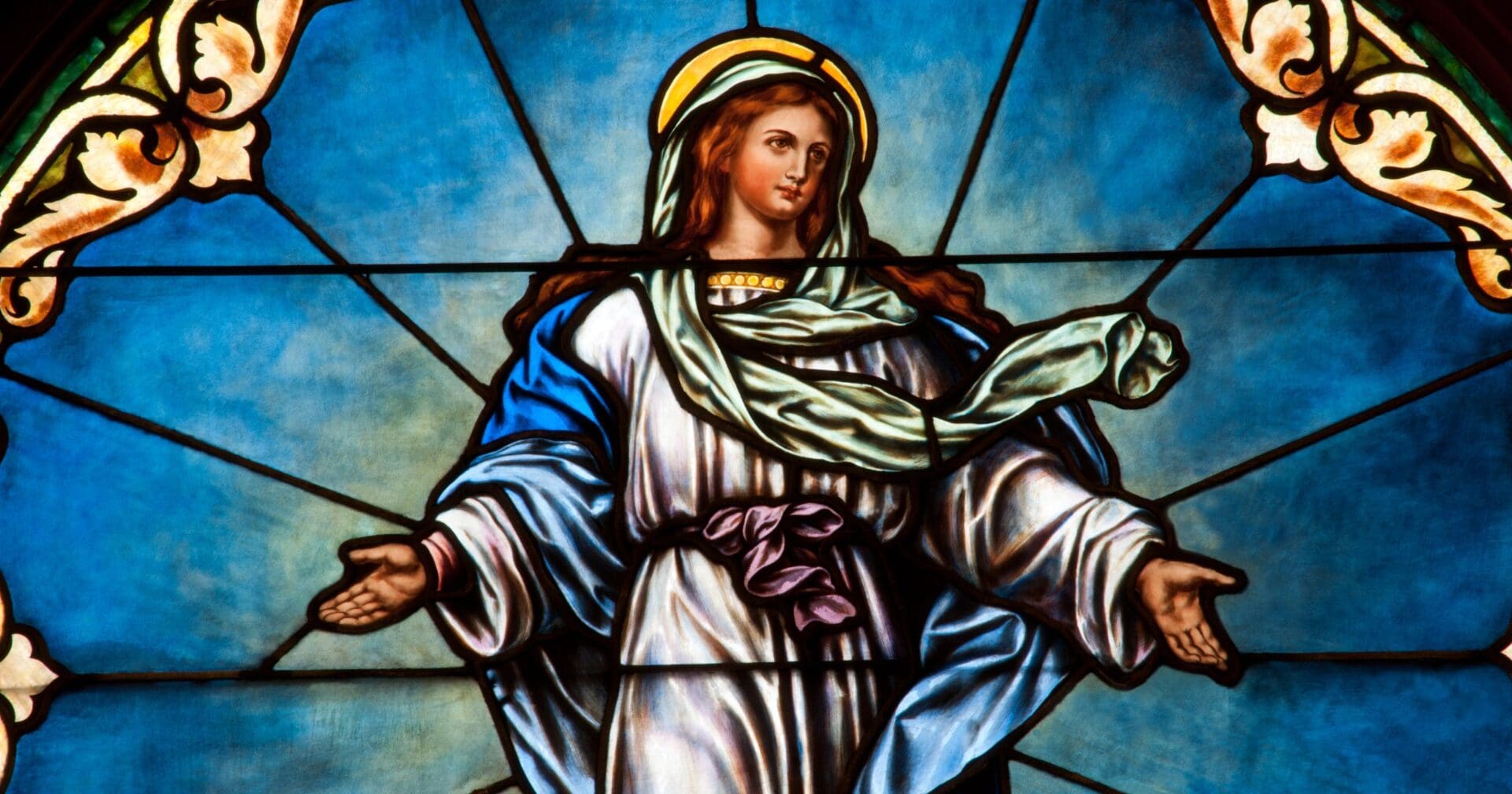
The origins of the Servite Order are steeped in divine inspiration. On the feast of the Assumption, in a moment of deep contemplation, these seven men experienced a vision of the Blessed Mother. Mary appeared to them, urging them to forsake worldly life and dedicate themselves to solitary communion with God. Heeding this celestial summons, they initially embraced a hermitic lifestyle.

After years of seclusion, their spiritual journey took a decisive turn. Seeking a formal rule to guide their communal life, they approached their bishop. Following his counsel to seek Mary’s direction, they were graced with another vision. This time, Mary presented them with a black habit, accompanied by an angel who carried a scroll inscribed with “Servants of Mary.” Mary expressed her desire for them to adopt this habit and serve under her name, marking the beginning of their life under the rule of St. Augustine in 1240.

The brotherhood of Bonfilius, Amadeus, Hugh, Sostenes, Manettus, Buonagiunta, and Alexis—six of whom were ordained priests while Alexis, in a display of humility, chose not to seek ordination—embodied a communal dedication to spiritual growth and service to God. Their fellowship attracted many followers, giving rise to the Servants of Mary, or Servites, a religious order that received papal approval in 1259.

The legacy of these seven holy founders, canonized by Pope Leo XIII in 1888, continues to inspire through their story of faith, vision, and dedication to a life of service under the guidance of Mary, the Mother of God.

Photo credit: Lawrence OP via Flickr

Love uCATHOLIC?
Get our inspiring content delivered to your inbox every morning – FREE!

The post Seven Founders of the Order of Servites appeared first on uCatholic.

Daily Reading

 

Daily Meditation


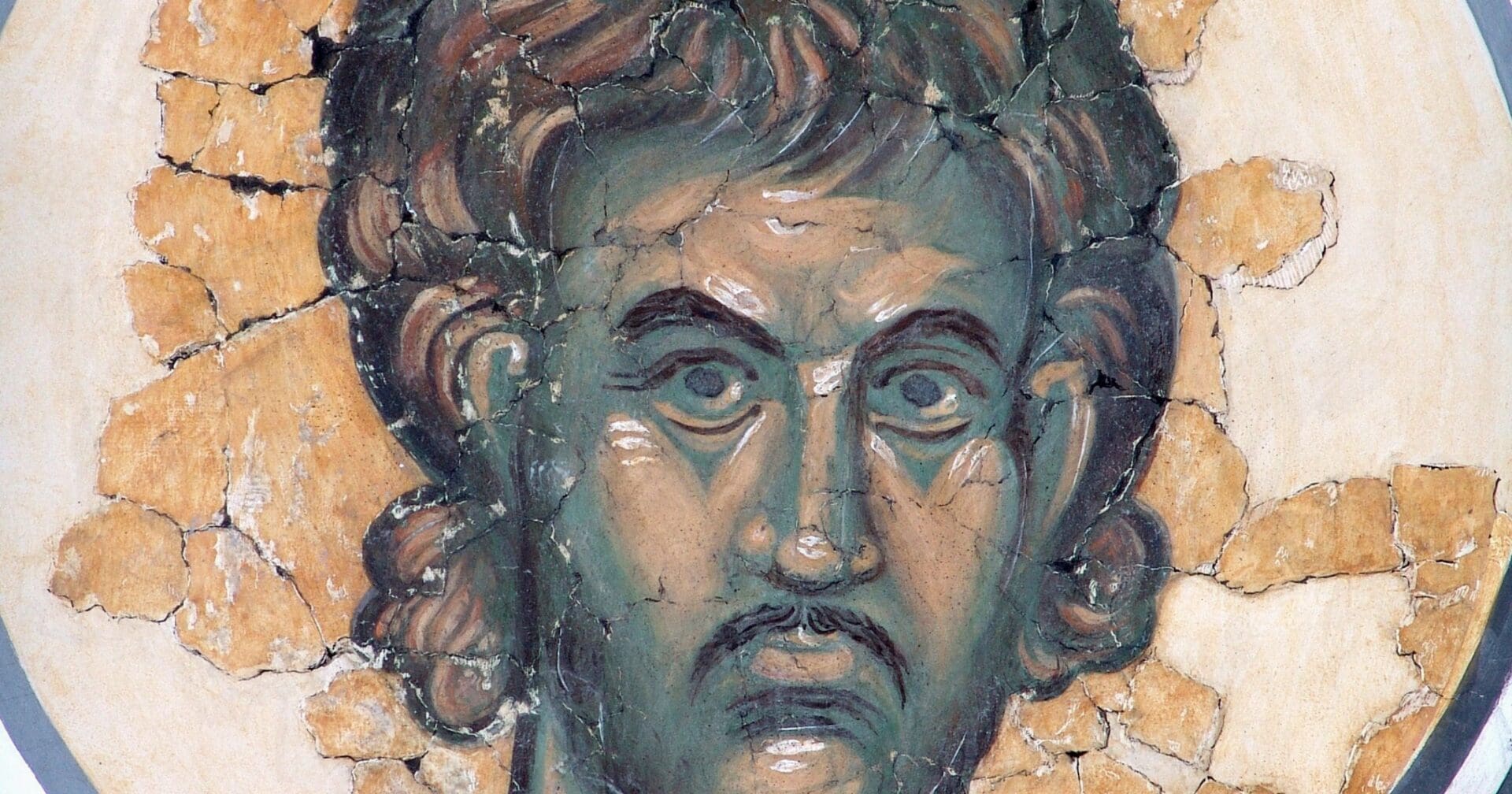
Saint Onesimus, a first-century figure, has a remarkable story woven into the fabric of early Christianity. Originally a slave, Onesimus made the fateful decision to steal from his master and flee to Rome. There, amidst the grandeur and tumult of the ancient city, he sought out Saint Paul, the apostle renowned for his unwavering faith and imprisonment for the cause of Christ. Paul welcomed Onesimus not merely as a fugitive slave but with the open-hearted compassion of a spiritual father. Through Paul’s guidance, Onesimus confronted his past actions and embarked on a transformative journey into the Christian faith.

The narrative took a pivotal turn when, as a newly baptized Christian, Onesimus was sent back to Philemon, his master and also a friend of Paul. However, Onesimus was not returned to his previous status in vulnerability; Paul equipped him with a concise yet potent letter, hoping to mend the fractured relationship between Onesimus and Philemon. In this letter, which is preserved in the New Testament as the Epistle to Philemon, Paul appeals to Philemon’s Christian compassion, urging him to receive Onesimus not as a slave but as a beloved brother in Christ.

Philemon heeded Paul’s heartfelt plea, and upon Onesimus’s return, he was emancipated. This act of forgiveness and liberation allowed Onesimus to reunite with Paul, this time as a devoted aide. Embracing his newfound faith and freedom, Onesimus was ordained first as a priest and later ascended to the role of a bishop, dedicating his life to proclaiming the transformative power of the Gospel.

Onesimus’s journey from bondage to spiritual liberation and leadership epitomizes the profound impact of Christian forgiveness and redemption. His ultimate martyrdom was in Rome, where he met his end through stoning.

Photo credit: Public Domain via Wikimedia Commons

Love uCATHOLIC?
Get our inspiring content delivered to your inbox every morning – FREE!

The post Saint Onesimus appeared first on uCatholic.

Daily Reading


Daily Meditation


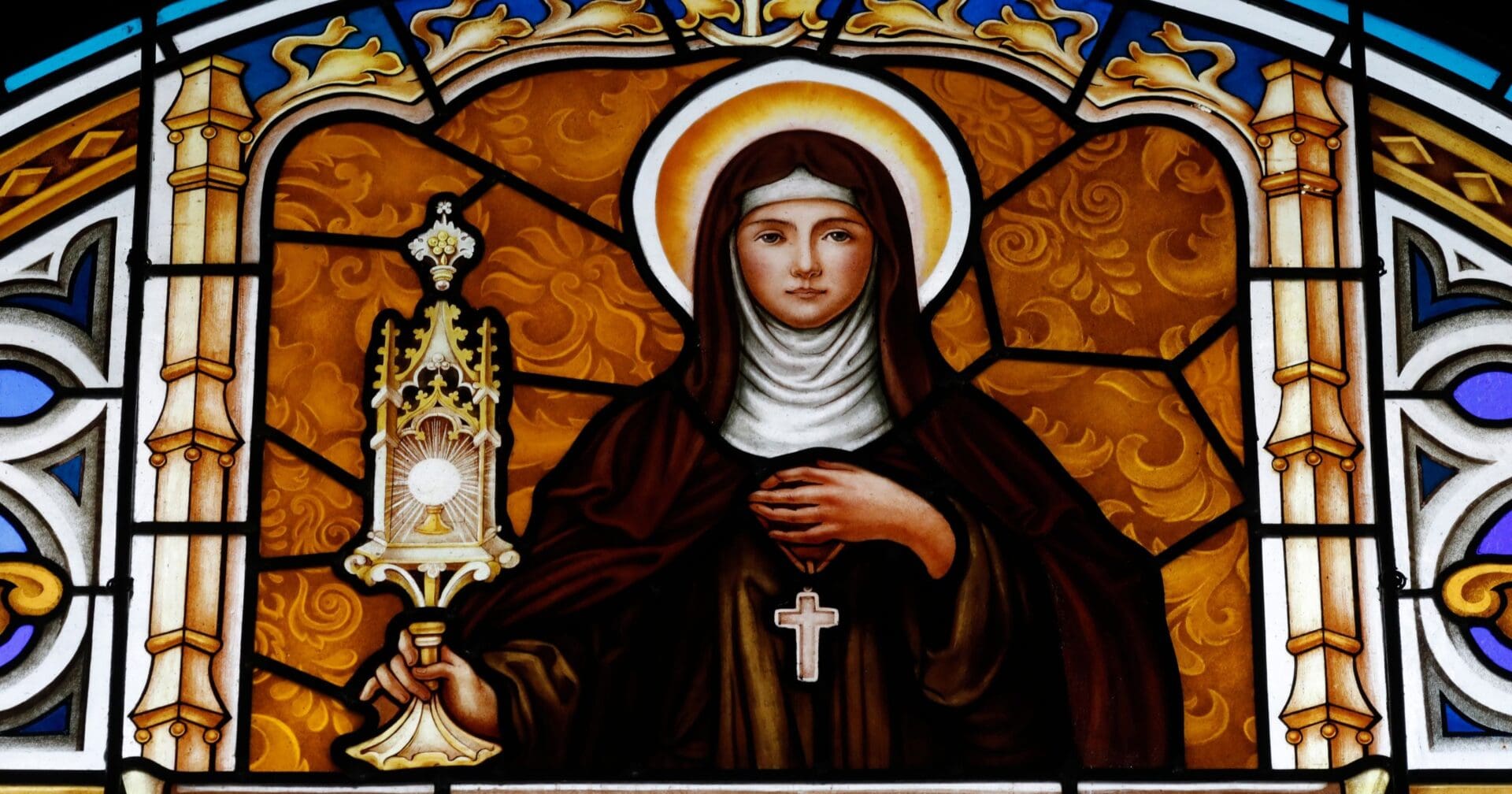
Saint Claude de la Colombiere, SJ, was a pivotal figure in the promotion of the Sacred Heart of Jesus devotion, acting as the spiritual confidant to St. Margaret Mary Alacoque. Born into a noble French family in 1641, Claude enjoyed a joyful childhood, enriched by close bonds with family and friends, alongside an engaging social life. At the age of 17, he embarked on a spiritual journey by joining the Jesuit novitiate, diving into a rigorous regimen of study, teaching, and eventually, ordination. His early years as a Jesuit saw him imparting knowledge at the Jesuit college in Lyons, delivering sermons, and leading Marian congregations.

Fifteen years into his Jesuit ministry, in 1674, Colombiere committed himself through a personal vow to meticulously follow the Rule and Constitutions of the Society of Jesus. This commitment deepened his spiritual life, offering him a sense of inner freedom and enhancing his capacity to connect with others in his pastoral work.

Claude’s life took a significant turn in 1675 when he was appointed rector of the Jesuit college in Paray-le-Monial, France. It was here that he met Sr. Margaret Mary Alacoque, who was experiencing divine revelations of Jesus Christ’s compassionate heart. Despite her anxieties and doubts about her visions, Colombiere provided her with reassurance and guidance, validating the authenticity of her mystical experiences. He encouraged Sr. Margaret Mary to document her revelations, committing himself to advancing the devotion to the Sacred Heart of Jesus.

In 1676, Colombiere’s journey led him to London as the appointed preacher to the Duchess of York, who would later become the Queen of England. During his time in London, he endeavored to bring former Catholics back to the faith. However, his mission was disrupted in 1678 when he became entangled in the false accusations of the Titus Oates plot, which alleged a Jesuit conspiracy to assassinate Charles II. Despite deteriorating health, Colombiere faced imprisonment and later exile back to France, where he passed away in 1682 in Paray-le-Monial.

Pope John Paul II canonized Claude de la Colombiere in 1992, honoring his instrumental role in fostering the devotion to the Sacred Heart of Jesus and his steadfast spiritual guidance to St. Margaret Mary Alacoque.

Photo credit: Octave 444 via Wikimedia Commons

Love uCATHOLIC?
Get our inspiring content delivered to your inbox every morning – FREE!

The post Saint Claude de la Colombière appeared first on uCatholic.

Daily Reading


Daily Meditation


Saint Valentine was a devout priest in Rome, who, alongside St. Marius and his family, offered support to martyrs during the persecution by Claudius II. His acts of marrying Christian couples and providing aid to Christians, at a time when such assistance was deemed illegal under Emperor Claudius, led to his arrest and imprisonment.

Defiant in his faith, Valentine faced brutal punishment; he was beaten with clubs and ultimately beheaded on February 14, around the year 270.

Among the tales surrounding his martyrdom, one recounts how Valentine miraculously restored the sight of his jailer’s blind daughter while awaiting execution. Another tale tells of a heartfelt farewell note he wrote to the jailer’s daughter on the eve of his death, signing it “From your Valentine,” a phrase that has transcended time.

In an effort to counteract the pagan practice where boys would draw girls’ names in honor of the goddess Februata Juno on February 15, fervent clergy replaced this tradition with the distribution of saints’ names on billets during this day.

Saint Valentine is revered as the patron saint of betrothed couples, beekeepers, engaged couples, those suffering from epilepsy and fainting, as well as a symbol of greetings, joyful marriages, love, lovers, protection against the plague, travelers, and youth. He is often depicted in art with birds and roses, symbolizing the love and affection that his legacy continues to inspire.

Photo credit: Public Domain via Wikimedia Commons

Love uCATHOLIC?
Get our inspiring content delivered to your inbox every morning – FREE!

The post Saint Valentine appeared first on uCatholic.

Daily Reading


Daily Meditation


Saint Agabus the Prophet, one of the seventy disciples, and martyr. The seventy disciples were chosen by the Lord to go before Him to preach the gospel. St. Agabus was with the twelve disciples in the upper room on the day of Pentecost, and he was filled with the Holy Spirit, the Comforter.

He received the gift of prophecy, as the Acts of the Apostles tells us, “And as we stayed many days, a certain prophet named Agabus came down from Judea. When he had come to us, he took Paul’s belt, bound his own hands and feet, and said, ‘Thus says the Holy Spirit, so shall the Jews at Jerusalem bind the man who owns this belt, and deliver him into the hands of the Gentiles.’” (Acts 21:10-11) This prophecy was fulfilled. (Acts 21:17-36)

He also prophesied about a famine on all the earth, and this was fulfilled during the time of Claudius Caesar, the Roman Emperor. (Acts 11:27-28) He preached the gospel together with the holy apostles. He went to many countries, teaching and converting many of the Jews and the Greeks to the knowledge of the Lord Christ. He sanctified them by the life-giving baptism.

This moved the Jews of Jerusalem to arrest him, and they tortured him by beating him severely, and putting a rope around his neck, and they dragged him outside the city. They stoned him there until he gave up his pure spirit. At this moment, a light came down from heaven. Everyone saw it as a continuous column between his body and heaven. A Jewish woman saw it and said, “Truly this man was righteous.” She shouted in a loud voice, “I am a Christian and I believe in the God of this saint.” They stoned her also and she died and was buried with him in one tomb.

Photo credit: Public Domain via Wikimedia Commons

Love uCATHOLIC?
Get our inspiring content delivered to your inbox every morning – FREE!

The post Saint Agabus the Prophet appeared first on uCatholic.

Daily Reading


Daily Meditation


In the Middle Ages, a widely circulated devout tale recounts the story of Saint Julian, a man of noble descent who encountered a prophetic hart while hunting. The hart, a target of his hunt, foretold a grim future for Julian, stating that he would ultimately cause the death of his own parents.

Julian’s valor and service to a king earned him great favor, leading to his marriage with a widow. During a period when Julian was away, his parents visited his castle in search of him. Recognizing them, his wife graciously offered them Julian’s bedroom for their stay. However, upon Julian’s unexpected return that night and discovering two figures in his bed, he leaped to a tragic conclusion. Believing he had been betrayed, he killed them both, only to later learn from his wife, who had been at church, the true identity of the victims. The realization that he had fulfilled the hart’s prophecy and slain his own parents plunged Julian into a deep well of remorse.

Seeking redemption, Julian abandoned his castle, determined to atone for his sins. His wife, supporting him in his quest for forgiveness, joined him in this new chapter of their lives. Together, they established an inn beside a vast river and a hospital to serve the poor and travelers, dedicating their lives to the service of others.

Julian’s path to redemption reached its culmination when he offered shelter to a leper, sharing his own bed with the sick man. This act of mercy proved to be a divine test, as the leper revealed himself to be an angel sent by God. Through this act of kindness and selflessness, Julian was forgiven for his grievous act.

Saint Julian’s story, marked by tragedy, penance, and ultimately forgiveness, made him the patron saint of hotel keepers, travelers, and boatmen. His feast day is celebrated on February 12th.

Editorial credit: Zvonimir Atletic / Shutterstock.com

Love uCATHOLIC?
Get our inspiring content delivered to your inbox every morning – FREE!

The post Saint Julian appeared first on uCatholic.

Daily Reading


Daily Meditation


On December 8, 1854, Pope Pius IX declared the Immaculate Conception a dogma through the apostolic constitution Ineffabilis Deus. This proclamation was followed, a little over three years later, by a remarkable event. On February 11, 1858, Bernadette Soubirous, a young girl of modest means and fragile health, reported seeing visions of a lady. This series of apparitions culminated on March 25, when the lady identified herself as “I am the Immaculate Conception.”

Bernadette, the daughter of impoverished parents with a tepid engagement in their Catholic faith, was familiar only with basic prayers like the Our Father, the Hail Mary, the Creed, and the prayer of the Miraculous Medal. When describing her visions, she spoke of encountering “aquero,” a term from her dialect meaning “this thing,” which appeared to her as a young girl clad in white, with a blue girdle, a white veil, and a rosary draped over her arm. The vision was distinguished by the presence of yellow roses at her feet and the respectful use of the formal “vous” in address, a sign of dignity from the vision to the young Bernadette.

This event not only transformed Bernadette’s life but also had a profound impact on the Catholic faith globally. Lourdes, the site of the apparitions, soon became a beacon for pilgrims from France and beyond, seeking healing and spiritual renewal. In 1862, the Church formally recognized the apparitions, allowing for the veneration of Our Lady of Lourdes, which was extended worldwide by 1907.

Lourdes is now synonymous with faith, healing, and pilgrimage. The Church has officially acknowledged over 60 miracles at Lourdes, attributing them to the intercession of Mary, though the true number may be higher. For believers, these miracles are a continuation of the healing works of Jesus, manifesting through His mother. The stories of physical and spiritual transformation among visitors to Lourdes are numerous, often leading to a deepened faith and a commitment to service.

Photo credit: THOMAS KURIAN / Shutterstock.com

Love uCATHOLIC?
Get our inspiring content delivered to your inbox every morning – FREE!

The post The Feast of Our Lady of Lourdes appeared first on uCatholic.

Daily Reading


Daily Meditation


Saint Scholastica, born around 480 and passing in 543, devoted her life to divine service from a young age. Following her brother, St. Benedict, to Monte Cassino, where he established a renowned monastery, Scholastica settled nearby at Plombariola. There, she founded and led a convent for nuns, located roughly five miles from her brother’s monastery. St. Benedict played a role in guiding his sister and her convent as well.

The siblings maintained a tradition of annual visits. Since St. Scholastica couldn’t enter the monks’ monastery, St. Benedict, accompanied by some monks, would meet her at a designated location some distance from both monasteries. These visits were cherished times of spiritual discussion and prayer.

During one memorable visit, after a day filled with prayer and devout conversations, Scholastica requested her brother stay over till the next morning. St. Benedict declined, citing the rule against spending the night outside the monastery. Scholastica turned to prayer, and suddenly a severe thunderstorm erupted, making it impossible for Benedict and his monks to leave. The storm ensured they spent the night in continued spiritual discourse. They parted the following morning, never to see each other again on earth.

Three days after this event, St. Scholastica passed away. St. Benedict reportedly saw his sister’s soul ascend to heaven in a vision. He then arranged for her body to be brought to his monastery and buried in a tomb he had reserved for himself. St. Scholastica’s death occurred around 543, with St. Benedict passing shortly after. Her legacy is celebrated annually on February 10th, marking her feast day and commemorating her life of spiritual dedication and the profound bond shared with her brother.

Photo credit: Public Domain via Wikimedia Commons

Love uCATHOLIC?
Get our inspiring content delivered to your inbox every morning – FREE!

The post Saint Scholastica appeared first on uCatholic.

Daily Reading


Daily Meditation


Saint Maroun, born around 345 and passing in 410, hailed from the ancient Cyrrhus region, near present-day southern Turkey and close to Aleppo, Syria. He chose a life of asceticism atop a hill, where he transformed a temple dedicated to the Babylonian deity Nabo into a Christian sanctuary. Maroun’s commitment to spiritual discipline led him to endure the harsh climatic conditions of his remote dwelling, embracing both scorching summers and freezing winters to deepen his focus on spiritual growth, forsaking bodily comforts.

The Christian legacy in Maroun’s area traces its origins to Saint Peter, who founded a church in Antioch around 35-55 A.D. and visited multiple times before his martyrdom in Rome circa 67 A.D.

Saint Theodoret of Cyrrhus (393-457), a respected writer and bishop, chronicled Maroun’s life in his “Historia Religiosa.” Theodoret lauded Maroun for his healing abilities and spiritual discipline, highlighting Maroun’s choice to live in solitude on a hill previously revered by pagans, dedicating it to Christian worship. Maroun’s ascetic practices, combined with his prayer, brought him renown for miraculous healings, ranging from fevers and shivers to demonic afflictions and various maladies, showcasing his prayer as a universal cure.

Saint Maroun’s reputation as a healer, especially of conditions causing tremors like Parkinson’s disease, is documented in Theodoret’s accounts. Moreover, Saint John Chrysostom (347-407), a prominent theologian, expressed deep admiration and affection for Maroun in his correspondence, underscoring the challenges of their communication due to the perilous journeys between them.

Maroun’s influence led to the formation of the Maronite community, named after him. Following his death, the Beth-Maroun monastery was established near his tomb around 452, becoming a spiritual and communal hub for Maronites, especially during times of persecution and conflict. The Maronite movement expanded to Lebanon early on, with Maroun’s disciple Abraham of Cyrrhus playing a pivotal role in spreading the faith, earning him the title “Apostle of Lebanon.” Today, the Maronite community, numbering over 4 million globally, celebrates a unique liturgical tradition, including the use of the St. Chrysostom rite adapted for Maronite worship.

The Maronite faith is symbolized by a distinctive cross with three bars, representing the Holy Trinity, and drawing inspiration from the Cedars of Lebanon, a significant element in both the physical landscape of Lebanon and Maronite spirituality. The cross’s design echoes the majestic cedars, highlighting the community’s deep connection to their land and faith.

Maroun’s legacy also inspired a monastic tradition within the Maronite Church, formally organized in 1695 and later divided into two orders in 1770: the Lebanese Maronite Order and the Lebanese Mariamite Order. These monastic communities continue to embody Maroun’s ascetic values through vows of poverty, chastity, obedience, and humility.

Saint Maroun’s feast day is on February 9, celebrating his enduring legacy, not only within the Maronite Church but also as a national day in Lebanon, honoring a figure whose life and teachings continue to inspire faith and devotion across the world.

Photo credit: Public Domain via Wikimedia Commons

Love uCATHOLIC?
Get our inspiring content delivered to your inbox every morning – FREE!

The post Saint Maroun appeared first on uCatholic.

Daily Reading


Daily Meditation


Saint Josephine Bakhita’s journey from a life of profound suffering to sainthood is a remarkable testament to resilience and faith.

Born into a wealthy Sudanese family in 1869, her childhood was abruptly shattered at the age of 7 when she was kidnapped by slave traders. Subjected to severe humiliation and physical abuse, she was sold multiple times in the slave markets of El Obeid and Khartoum. The name “Bakhita,” meaning “the lucky one,” was cruelly bestowed upon her by her captors, a name that held a painful irony during her years in bondage.

Bakhita’s life took a pivotal turn when she was purchased by an Italian consul in the capital of Sudan. Unlike her previous masters, he treated her with kindness. When he and his friend, Mr. Augusto Michieli, returned to Italy, Bakhita accompanied them. In Italy, she found a new role as a nanny and companion to the Michielis’ daughter, Mimmina, experiencing a semblance of family life.

Her path to spiritual awakening began when the Michielis left for business in Suakin, entrusting Mimmina and Bakhita to the Canossian Sisters in Venice. It was here that Bakhita encountered the Christian faith, recognizing a God she felt she had always known in her heart. At 21, she was baptized, taking the name Josephine, and declared herself a daughter of God, marking the start of her new life in Christ.

Choosing to stay with the sisters over returning to the Michielis, Josephine joined the Institute of Saint Magdalene of Canossa in 1896, dedicating her life to God. For 50 years, she served in the community of Schio, performing various tasks and ministering to the poor with her characteristic gentleness and humility. Despite suffering from a painful illness in her later years, Josephine’s faith remained unwavering, always responding to inquiries about her wellbeing with, “As the Master desires.”

Josephine’s final days were marked by a revisitation of her traumatic past, yet she found solace in her faith, passing away on February 8th, 1947, with a serene smile and invoking the Virgin Mary. Her life story, celebrated by Pope John Paul II at her canonization, serves as a powerful call to action against the oppression and violence faced by women and girls, embodying the spirit of true emancipation and the dignity of every human being.

Photo credit: Lawrence OP via Flickr

Love uCATHOLIC?
Get our inspiring content delivered to your inbox every morning – FREE!

The post Saint Josephine Bakhita appeared first on uCatholic.

Daily Reading


Daily Meditation