

As adults, we are certain that we know the world around us, and have spent enough time on Earth to believe that we understand the world and how it works. When there is something new to learn, we go about it practically. We read articles and books. We take classes and ask those who already have the knowledge we are seeking. We dutifully move forward in knowledge.
On the contrary, a child who is just beginning to learn might get upset. They might enjoy learning the alphabet but struggle with reading and throw the book down, upset that they can’t pronounce the words. They might enjoy learning to count, but cry over a math problem that they just can’t comprehend. They haven’t been in school long enough to understand that if they stick with it and move forward little by little, they will learn in time.
The apostles were adults, knowing their lives, understanding the world around them as it always had been, until Jesus turned their world upside-down. Confused after watching Jesus feed 5,000 men with only five loaves and two fishes, Jesus sends his disciples out in the boat to meet him on the other side, near Bethsaida. They were rowing against the wind, and the waves tossed them about. As they struggled physically, their minds struggled with the miracle they had just witnessed. The world they knew was disappearing, and they pushed ahead with uncertainty.
Then Jesus appeared, walking past them on the water as they struggled in the boat. As adults, they thought they understood Jesus, but they reacted like terrified children, crying out, unable to comprehend the reality before them. When Jesus entered the boat, the winds died down. They should have been comforted, but unlike adults willing to learn, they reacted like children and hardened their hearts.
Today is the Feast of St. Raymond of Penyafort, who became a Dominican friar in 1222. Born of a noble and wealthy family, Raymond was well educated and taught in seminary. Pope Gregory IX tasked him to put together a millennium of papal texts in a comprehensive order, so he spent years organizing all the texts while he continued his ministry in relative comfort until his retirement. But he was pulled out of retirement to lead his order and ended up traveling from one Dominican house to another until he found himself exhausted at the age of seventy. He didn’t react to his second career as a child, crying out to God asking why he had to work so hard. He embraced the work as an adult, filled with faith and surrender.
May we follow the example of St. Raymond and trust in the works of God that we see all around us, learning how to become better followers each and every day.
Como adultos, estamos seguros de conocer el mundo que nos rodea y hemos pasado suficiente tiempo en la Tierra como para creer que lo entendemos y cómo funciona. Cuando hay algo nuevo que aprender, lo hacemos de forma práctica. Leemos artículos y libros. Tomamos clases y preguntamos a quienes ya poseen el conocimiento que buscamos. Avanzamos en el conocimiento con constancia.
Por el contrario, un niño que apenas empieza a aprender podría molestarse. Puede que disfrute aprendiendo el alfabeto, pero tenga dificultades para leer y tire el libro, molesto por no poder pronunciar las palabras. Puede que disfrute aprendiendo a contar, pero llore por un problema de matemáticas que simplemente no comprende. No han estado en la escuela lo suficiente como para comprender que si perseveran y avanzan poco a poco, aprenderán con el tiempo.
Los apóstoles eran adultos, conocían sus vidas y entendían el mundo que los rodeaba como siempre había sido, hasta que Jesús les puso el mundo patas arriba. Confundidos tras ver a Jesús alimentar a 5.000 hombres con solo cinco panes y dos peces, Jesús envía a sus discípulos en la barca a encontrarlo en la otra orilla, cerca de Betsaida. Remaban contra el viento, y las olas los zarandeaban. Mientras luchaban físicamente, sus mentes luchaban con el milagro que acababan de presenciar. El mundo que conocían estaba desapareciendo, y seguían adelante con incertidumbre.
Entonces Jesús apareció, caminando junto a ellos sobre el agua mientras forcejeaban en la barca. De adultos, creían comprender a Jesús, pero reaccionaron como niños aterrorizados, gritando, incapaces de comprender la realidad que tenían ante sí. Cuando Jesús subió a la barca, el viento se tranquilizó. Deberían haber sido consolados, pero a diferencia de los adultos dispuestos a aprender, reaccionaron como niños y endurecieron sus corazones.
Hoy es la fiesta de San Raimundo de Peñafort, quien se convirtió en fraile dominico en 1222. Nacido en una familia noble y adinerada, Raimundo recibió una buena educación y enseñó en el seminario. El papa Gregorio IX le encargó recopilar un milenio de textos papales en un orden completo, por lo que dedicó años a organizarlos mientras continuaba su ministerio con relativa comodidad hasta retirarse. Sin embargo, fue llamado a salir de su retiro para dirigir la orden y terminó viajando de una casa dominicana a otra hasta que se sintió exhausto a los setenta años. No reaccionó como un niño a su segunda carrera, clamando a Dios y preguntándole por qué tenía que trabajar tan duro. Abrazó el trabajo como adulto, lleno de fe y entrega.
Que sigamos el ejemplo de San Raimundo y confiemos en las obras de Dios que vemos a nuestro alrededor, aprendiendo a ser mejores seguidores día tras día.
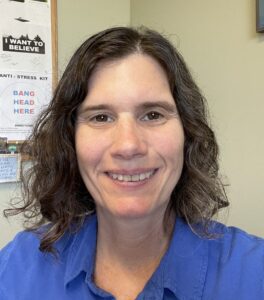 Anita Renaghan is the author of several books including literary fiction, science fiction, and a young adult trilogy. She loves a good character study and has been many characters herself including: an aircraft mechanic in the Air Force, a college graduate, a second degree blackbelt, lost, a waitress and bartender, a wife and mother, an account executive, found, and a constantly inventive singer-songwriter. Anita is interested in sharing her faith with others through her writings and story characters. Her website is anitarenaghan.com
Feature Image Credit: Pixabay, www.pexels.com/photo/umbrella-against-sky-247487/
The views and opinions expressed in the Inspiration Daily blog are solely those of the original authors and contributors. These views and opinions do not necessarily represent those of Diocesan, the Diocesan staff, or other contributors to this blog.
The post Educated in Faith / Educados en la fe appeared first on Diocesan.
Daily Reading

Thursday after Epiphany
Reading I 1 John 4:19–5:4 Beloved, we love God becausehe first loved us. If anyone says, “I love God,”but hates his brother, he is a liar;for whoever does not love a…
Saint of the Day
St. Apollinaris
St. Apollinaris Feast date: Jan 08 St. Apollinaris was one of the first great martyrs of the church. He was made Bishop of Ravenna by St. Peter. The miracles he