
Why is it so hard for us to speak about our Lord? He has given up everything for us. Despite the many miracles and abundant proof that we have, we can be avoidant, passive and lukewarm. I have often told myself that, had I lived in Biblical times, it would be so much easier for me to believe. Having face to face contact with Jesus, with Him right in front of me, how could I deny Him? But even Peter, the future head of the Church struggled, so why do I really think I would be different?
So I ask myself, what can I do to spread the Good News? Where do I begin? I have recently joined “the enemy” of AI to try and use it for good, mainly by using it to further my faith. When typing in terms such as “lukewarm” and “2025 Catholics”, I found some disheartening facts. For example, only about three in ten U.S. Catholics say they attend Mass weekly, the number of Americans who were raised Catholic but no longer identify as such (43%) far exceeds the number of adult converts (1.5% of U.S. adults), and almost half of U.S. Catholics (47%) report never going to confession.
While reading the above statistics was disheartening, I also came across a glimmer of hope. Despite the overall decline, recent 2025 data from sources like the Pew Research Center and Leadership Roundtable point to several positive or shifting trends. For example, young adults (ages 18-29) are now reported as the most engaged demographic in parish activities, attending Mass and other events at higher rates than older age groups. Additionally, recent data suggests that more people may be entering the Catholic Church rather than leaving it, indicating a potential “significant turning point” for American Catholicism.
There is an iconic moment in the recent television series The Chosen, where Jesus touches the head of Mary Magdalene. His healing power appears physically and viscerally. If we choose not to participate in the sacraments, we are missing out on the visible, tangible gifts Christ has given us. We are missing out on the grace He wants to give us in order to better spread His love to the world.
Lord, I ask that you fill us with the same level of excitement and amazement that your disciples had when You walked the Earth. Help us to feel you and share your joy with others.
¿Por qué nos resulta tan difícil hablar de nuestro Señor? Él lo ha dado todo por nosotros. A pesar de los muchos milagros y las abundantes pruebas que tenemos, podemos ser evasivos, pasivos y tibios. A menudo me he dicho a mí mismo que, si hubiera vivido en tiempos bíblicos, me habría resultado mucho más fácil creer. Teniendo contacto cara a cara con Jesús, con Él justo delante de mí, ¿cómo podría negarlo? Pero incluso Pedro, el futuro jefe de la Iglesia, tuvo dificultades, así que ¿por qué creo que yo sería diferente?
Así que me pregunto: ¿qué puedo hacer para difundir la Buena Nueva? ¿Por dónde empiezo? Recientemente me he unido al “enemigo” de la IA para intentar usarla para el bien, principalmente para fortalecer mi fe. Al buscar términos como “tibio” y “católicos de 2025”, encontré algunos datos desalentadores. Por ejemplo, sólo alrededor de tres de cada diez católicos estadounidenses dicen que asisten a misa semanalmente, el número de estadounidenses que fueron criados como católicos pero que ya no se identifican como tales (43%) supera con creces el número de conversos adultos (1,5% de los adultos estadounidenses), y casi la mitad de los católicos estadounidenses (47%) informan que nunca se confiesan.
Si bien leer estas estadísticas fue desalentador, también encontré un rayo de esperanza. A pesar del declive general, los datos recientes de 2025 de fuentes como el Pew Research Center y Leadership Roundtable apuntan a varias tendencias positivas o cambiantes. Por ejemplo, los adultos jóvenes (de 18 a 29 años) son ahora el grupo demográfico más comprometido con las actividades parroquiales, asistiendo a misa y otros eventos con mayor frecuencia que los grupos de mayor edad. Además, los datos recientes sugieren que más personas podrían estar ingresando a la Iglesia Católica en lugar de abandonarla, lo que indica un posible “punto de inflexión significativo” para el catolicismo estadounidense.
Hay un momento icónico en la reciente serie de televisión The Chosen, donde Jesús toca la cabeza de María Magdalena. Su poder sanador se manifiesta física y visceralmente. Si elegimos no participar en los sacramentos, nos estamos perdiendo los dones visibles y tangibles que Cristo nos ha dado. Nos estamos perdiendo la gracia que Él quiere darnos para difundir mejor su amor al mundo.
Señor, te pido que nos llenes del mismo entusiasmo y asombro que sintieron tus discípulos cuando caminaste sobre la Tierra. Ayúdanos a sentir tu presencia y a compartir tu alegría con los demás.
 Dr. Alexis Dallara-Marsh is a board-certified neurologist who practices in Bergen County, NJ. She is a wife to her best friend, Akeem, and a mother of four little ones on Earth and two others in heaven above.
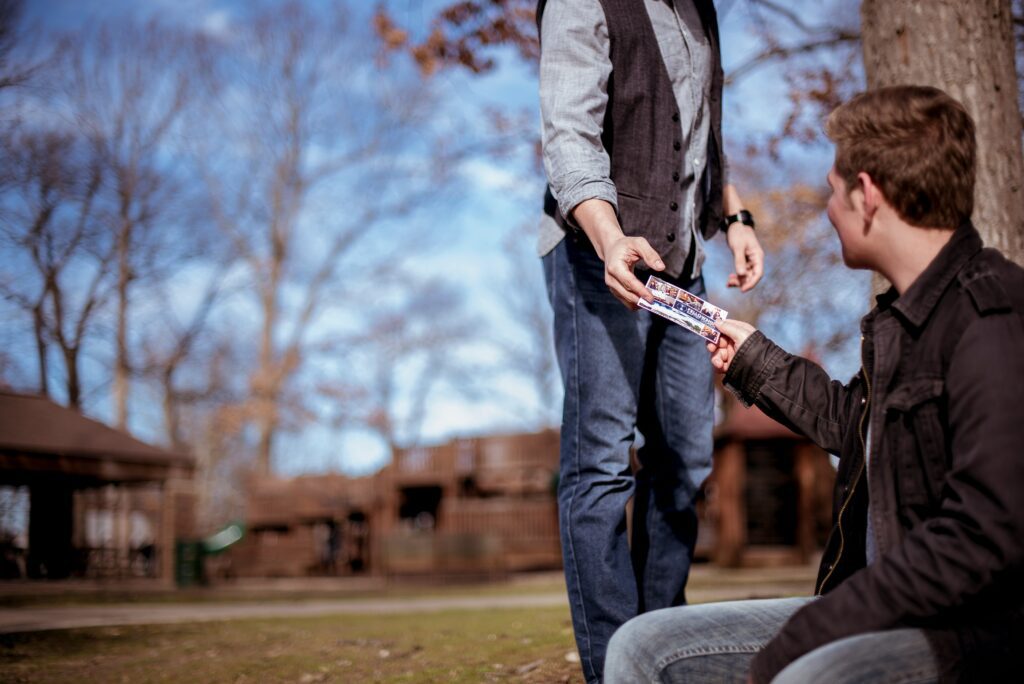
Feature Image Credit: Ben White, unsplash.com/photos/person-giving-something-to-man-ejpzqDLBFiA
The views and opinions expressed in the Inspiration Daily blog are solely those of the original authors and contributors. These views and opinions do not necessarily represent those of Diocesan, the Diocesan staff, or other contributors to this blog.
Daily Reading

Saturday in the Octave of Easter
Reading 1 Acts 4:13-21 Observing the boldness of Peter and John and perceiving them to be uneducated, ordinary men, the leaders, elders, and scribes were amazed, and they recognized them…
Saint of the Day
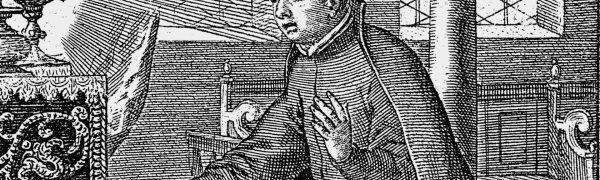
Saint Stanislaus
Saint Stanislaus (1030 – 1079) was Bishop of Kraków. He was martyred by Polish King Bolesław II the Bold. He is one of the patrons of Poland. The post Saint