

God has given us the gift of free will. In the first reading today Moses is explaining, very clearly, the choices the people of Israel have and the outcomes of those choices. Walk with God by obeying His commandments and you will live, have descendants, and land. Turn away from God, and you will “certainly perish.” Moses asks them to choose life, choose the blessing, love God, hold onto Him and obey Him. And, for a time, the people do choose God’s way and life is good. And then, they fall away because it is hard to resist the other choices the world offers.
We are just beginning Lent, our opportunity to make choices that will lead us toward God, repentance, purification, and a life of blessing. It may not seem like the small sacrifices we offer up in this season make a difference. But they do. They ask us to be more conscious and disciplined in our faith life. These small mortifications can be the way we pick up our cross and follow Jesus.
What are our Lenten crosses? Maybe we decided not to put cream or sugar in our coffee or tea. Maybe we stop snacking between meals or get up 15 minutes early to pray. Maybe we read Scripture before we watch TV or pray the rosary with our family. There are so many possible Lenten penances that we can take up, so many choices.
Then there are the crosses we are asked to take up: caring for our elderly parents, spouse, or friend in need. Do we feel they have been thrust on us without our agreement, but are still our responsibility? Even those crosses are choices we make as we decide how to handle them.
The one thing we can always choose is our attitude in any given circumstance. In the book, Man’s Search for Meaning, Viktor E. Frankl says, “Everything can be taken from a man but one thing: the last of the human freedoms—to choose one’s attitude in any given set of circumstances, to choose one’s own way.”
As we begin Lent with our various penances and crosses, both those we have chosen and those we have been given, let’s think about the attitude we have toward these penances and crosses. Let our will, enriched by God’s grace, lead us closer and closer to Jesus and His suffering. If we can model our attitude after that of Jesus, who suffered and died for us, our Lent will be less about our suffering and more about offering our suffering up for others.
Dios nos ha dado el don del libre albedrío. En la primera lectura de hoy, Moisés explica con mucha claridad las opciones que tiene el pueblo de Israel y las consecuencias de esas decisiones. Camina con Dios obedeciendo sus mandamientos y vivirás, tendrás descendencia y tierra. Aléjate de Dios y “perecerás sin remedio”. Moisés les pide que elijan la vida, elijan la bendición, amen a Dios, se aferren a Él y le obedezcan. Y, por un tiempo, el pueblo elige el camino de Dios y la vida es buena. Pero luego, se alejan porque es difícil resistir las otras opciones que ofrece el mundo.
Apenas estamos comenzando la Cuaresma, la cual nos da la oportunidad de tomar decisiones que nos llevarán hacia Dios, el arrepentimiento, la purificación y una vida de bendición. Puede parecer que los pequeños sacrificios que ofrecemos en este tiempo no hagan ninguna diferencia. Pero no es cierto. Nos piden ser más conscientes y disciplinados en nuestra vida de fe. Estas pequeñas mortificaciones pueden ser la manera de tomar nuestra cruz y seguir a Jesús.
¿Cuáles son nuestras cruces de Cuaresma? Quizás decidimos no ponerle crema ni azúcar al café o al té. Quizás dejamos de merendar entre comidas o nos levantamos 15 minutos antes para rezar. Quizás leemos las Escrituras antes de ver la televisión o rezamos el rosario en familia. Hay tantas penitencias cuaresmales que podemos adoptar, tantas opciones.
Luego vienen las cruces que no hemos elegido pero se nos pide tomar: cuidar de nuestros padres ancianos, de nuestro esposo o de un amigo necesitado. ¿Sentimos que nos las han impuesto sin nuestro consentimiento, pero que siguen siendo nuestra responsabilidad? Incluso esas cruces son decisiones que tomamos al decidir cómo manejarlas.
Lo único que siempre podemos elegir es nuestra actitud en cualquier circunstancia. En el libro Man’s Search for Meaning (El hombre en busca de sentido), Viktor E. Frankl dice: “Todo se le puede quitar del hombre, menos una cosa: la última de las libertades humanas: elegir la propia actitud en cualquier circunstancia, elegir su propio camino”.
Al comenzar la Cuaresma con nuestras diversas penitencias y cruces, tanto las que hemos elegido como las que se nos han dado, reflexionemos sobre nuestra actitud hacia ellas. Dejemos que nuestra voluntad, enriquecida por la gracia de Dios, nos acerque cada vez más a Jesús y a su sufrimiento. Si podemos imitar la actitud de Jesús, quien sufrió y murió por nosotros, nuestra Cuaresma se centrará menos en nuestro sufrimiento y más en ofrecerlo por los demás.
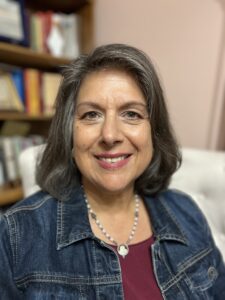 Deanna G. Bartalini, M.Ed., M.P.A. is a certified spiritual director, retreat leader, speaker, and writer with decades of experience serving the Church. She is the founder of LiveNotLukewarm.com, works on the retreat team at Our Lady of Florida Passionist Spiritual Center, and is an Unbound prayer minister. She has served as a religious education director, youth minister, liturgical coordinator, and stewardship director. She writes for SpiritualDirection.com, CatholicMom.com, new.diocesan.com/, and Women in the New Evangelization (WINE). Deanna is the author of The Stay Connected Journals for Catholic Women, Invite the Holy Spirit into your Life, and has contributed to the Catholic Mom’s Prayer Companion, as well as Digital Ministry and Leadership in Today’s Church.
Feature Image Credit: Marcus Urbenz, unsplash.com/photos/an-aerial-view-of-a-wooden-walkway-in-the-woods-gYgDcCYob_s
The views and opinions expressed in the Inspiration Daily blog are solely those of the original authors and contributors. These views and opinions do not necessarily represent those of Diocesan, the Diocesan staff, or other contributors to this blog.
Daily Reading

Friday (February 20): Fasting for the kingdom of God
Scripture: Matthew 9:14-15 14 Then the disciples of John came to him, saying, “Why do we and the Pharisees fast, but your disciples do not fast?” 15 And Jesus said…
Saint of the Day
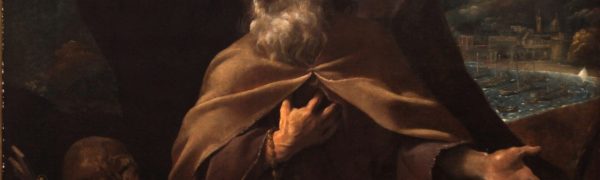
Saint Conrad of Piacenza
Saint Conrad of Piacenza (1290-1350), a noble turned hermit in Sicily, devoted 36 years to prayer and penance, died kneeling before a crucifix, canonized in 1625. The post Saint Conrad