
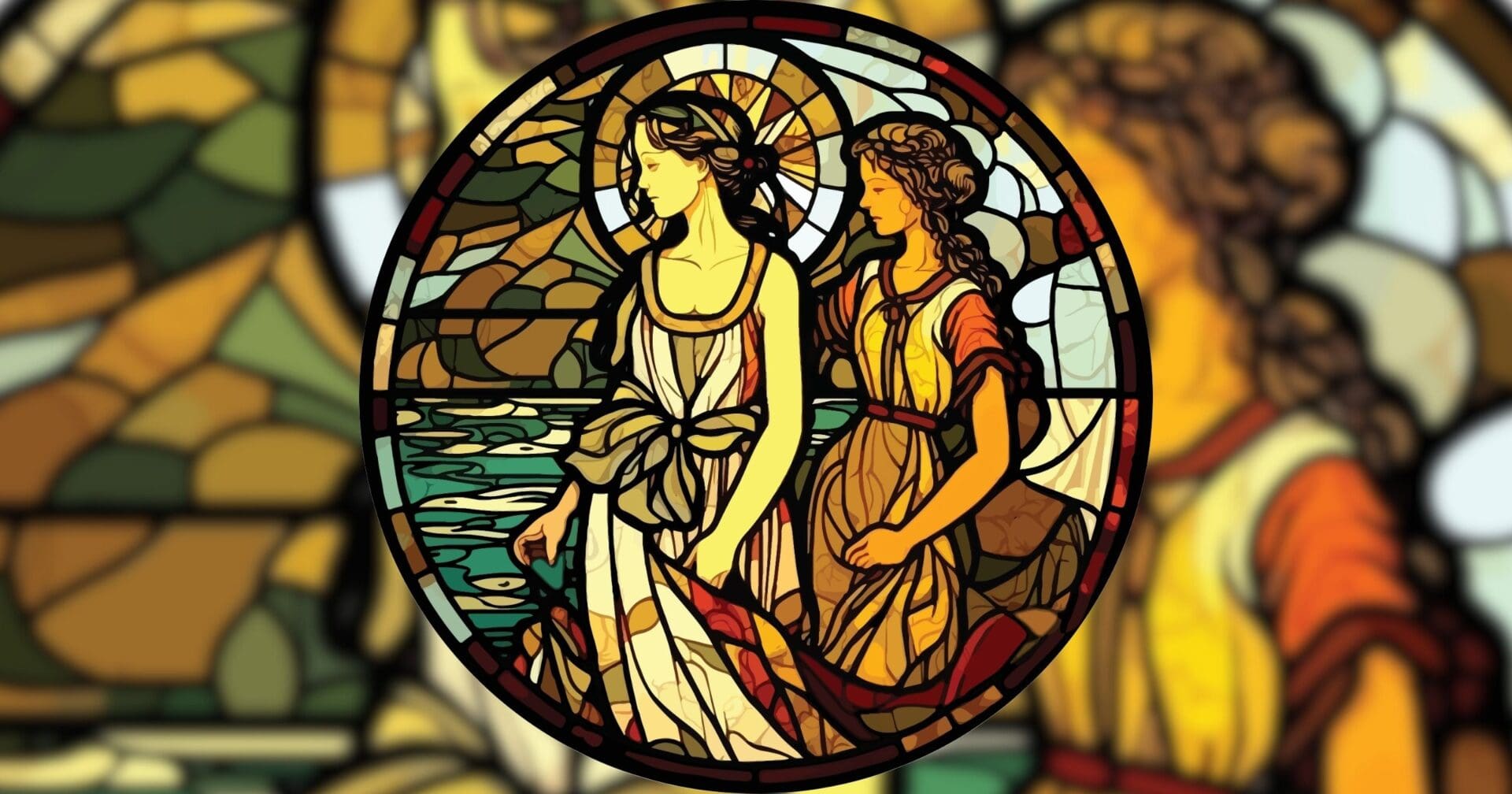
Saint Hunna, known as “The Holy Washerwoman”, was born into aristocracy in Alsace, the daughter of a duke. She married Huno of Hunnaweyer, a nobleman, settling in the Strasbourg diocese. They had one son, Saint Deodatus, who later chose monastic life.
Despite her noble status, Saint Hunna sought a more fulfilling path through service to others, stirred by her deep faith and prayer. Recognizing the harsh conditions of the local peasants, she decided to help by doing their laundry, which marked the beginning of her life’s work and earned her her enduring nickname.
Her commitment grew to include a range of services—from cooking and childcare to teaching hygiene and providing new clothes when the old ones were beyond repair. Saint Hunna’s most compassionate service involved bathing those who could not do so themselves.
She was canonized in 1520 by Pope Leo X and her feast is April 15.
Photo credit: HappySloth / Shutterstock.com
The post Saint Hunna appeared first on uCatholic.
Daily Reading

Saturday of the Twenty-ninth Week in Ordinary Time
Reading 1 Ephesians 4:7-16 Brothers and sisters:Grace was given to each of usaccording to the measure of Christ’s gift.Therefore, it says: He ascended on high and took prisoners captive;he gave…
Daily Meditation
A Patient God
Listen to this reflection in EnglishEscuchar esta reflexión en español Click here for daily readings I’m glad God is so patient. He puts up with a lot from the Old…